
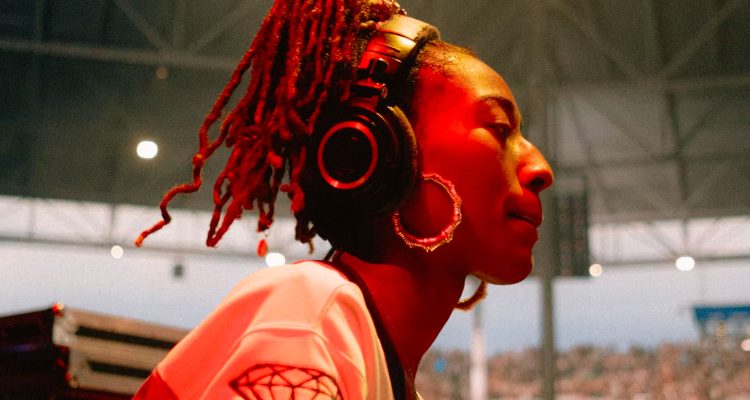
Alice Gilliam, better known as DJ GEMINI GILLY, sees DJing as more than getting people to dance. Blending her background in social work with her love for music, she creates events that emphasize community and center Blackness.
The Milwaukee-born DJ produces the event series GEMS ONLY, which she calls her “love letter to the city.” In addition, she DJs for the UW Madison women’s basketball team and serves as a social ambassador for the Milwaukee Brewers.
Ahead of this season’s GEMS ONLY finale on Saturday, September 6, Gilliam spoke about her journey to DJing, what it’s been like to open for names such as SZA and former Vice President Kamala Harris, and the vision driving her work.
Milwaukee Record: What was your relationship to music when you were growing up?
GEMINI GILLY: I always listened to a wide range of music. My oldest brother is 13 years older than I am, and we’re actually the closest of all my siblings. I remember being five years old, listening to “Iris” by the Goo Goo Dolls—that was the jam at the time.
I also listened to a lot of hip hop and R&B. My brother told me, “This is good music, but expand your palette. Explore different types of Black music and alternative music from cultures you’re not familiar with.” That song was the first song I can remember him playing where he said, “This is a little different, but stay with me.”
He was trying to be a music producer when I was younger, by sampling songs from the ’70s and ’80s using MTV Generator on the PlayStation. Sitting and watching what he was doing informed my own musical style because I was picking and choosing what I liked and what I vibed with.
MR: How did you get started as a DJ? And how did you land on the name “GEMINI GILLY”?
GG: I’ve been curating music since I was a kid—making mix CDs for people for their birthday, being on the aux, letting people borrow my MP3 player for the day because they wanted to listen to my playlists.
I didn’t think about DJing until I was in grad school. I was having a tough time, both with my home life and with dealing with racism at school. I felt like I was drowning, and I knew I needed an outlet. One day, I saw an article about women DJs, and I thought, Maybe this could be my outlet. I went to Guitar Center and bought my first DJ controller.
My biggest challenge was figuring out what to do with the controller, where to put my hands. During my month-and-a-half-long winter break, I taught myself how to DJ through YouTube and Reddit. At the time, it was a way to get out of my head, but as I started cooking [making mixes], I realized it sounded like the mixes professional DJs make.
When I got my first DJ gig, I had just started my first big girl job in Madison. But I quickly realized that it wasn’t what I wanted to do in the long term–I was burned out. DJing became my saving grace—it brought me so much happiness.
I considered a few different DJ names, but I wanted something that was permanent. I’ve always been into the whole double letter thing, like DJ Jazzy Jeff. Since I’m a Gemini and my high school teammates called me Gilly when I played basketball, I combined those to become DJ GEMINI GILLY.
MR: As a woman DJ in a male-dominated field, what has your experience been like?
GG: Seeing how people react is always interesting. I’m a very small lady (5’2″) and I’m carrying big speakers—putting them on the stand and setting them up. I’ve had people come up to me while I’m mid-spinning and ask, “Oh, are you the DJ?” Or “Do you know what you are going to play?”
My partner is also a DJ, so I see the contrast between how people talk and approach him. I automatically feel like I’m at a disadvantage because people underestimate me if they don’t know me or haven’t heard me spin before. That’s the fun part for me because then I think, Okay, you don’t know me. You don’t think I’m going to be a good DJ. And at the end of the night, they end up dancing the entire time.
When I first started, the support I got from male DJs was mixed. I was reaching out to people, to soak up some game and try to shadow them. Many DJs said no or left me on read, but I was able to connect with a handful of DJs. For example, Mr. New York, he’s like a brother to me. He allowed me to come and learn on turntables when I was still living in Madison. It showed me that even with a reputation like his, you’re never too big to reach back and lift as you climb.
DJ Bizzon, one of the city’s OGs, was so supportive. I’d send him mixes, and he’d go out of his way to connect me with opportunities. At the beginning of my career, I was still living in Madison, and there were people in Milwaukee who embraced me, even though I wasn’t living there.
I’d give being a woman in a male-dominated field mixed reviews. It feels good to be able to prove people wrong. But it also feels good when other women are in the room, especially those who want to be in the music or entertainment industry. I hope it inspires them to hold their own and hold their head high in spaces that underestimate them.
MR: You’ve opened for some of the biggest names in music today: SZA, GloRilla, and some influential figures, such as former Vice President Kamala Harris. How did these opportunities come about?
GG: I found out about most of those opportunities three or four days before they happened. Sometimes people won’t consider DJs until the last minute, so being available is important.
For example, for SZA, Summerfest emailed me the Tuesday before to ask if I would be interested in opening for her on Saturday. It took me from the day I found out until the show to prepare. There’s a lot that goes into an opening set, especially when you’re opening for an artist. I prefer to play songs by similar artists. I want to engage the crowd, but I don’t want to step on the artist’s toes or interfere with what they have planned for their show.
With the Kamala Harris rally, a member of the campaign team reached out to me with a cryptic email about an opportunity, but they couldn’t share the details yet. Having just attended my first Harris rally at Fiserv, I knew what to expect, so I said yes. I was initially told I would only be DJing, and I didn’t find out about all the other artists until the campaign text message went out. People were texting me, saying they heard I was doing this big event with Kamala Harris, and I was thinking, Oh my god, how did you find this out?
Then the campaign sent me a link to share, and I saw names like Cardi B. To be on a bill with artists that I listen to, to be part of a historic campaign trail—it’s something I still can’t believe.
MR: You also have a master’s degree in social work. How did your background in social work influence your approach to DJing?
GG: I went to UW-Madison to get my masters in social work. After graduating, I worked in Child Protective Services for a year in Madison, but I left after a year because I was miserable. I went into social work wanting to help people, but it didn’t feel like I was doing that. It sent me into a spiral because I did all of the right stuff—going to school, getting good grades—and I was still miserable.
After I quit my job, I moved back to Milwaukee, where I worked for a startup company doing social work with a geriatric population. I enjoyed it, but I was missing the feeling I wanted—it’s hard to describe, but it’s joy. I wasn’t feeling that joy until I started DJing.
My social work now is building community and bringing people together. I try to exude that energy wherever I’m DJing, whether it’s for the Wisconsin Badgers Women’s Basketball team or for one of my events. Anywhere I’m DJing, I want it to be a safe space. I know what it’s like to feel alienated and isolated. If someone is being disrespectful or making someone feel uncomfortable at one of my events, they have to leave.
I want to throw events that are healing for the community. With our GEMS ONLY summer event this year, it was happening at a difficult time for Milwaukee. Our Black community, especially, was hurting. We had lost a prominent figure in our nightlife community—Tweezy, i.e., Antoine Hogan. He was killed the night before at an event on Water Street. There were many people who were sad, who maybe didn’t want to go out. But people came through [to Summer Jam] and told me after, “We needed this. This was very healing for us. This was a bright spot during a very dark time.”
My goal is to be that star, to be that beacon of light in the darkness, no matter what people are going through.
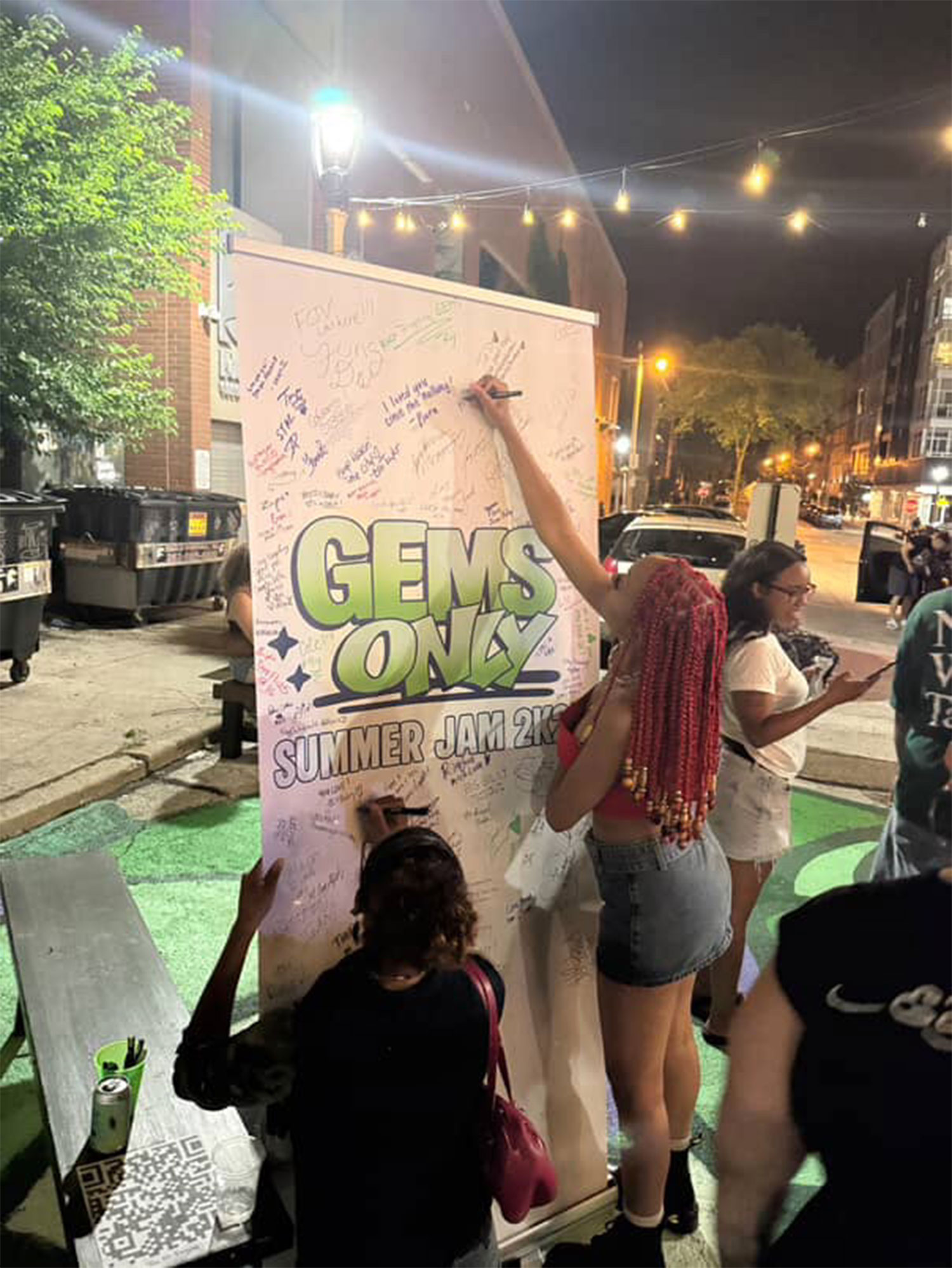
Photo provided by DJ GEMINI GILLY
MR: In May of 2023, you started GEMS ONLY, which you’ve described as a “signature event series that amplifies, celebrates, and centers BIPOC communities.” Why did you want to create this event series? How has it grown?
GG: I started conceptualizing GEMS ONLY during the pandemic; it’s my baby. I’d only DJed in public a few times before everything shut down. I felt like I was robbed. So I started thinking about things that I could do once everything was back to normal.
From 2020 to 2023, GEMS ONLY was just a concept. And in 2023, I DJed 414 Day at The Outsider. People came up to me afterward, saying I should throw my own event, that they didn’t get to hear the type of music I was playing very often. For the first GEMS ONLY, we had over 300 people show up. After that, I started scaling back from other DJ gigs at bars and clubs to make GEMS ONLY my main focus.
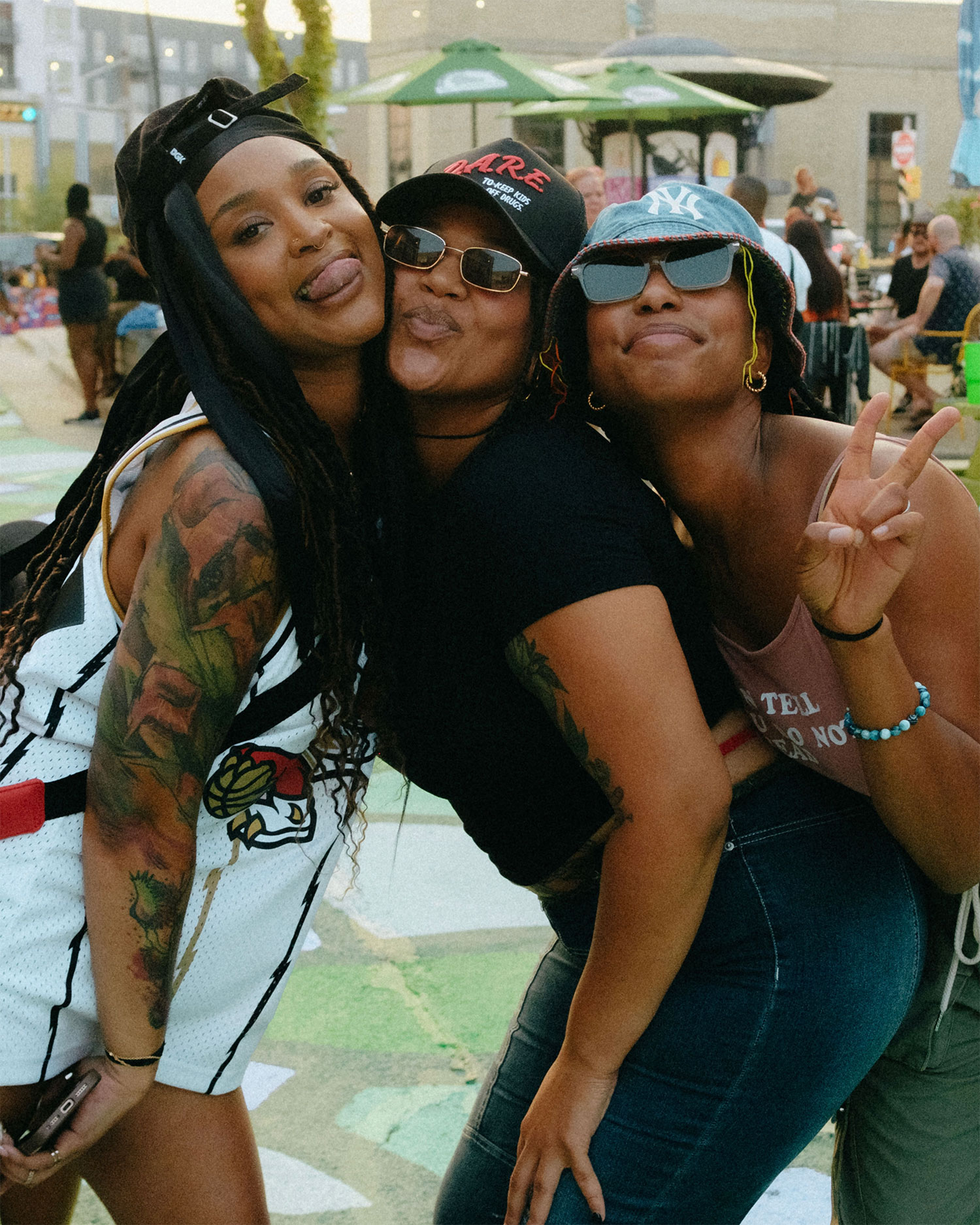
Photo provided by DJ GEMINI GILLY
Some places don’t like to play Black music. And that’s cool for those venues, but I won’t be there. I want to amplify Blackness and Black joy. I noticed there were a lot of white-centered spaces where Black and Brown people may go, but it’s not for us. I wanted to create something that is catered to us. GEMS ONLY is intentionally at places where Blackness may not be centered. It’s about exposing people to different gems in the city. For example, I’ve hosted events at The Cooperage, but I wanted to bring it to life in my own way. What matters to me is how things feel. I put a lot of intention and love into GEMS ONLY because I know what it feels like to not be centered.
All of our events are intentional about amplifying and paying homage to Black culture and Blackness. For our Summerfest show, I was invited to do a show paying homage to women in music. I decided to highlight Black and Brown women in music, who often aren’t credited or celebrated for their contributions to the entertainment industry. I brought in a Black woman DJ from Chicago, Hillery Banks, and I had 10 Black women dancers doing a wide range of choreography. It was a beautiful moment that showcases how GEMS ONLY is for the culture.
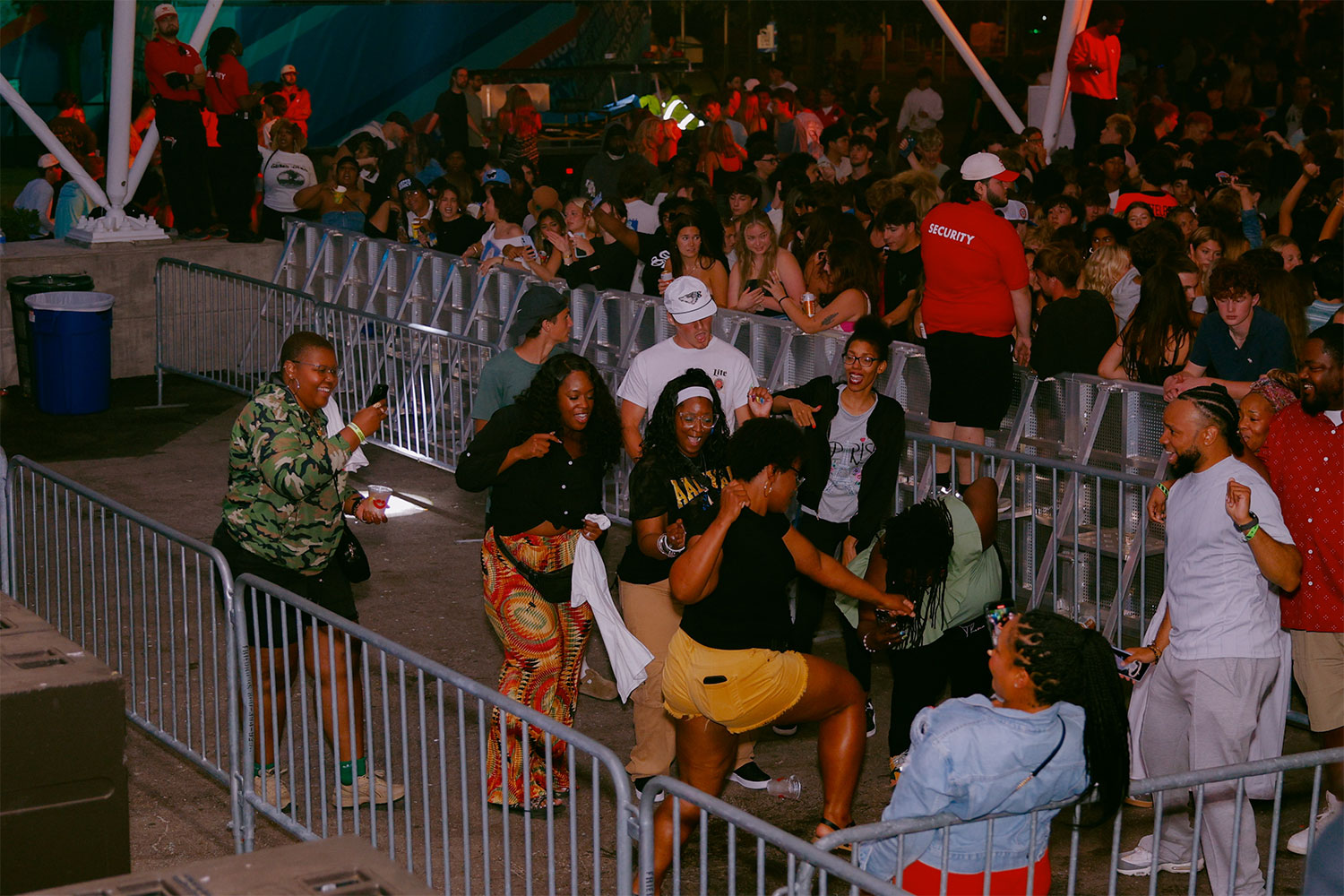
Photo provided by DJ GEMINI GILLY
MR: What goals do you have for GEMS ONLY in the future? Where do you want to see the series go?
GG: This year, we had GEMS ONLY in New York and Chicago. But there is nothing like having GEMS ONLY in the city. My goal is to continue to show Milwaukee what Black joy and community look like when we all gather together. Next year, we definitely want our Summer Jam, which was such a joyous event, to be bigger and better.
When I first conceptualized GEMS ONLY, Milwaukee was the only place in mind. There was no other place. GEMS ONLY is my love letter for the city that raised me. I want people to enjoy it and take what they need from it. It’s not about the money for me. If I go home with zero dollars (and there are times I do), I’m 100% okay with that if people had a good time and got a chance to escape their life for a couple of hours.
Would I be gracious and grateful if GEMS ONLY went on a tour? Of course, I’d love to bring GEMS ONLY to different places. But Milwaukee is home for me, and I want to keep putting it on the map as much as I can.
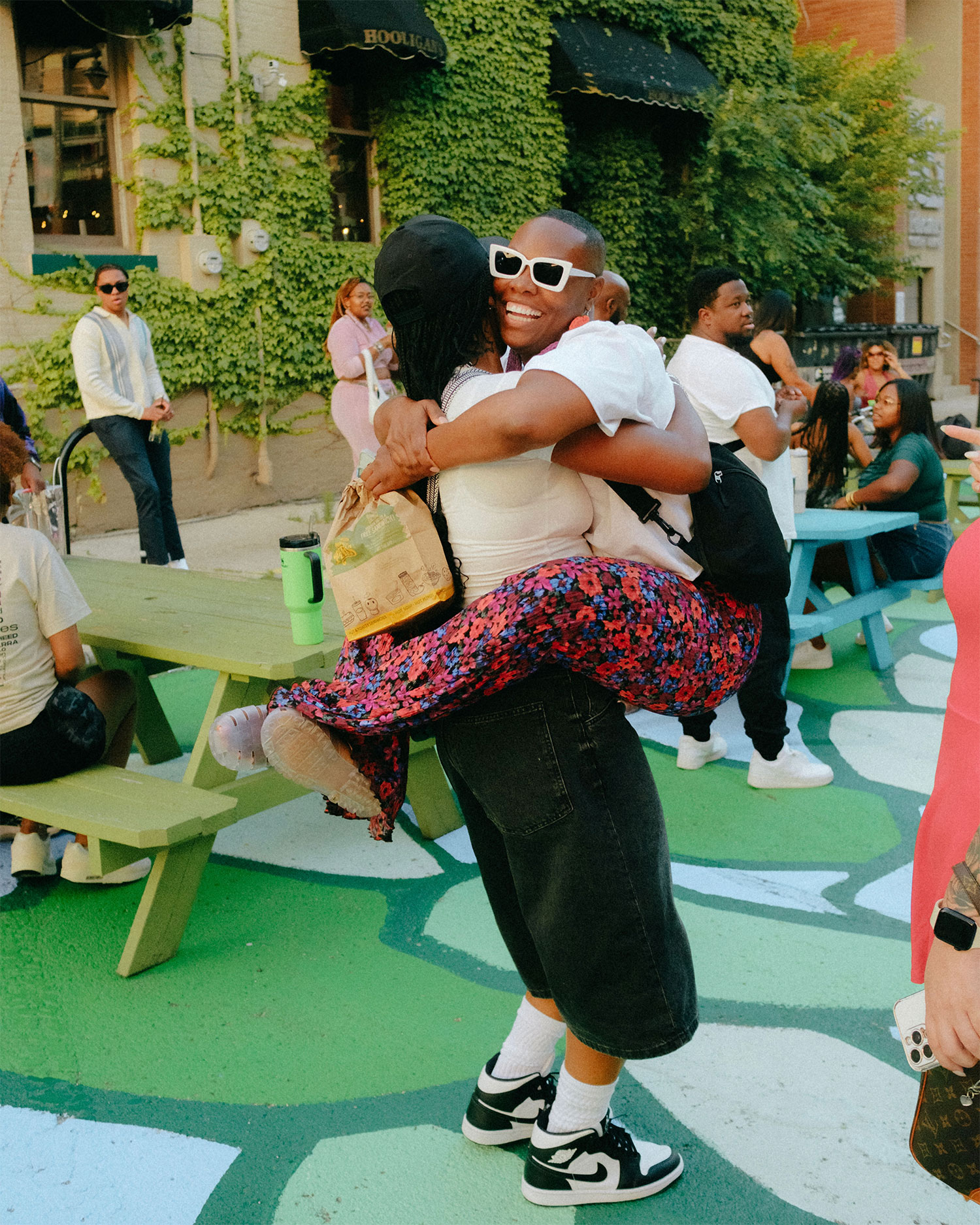
Photo provided by DJ GEMINI GILLY
Want more Milwaukee Record? Subscribe to our free weekly newsletter and/or support us on Patreon.