
Summer is the best. Join Milwaukee Record and Wheel & Sprocket August 3-10 as we search the city and beyond for the Spirit Of Summer.
I‘ll let you in on a little secret: I never meant to become “the bird guy.” When I set out to photograph the beauty of Humboldt Park back in the summer of 2020, I did so under the guise of becoming “the wildlife photo guy.” Mammals, amphibians, reptiles, and, yes, birds, were all under my watchful view. With COVID sucking the life out of the world, I aimed to capture all of the creatures that connect us to the planet—specifically, the creatures we share our Milwaukee community with. It was a bit of a cliché, really. The ol’ “call of the wild” during a time of indoor seclusion, but it gave my brain a rest from the relentless negativity of the time. (Let’s be real, the negativity hasn’t really left us since COVID.)
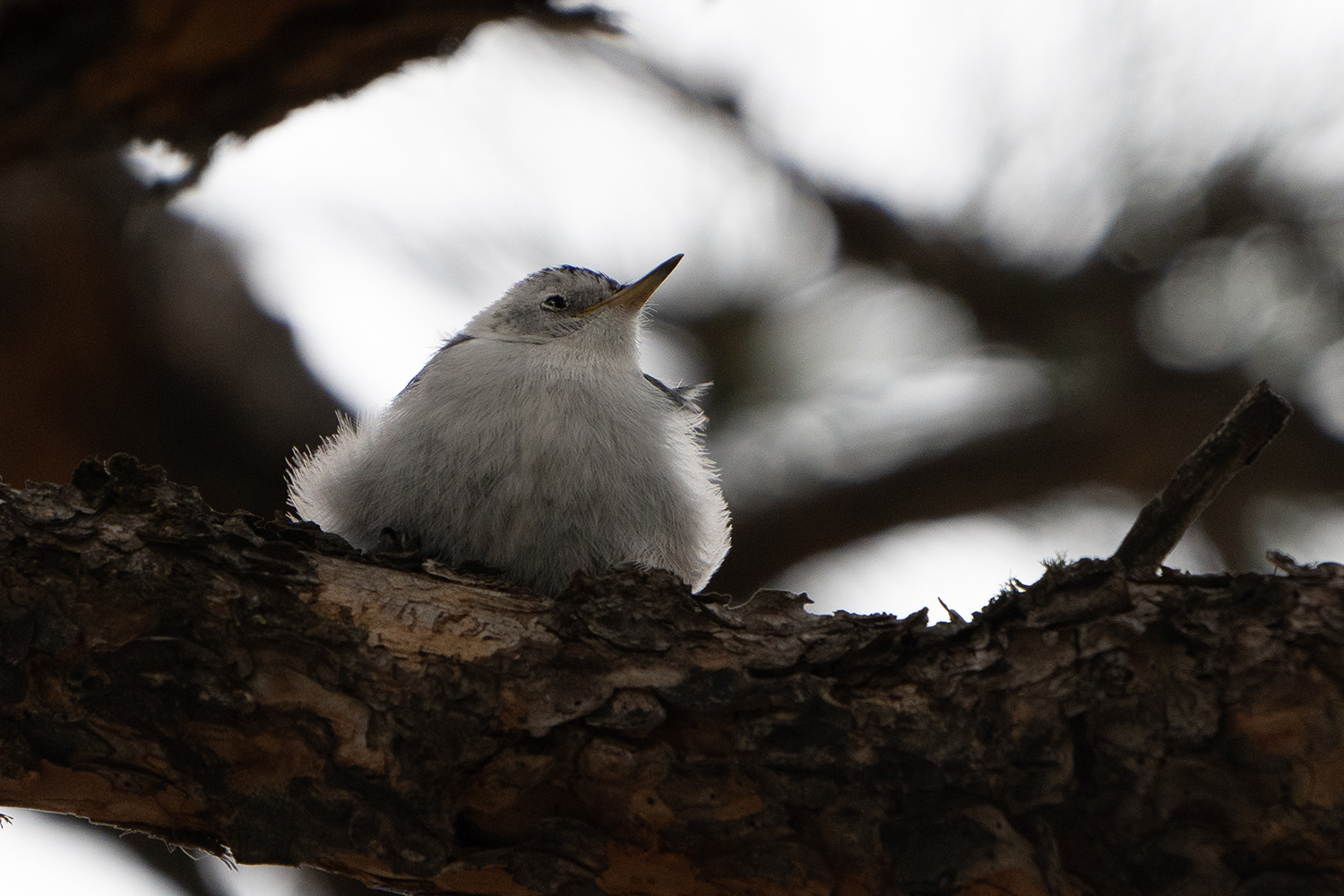
White-breasted Nuthatch fledgling
It wasn’t the going outdoors that meant something. It was the paying attention to what’s in the outdoors that my brain really needed, and it was the paying attention to it that turned me into a “bird guy.” As I honed my craft photographing creatures living in the Humboldt Park lagoon, two things became apparent: there were a lot more bird species in Milwaukee than I realized, and I had no clue what half of them were. Seeking out the names of the mystery species in my photos became just as fun as witnessing the birds in action, and all I could think about was finding the next mystery species.
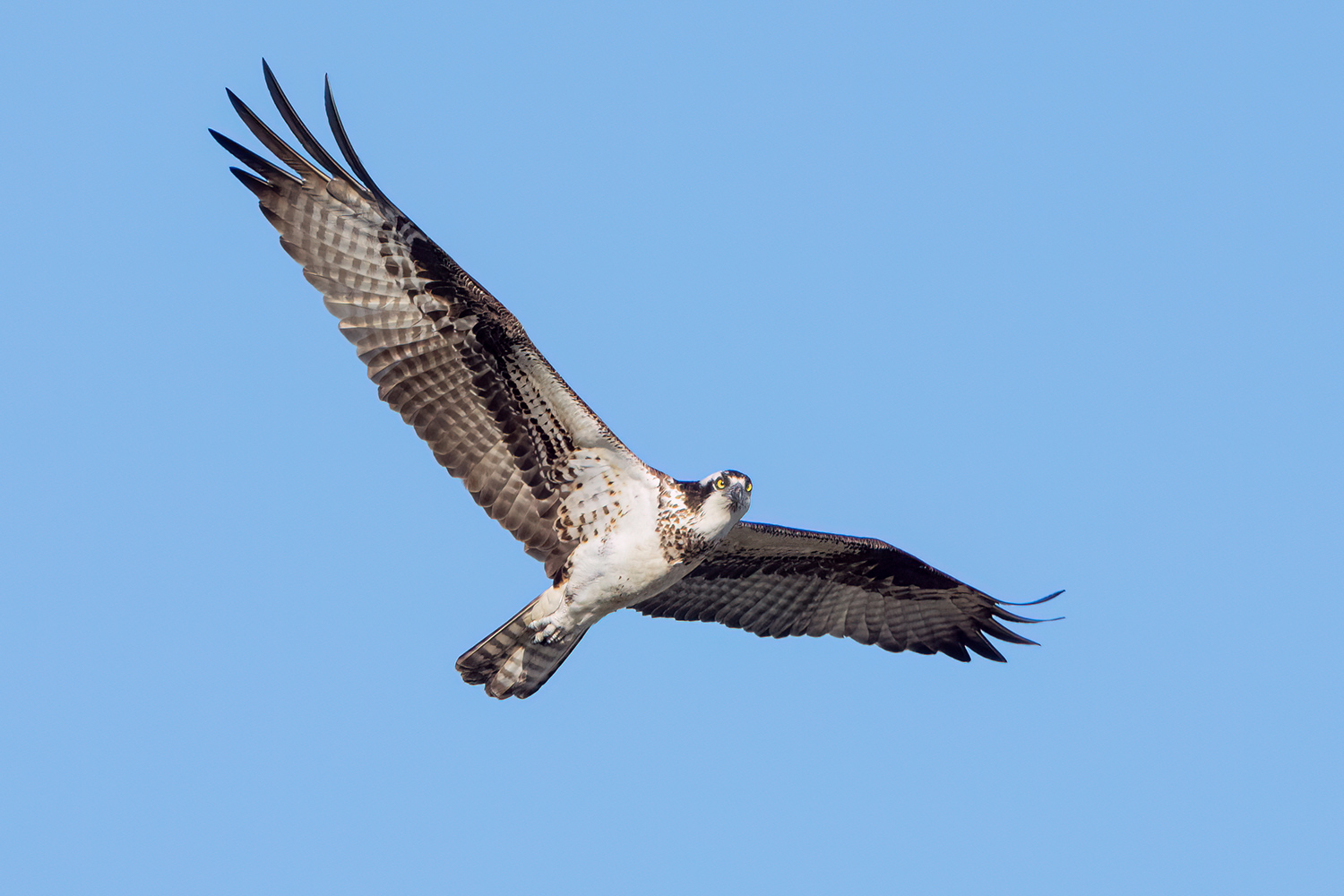
Osprey
The journey led me to partake in local bird walks, where I met people with decades of birdwatching experience. During these walks, I’d hear an excitable birder exclaim, “That’s a lifer!” or “Another one for the list!” while staring down a bird through their binoculars. The whole group would light up and congratulate their colleague, then continue their exploration of local birdlife. Of course, I had to ask what they were referencing, and found out that I was sort of doing the same thing without knowing it. Thus, the Lifer List was born.
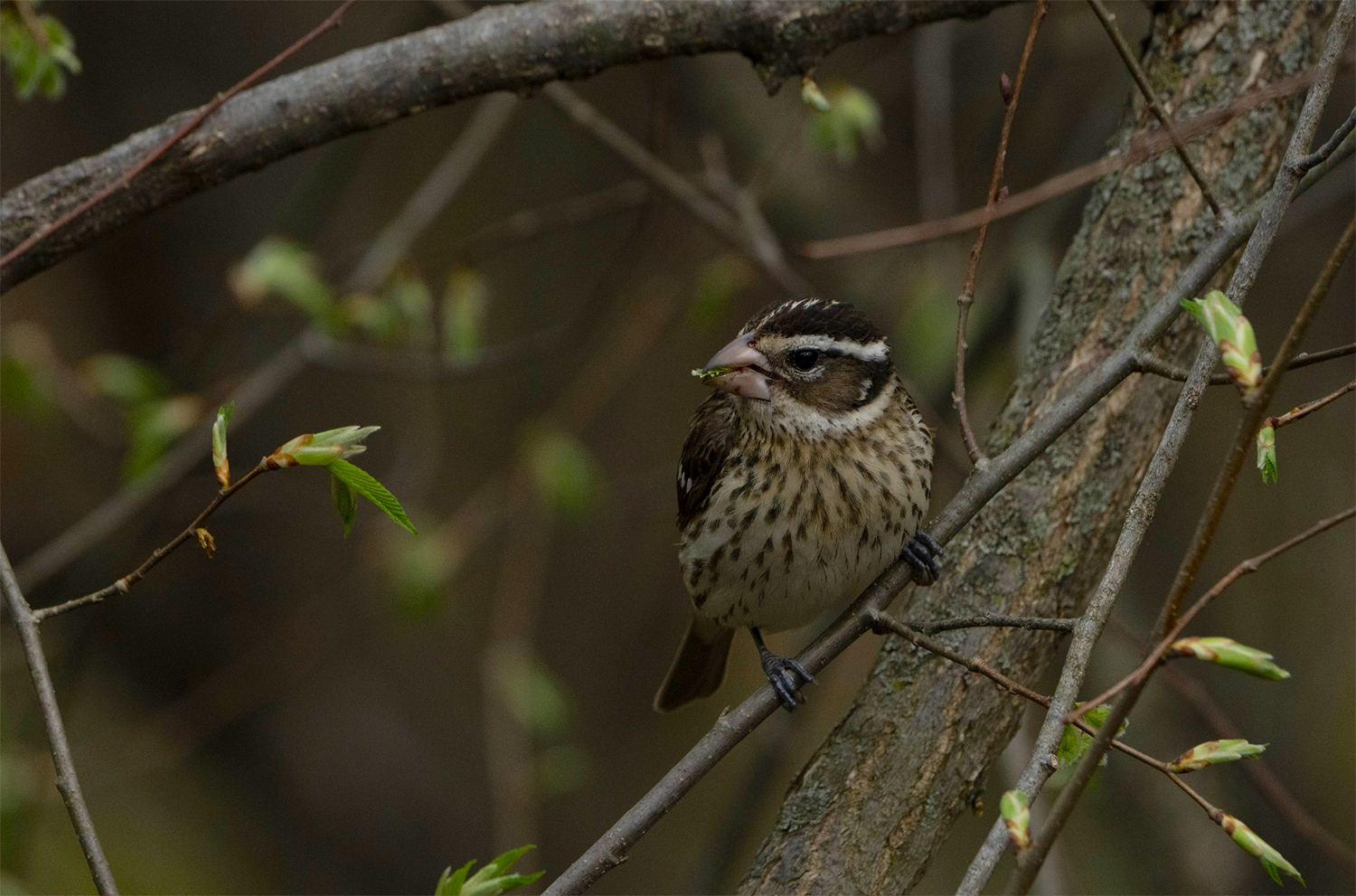
Female Rosebreasted Grosbeak
So, what exactly is the Lifer List?
For every person, the Lifer List is different, and it’ll be personal to you. A “lifer” is in reference to the first time you see a new species. See a Semipalmated Sandpiper for the first time while walking the shores of Lake Michigan on the 4th of July? That’s a lifer! And obviously, a list is a record of a specific thing. So, simply put, the Lifer List is a list of every species of bird that you see (for some people, it includes birds that you hear but don’t see).
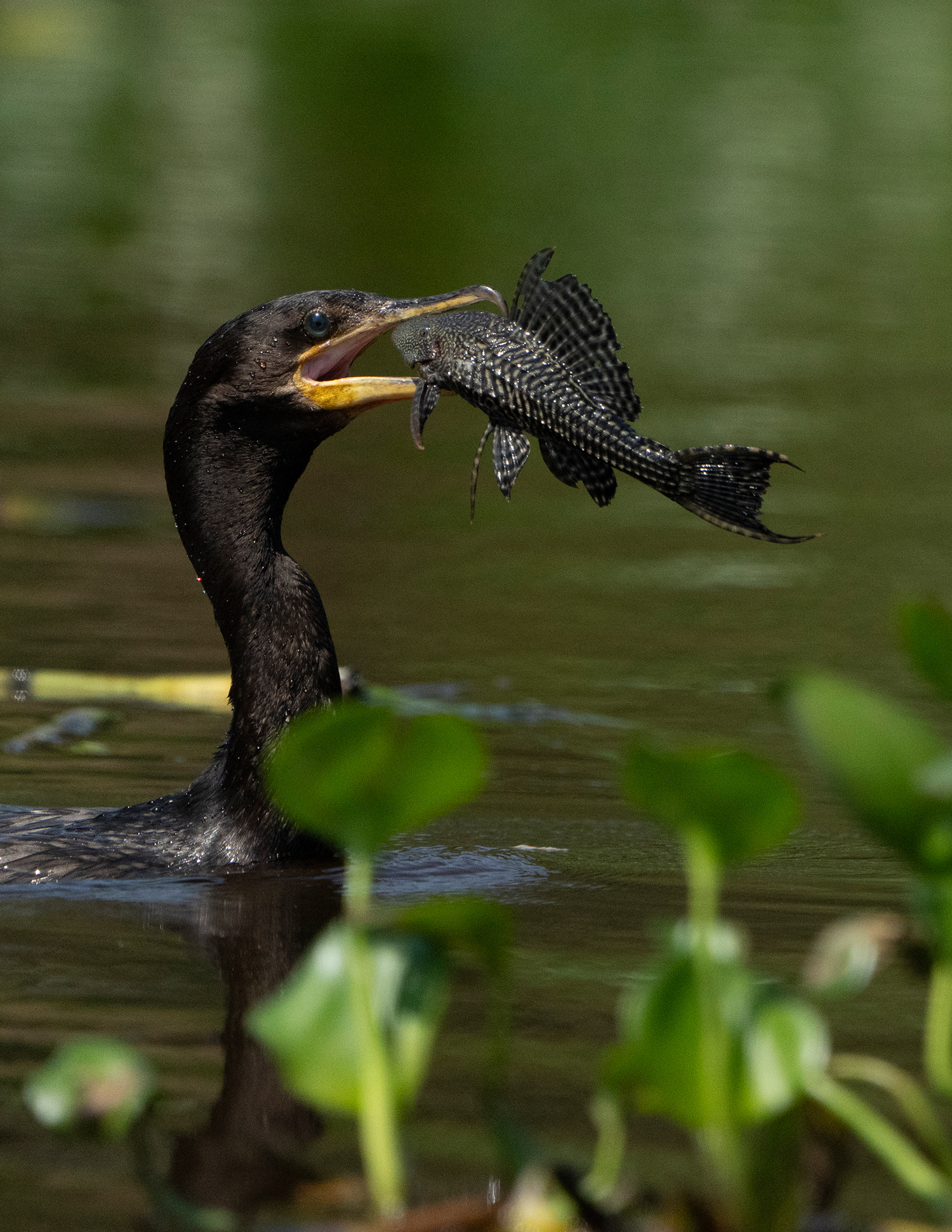
Double-crested Cormorant. Lifer #3
The Lifer List is an ever-growing document that travels with you throughout your lifetime. More importantly, it acts as a bit of a pause button and memory jogger. The act of recording something new gives appreciation for it, while helping you recount the experience when you reflect back upon your list at a later date. For some, the list is an excuse to create goals (as in, I want to see 200 birds). For others, it’s a competition (I just gotta beat that jerk, Aldo). For most of us, it’s just as stated above: a chance to take a moment to appreciate the diversity of the world around us.
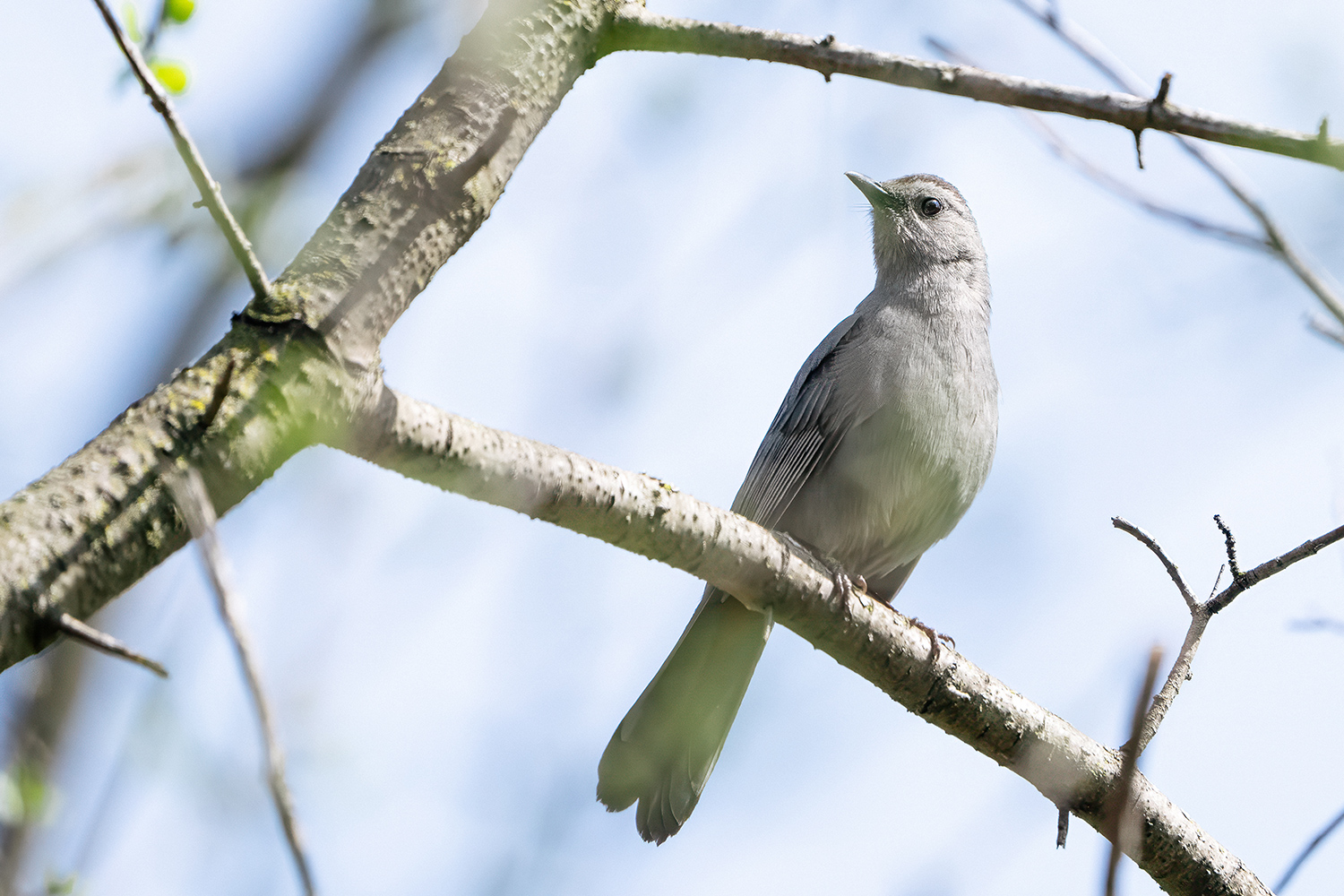
Gray Catbird. Lifer #29
Variations of the Lifer List
Of course, with any good idea comes variations on that idea. The most notable secondary list in a birder’s holster is their yearly list of birds. Movies like 2011’s The Big Year and the viral documentary The Listers cover the extreme version of this list in great detail.
It’s the same concept as a Lifer List, but truncated to just the year. This method of counting bird species has a few advantages. For one, it makes common bird species more exciting to see. Instead of counting Barn Swallows once in your life, you can count them once every year. During the year, you get to witness the ebb and flow of avian life throughout the seasons. As you compile yearly lists, you can see how bird migration changes throughout time. Maybe a Dark-eyed Junco arrives earlier or later, depending on the temperature of the planet. What once was a rare bird might become an everyday bird, and what once was an everyday bird might vanish from Wisconsin’s skies. Many older birders have told me to cherish current lists, because species we see in the state now we may never again see in the decades to come.
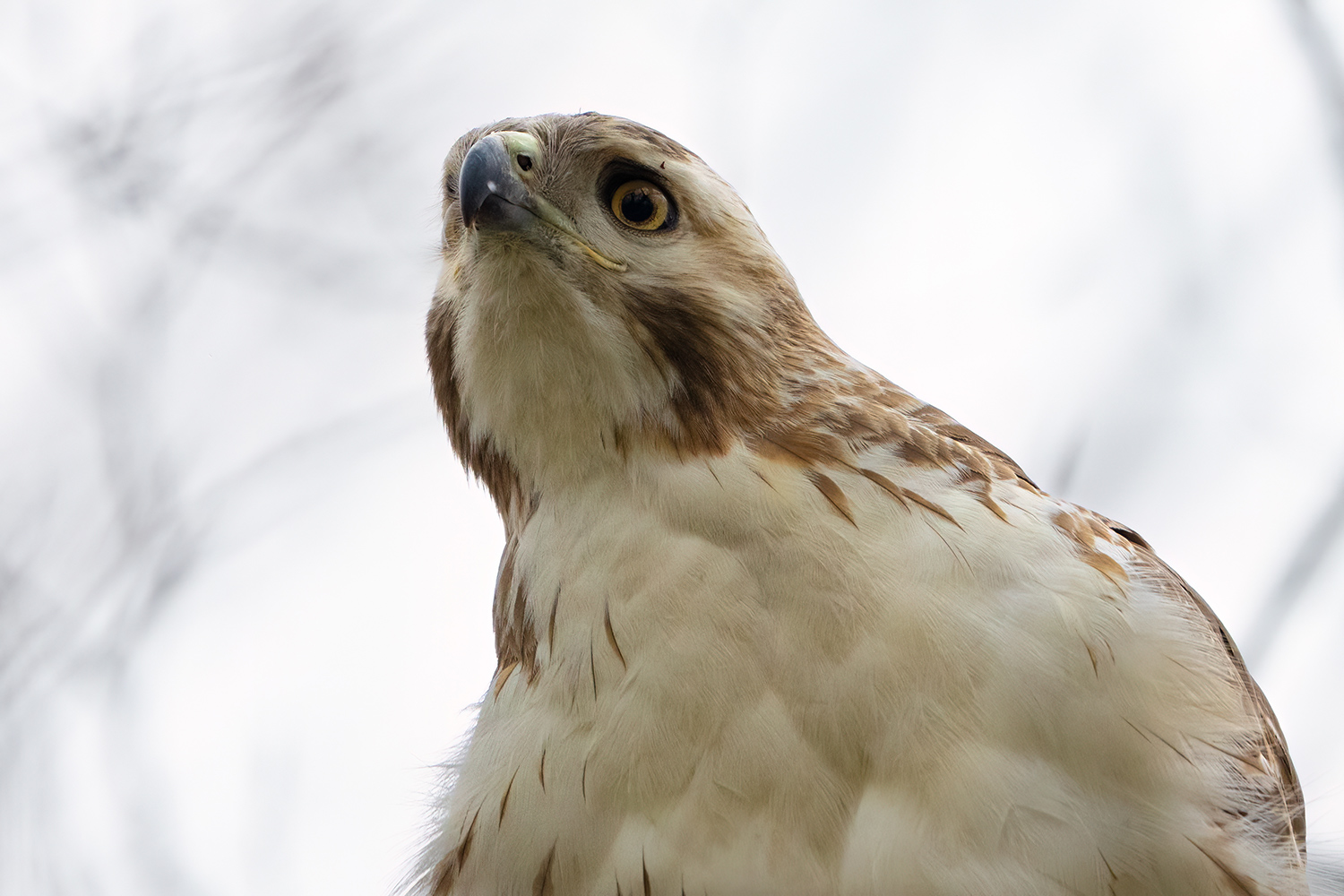
Red-tailed Hawk. Lifer #42
That brings up another variation, which is your [INSERT LOCATION HERE] Lifer List. It’s a list of birds you see in a specific place. Your City/County/State/Country/Continent list. And (of course) you can break that down into both an “all-time location” list and a “yearly location” list. The environmentally minded birders have added an additional list to consider: the “Green Lifer List,” which tracks the species of birds you see while walking or biking. One of the perceived ironies of the Lifer List is driving countless miles just to catch a glimpse of one rare bird, or wasting diesel flying across country and continent in search of a “Big Year” (where you try to see as many birds as humanly possible in one year, location be damned!). The Green List emphasizes the pursuit of no-emissions bird watching.
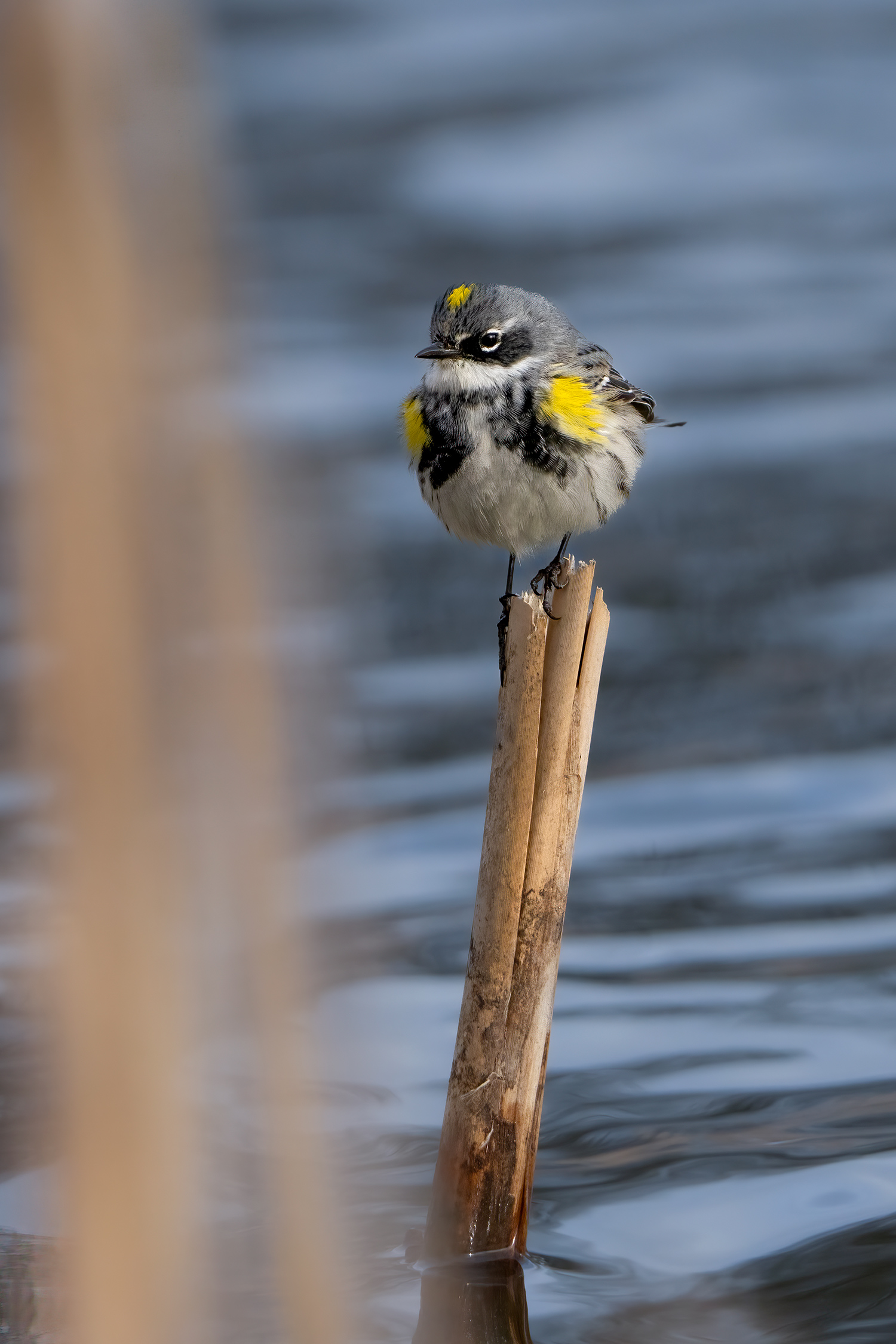
Yellow-rumped Warbler. Lifer #65
All that being said, I like the idea of the traditional lifer list, but also say “to each, their own.” Some like the personal challenge of trying to see more Wisconsin birds than they saw last year. Others, like me, enjoy the journey across one’s lifetime that the traditional list brings. (To be fair, I’ve done zany bird-related things in the past that put a spin on the big year.)
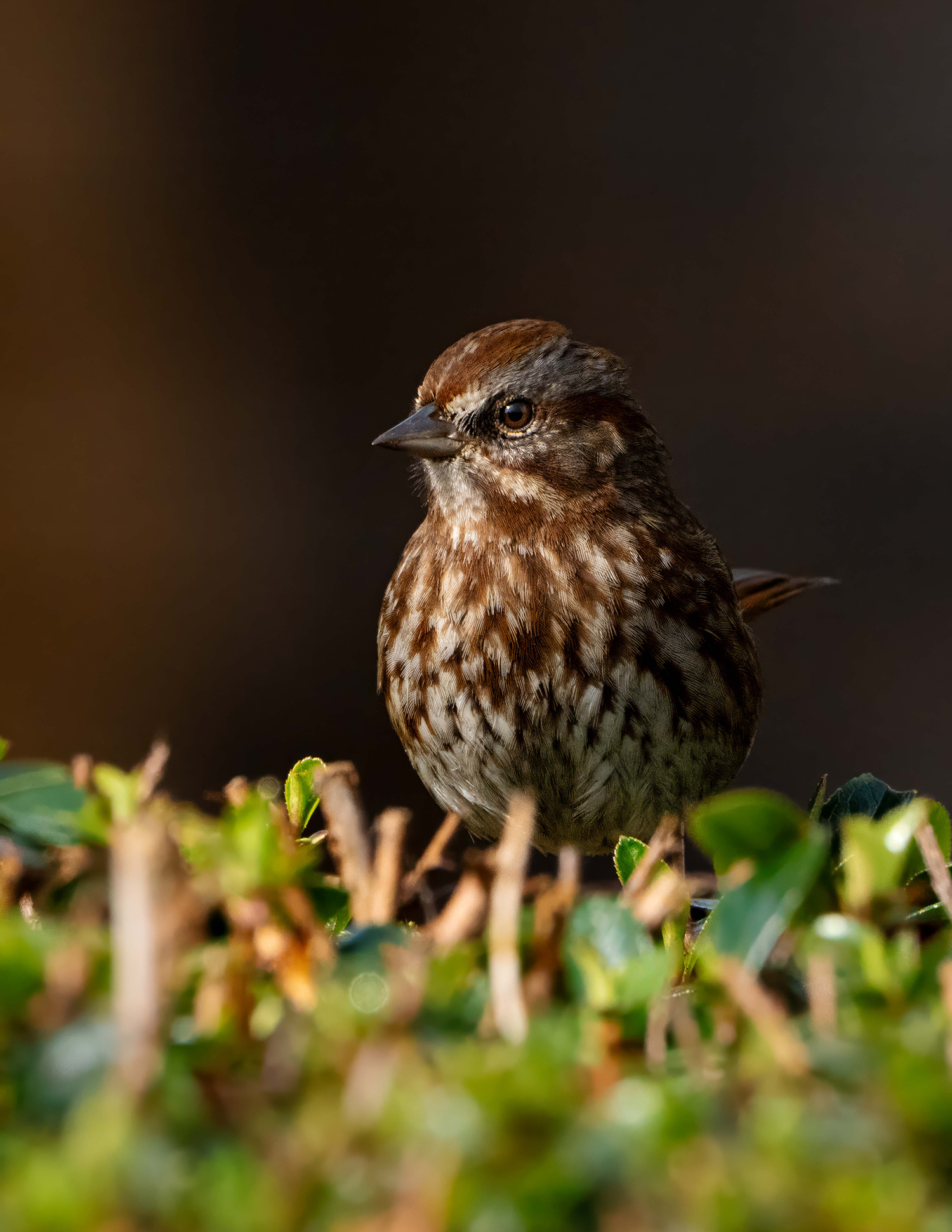
Song Sparrow. Lifer #100
Getting Started
If keeping a list of birds is something that interests you, there are a few ways to get started. You can go old school and just keep a physical journal that you write your discoveries into. Most pre-internet age birders do just that, and it’s a great way to make your list feel personal to you.
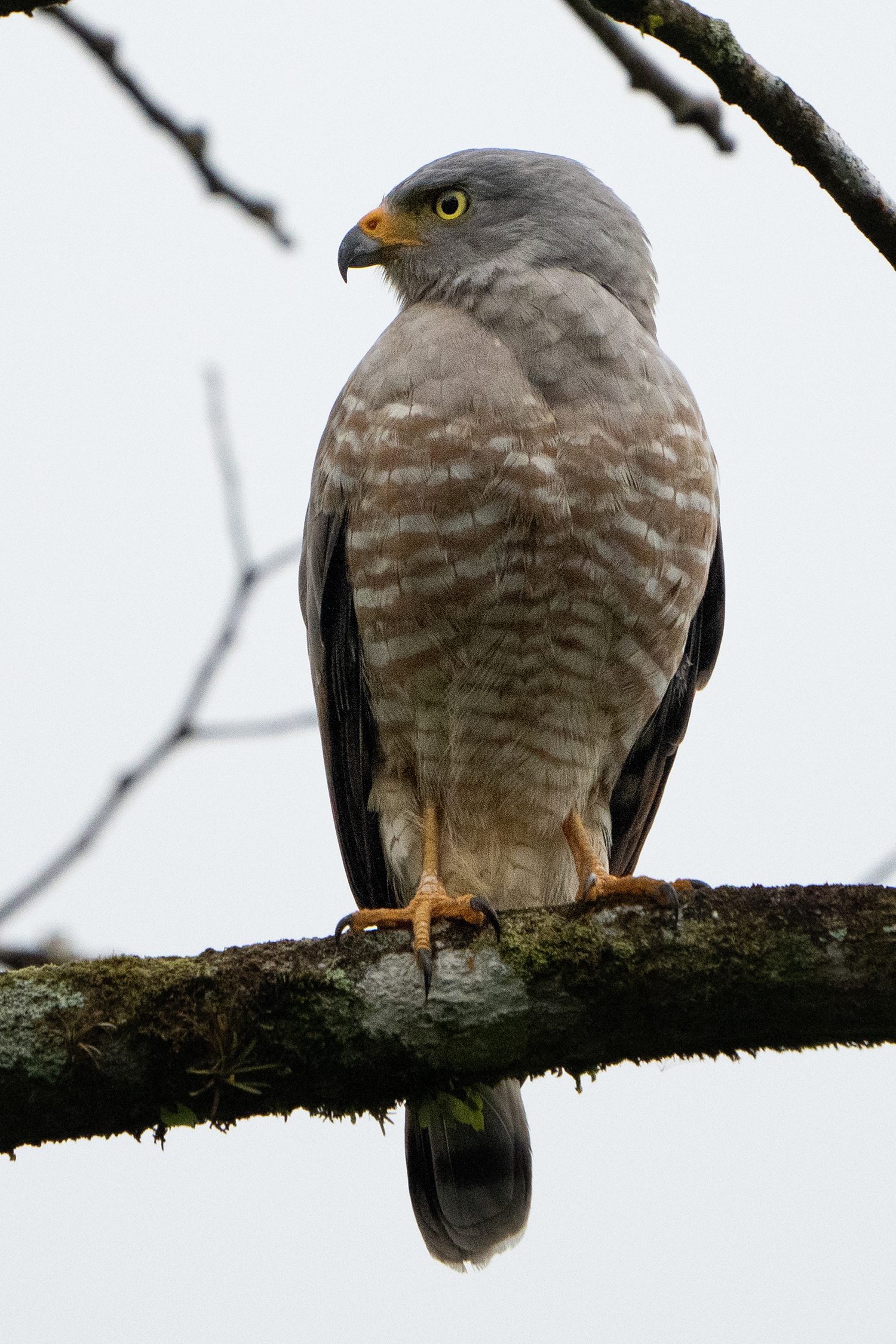
Roadside Hawk. Lifer #280
If you find a written list is just a headache, or you want to do some good with your list, you can log your sightings using eBird. eBird is an app and website that tracks every bird (not just bird species) that you see every time you go out birding. The eBird community is over 1 million birders strong, and each recorded observation goes into a scientific database that has resulted in thousands of research studies. It also keeps all of your lists (lifer, yearly, location, etc)! In this day and age where people worry about phone apps rotting your brain, eBird is a reminder that technology has some advantages too.
Lister Life
In my opinion, keeping lists of birds is a personal choice to acknowledge your surroundings, and honestly speaking, the pursuit can shift a person’s life. Seeing a Bald Eagle soar through the sky on a morning commute brings excitement to your everyday. Joining bird walks with local nature orgs creates human bonds as the collective group helps individuals add new lifers. Finding new birds will make you study them and see just how different one species is from the next. You’re simultaneously aware of how the environment is impacted by human action, yet in awe of how creatures can take the little that’s left for them and find ways to thrive. You’ll look at Milwaukee in new ways, and if the bird bug bites you big, it’ll put a spin on your travel plans, too. You’ll see how migratory species of birds adapt to other environments as they travel across continents and marvel at how different sparrows, grosbeaks, and other bird families differ region to region. You’ll find ways to connect with people who don’t even share the same language as you.
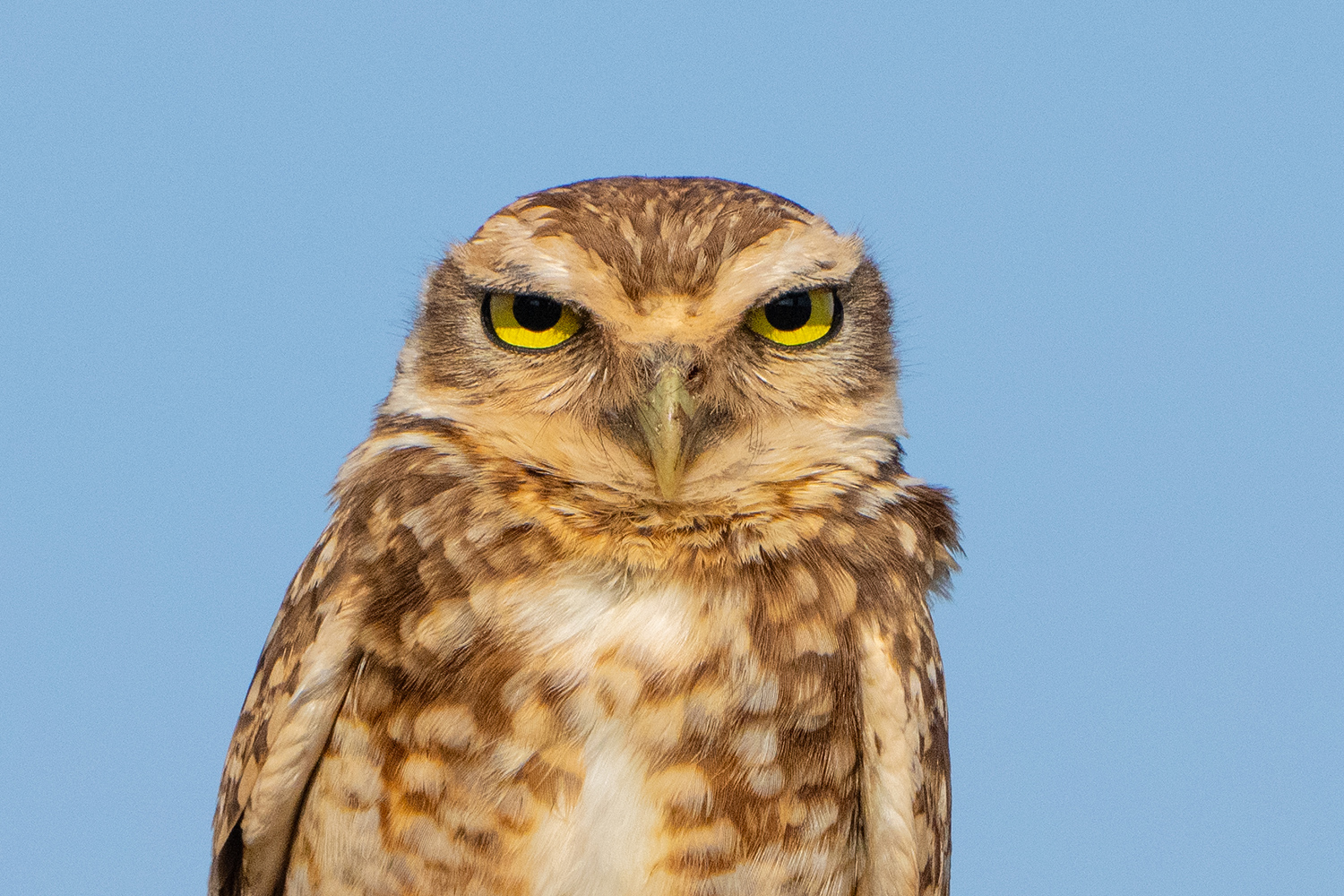
Burrowing Owl. Lifer #623
And of course, you’ll see more than just birds, too. Painted turtles with their highlighter-striped necks. Ants scatter across the forest floor. An inconspicuous snake waiting for the perfect time to strike its meal. Deer feeding on fallen corn, and further out into the world, elephants taking an afternoon bath. My Costa Rican guide Nito once told me, “My favorite people to take into nature are birders. They care about things big and small, and they care about the entire ecosystem.” After all, to create an impressive Lifer List, one must look everywhere.



Along the way of pursuing a goal for your Lifer List (mine is seeing one-tenth of the world’s bird species), you might find that what matters more than the goal is hours spent marveling at it all. The Lifer List should be more than a vanity project. It’s a catalogue of your time spent basking in the glory of this incredible planet we’re lucky enough to spend some time on. For truly, we are lucky every time our eyes watch a bird take flight.
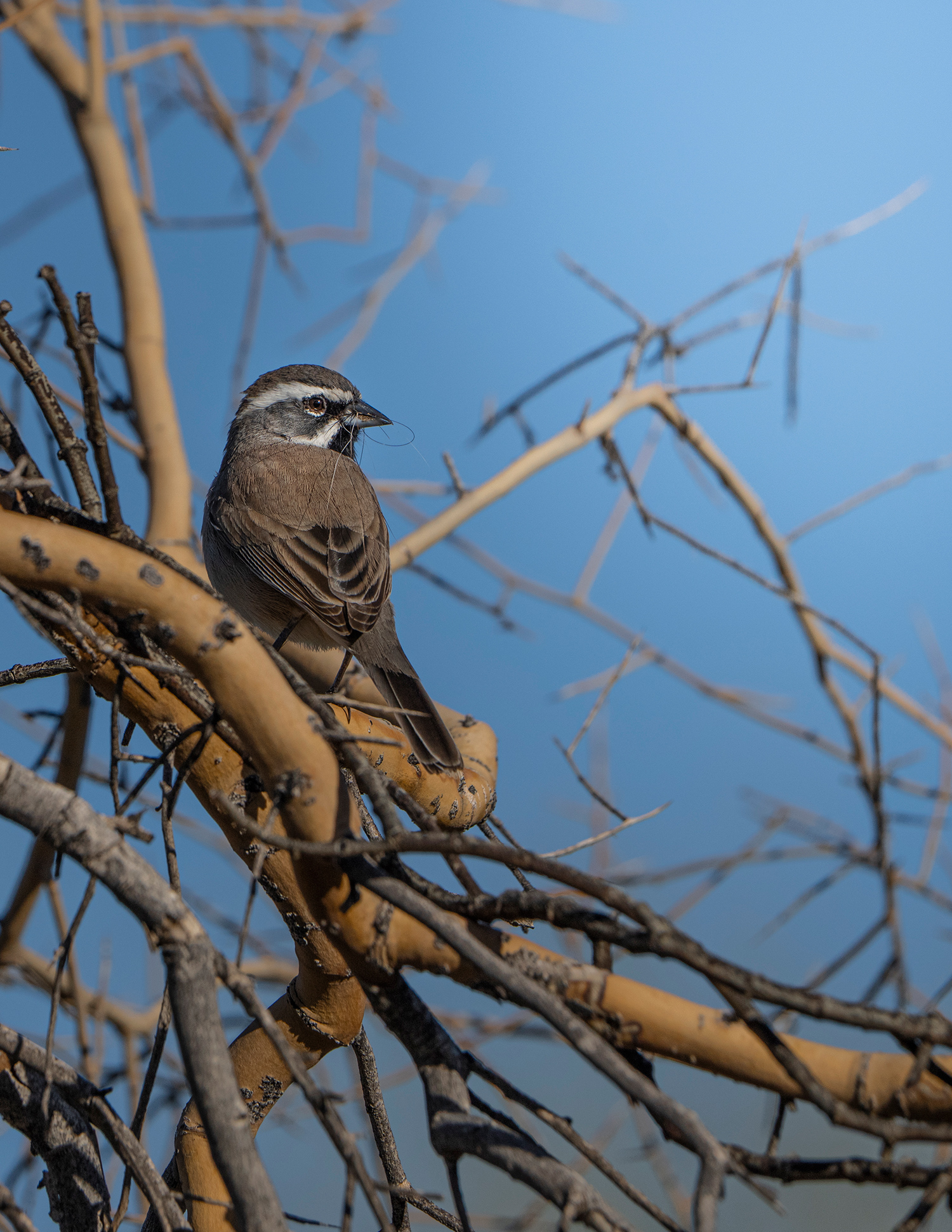
Black-throated Sparrow. Lifer #970
Want more Milwaukee Record? Subscribe to our free weekly newsletter and/or support us on Patreon.
RELATED ARTICLES
• Changing of the Feathers: Summer is for subtlety