
Changing of the Feathers is a quarterly series detailing the ebb and flow of Milwaukee’s seasonal bird life. You can view previous entries HERE.
Domestic Routine
For humans, summer marks a period of movement. In the city, an eruption of activity around farmers’ markets, festivals, and beachside parties. Whether in our backyards or beyond, there’s an urge to make the most of the year’s longest light. There are events for everyone, every day, and every night. In the countryside, there’s an influx of vacationers looking to escape the mundane nature of the five-day work week. The sun energizes us with a need to be active, as we reclaim our youthful days of school-less summers. Routine be damned. Today, we party.
A different story emerges for the birds. Routine is welcome after spending spring’s frequent flier miles in an all-out sprint to reach Lake Michigan’s shores. While spring has birds battling it out for love and bugs, summer is a time for subtlety. The flurry of new birds subsides as both year-rounders and summer visitors settle into their seasonal homes. To the watchful eye, bird activity seems to die down. In reality, the tufted titans of elevated transportation are busier than ever. They’re just more picky about energy usage. Sunrise and sunset are filled with commotion. Egrets, rails, herons, and shorebirds fish. Songbirds dig while woodpeckers peruse every tree for their active food sources.
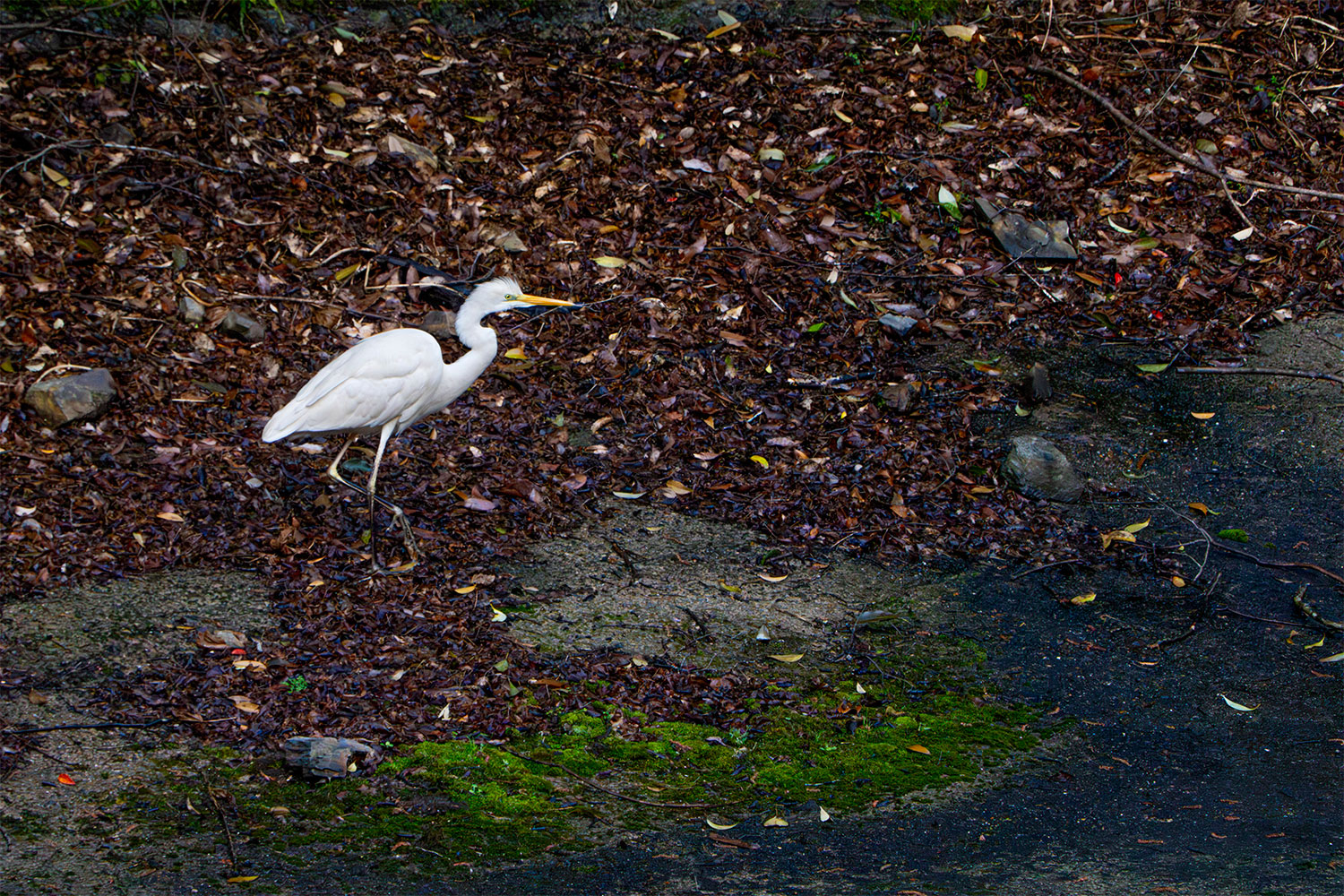
Great Egret
The natural world goes into a bear-like hibernation each day as the sun makes its warmth known. While birds escape the eight-hour workday, each morning and evening marks a period of heavy labor. The bug/nectar/fish/rabbit/roadkill reward needs to be generous, because they’re no longer eating with themselves in mind. You see, the true reward of reaching a summer destination isn’t the view or finding comfort in a routine. It’s the joys (and exhausting efforts) of parenthood.
Life Abundant
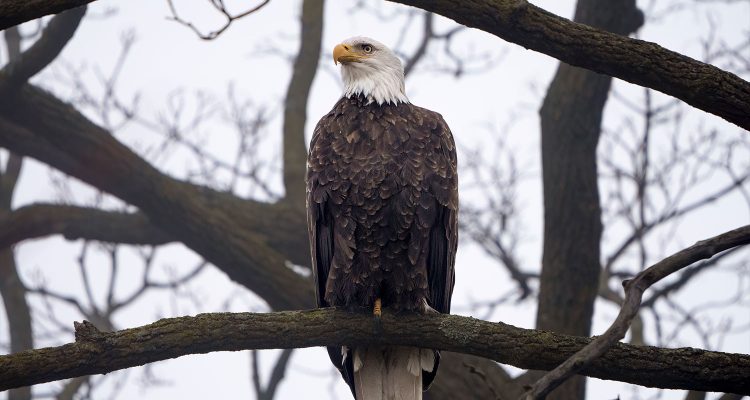
Parenting is different from species to species. I would hazard to say that understanding the variety of parenting strategies found within birds could potentially be useful as we look at human parenting, but mileage may vary on that hypothesis. At the very least, there’s a ton of relatability (both good and bad) to be found in the world of avian childcare. Brooding, or the act of sitting on a clutch of eggs to incubate them, is commonly seen as a female bird activity. A female Bald Eagle will warm the nest each day while its partner provides food for both of them. The same is true for many, but not all, bird species. Sandhill Cranes and Double-crested Cormorants will relieve each other of incubation duties every hour or so, while a Mourning Dove pair will equally incubate and care for their squabs throughout the parenting cycle. As young hatch, both parents relentlessly hunt to keep up with the many hungry mouths.
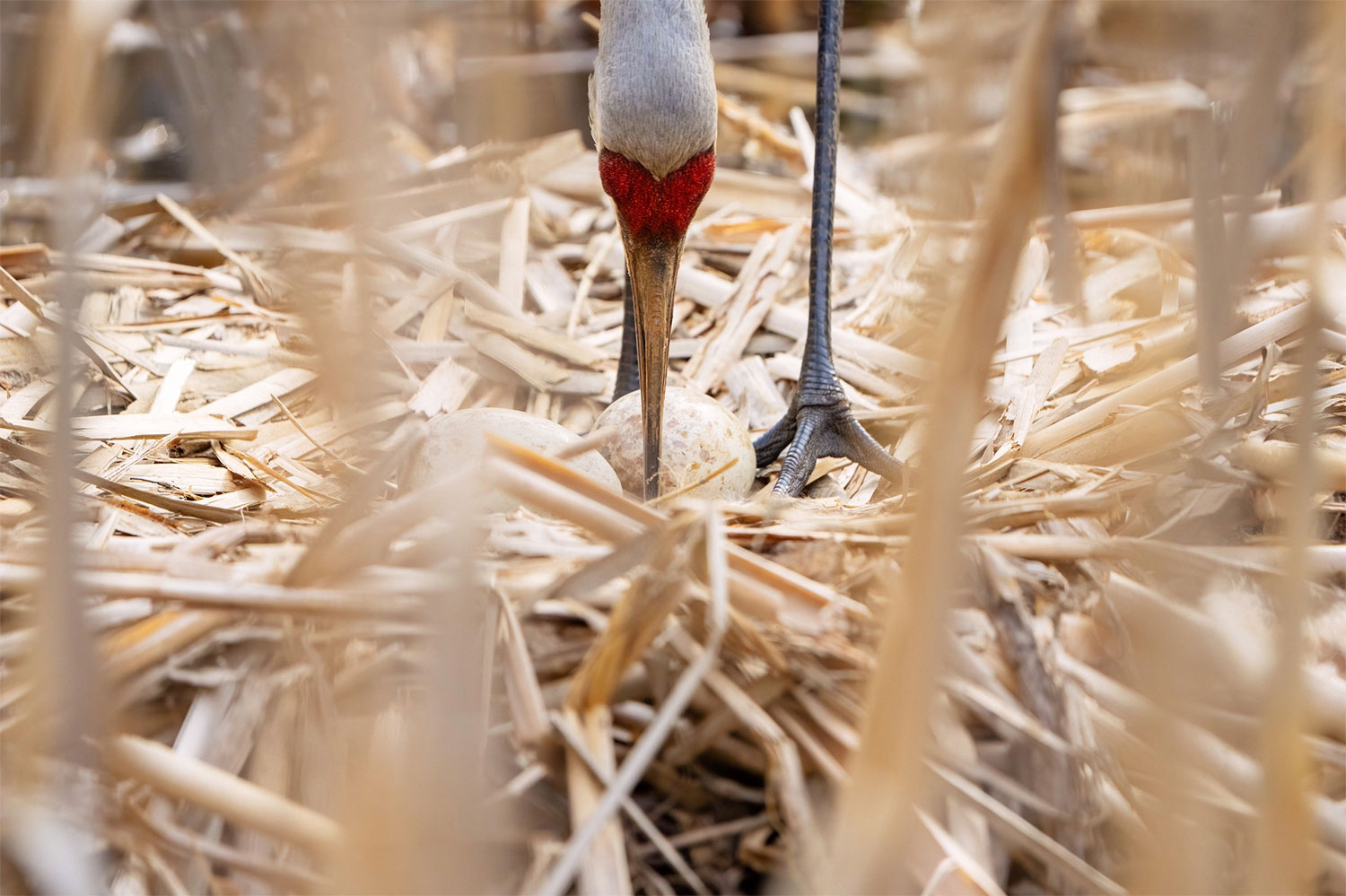
Sandhill Crane on nest
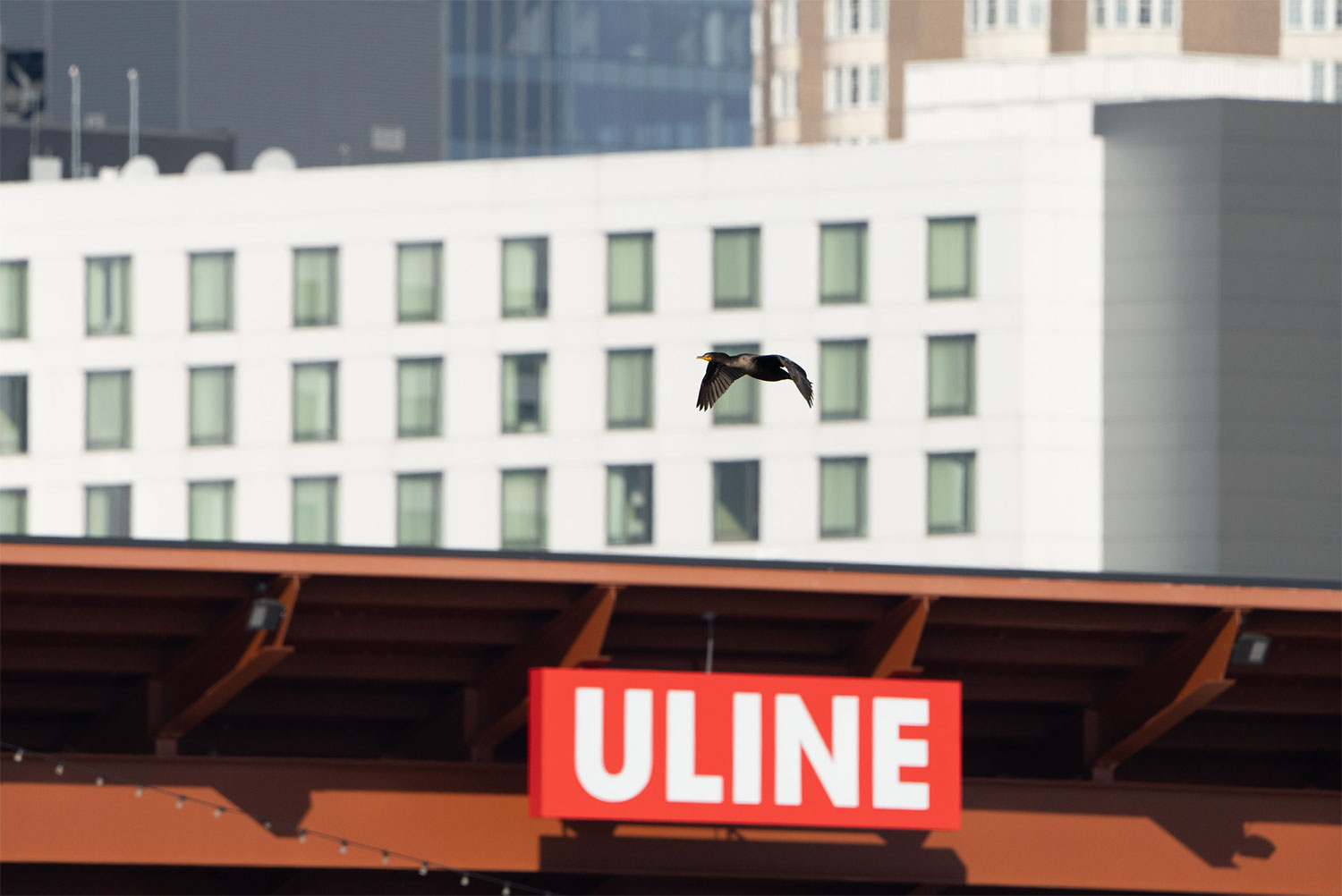
Double-crested Cormorant
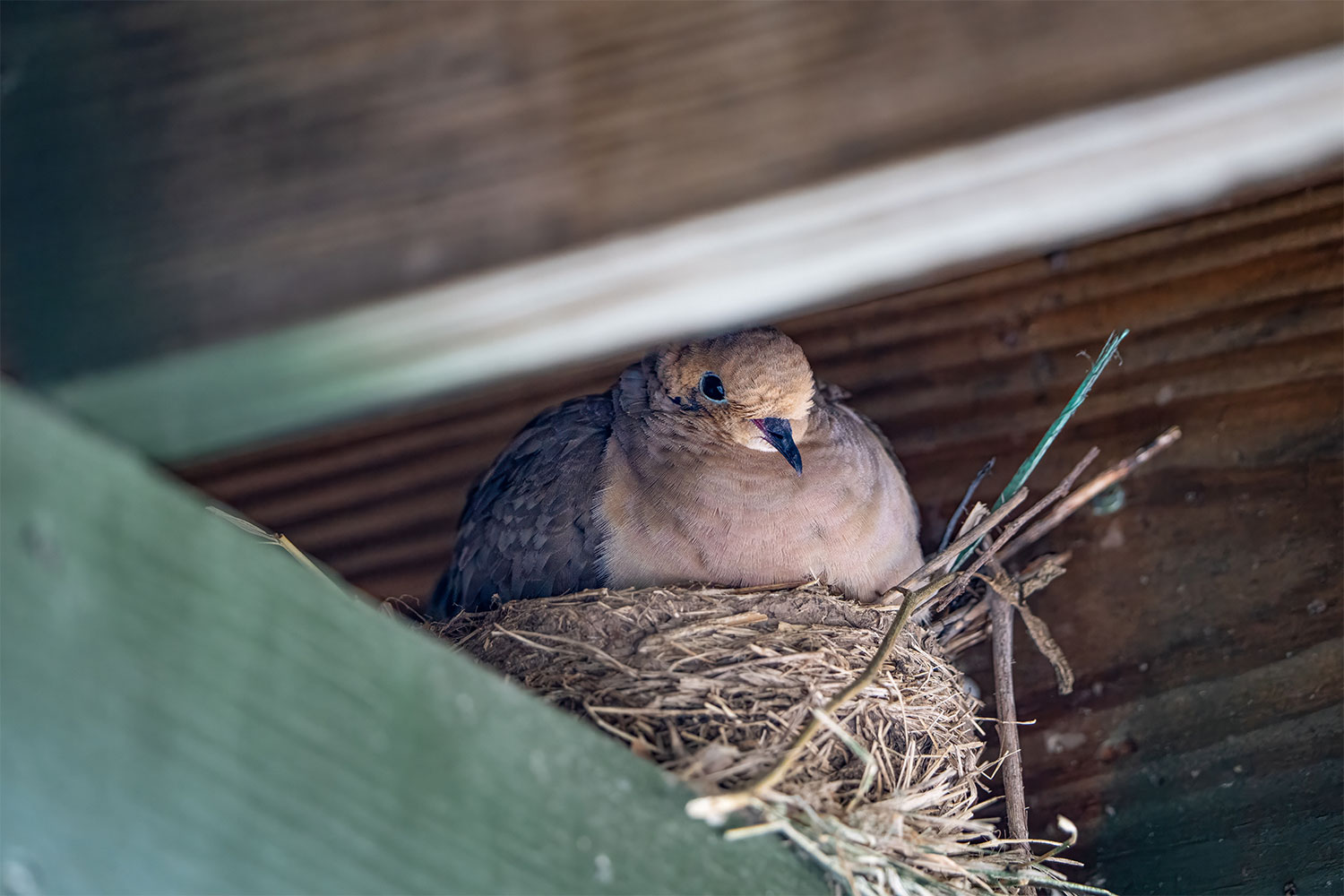
Mourning Dove on nest
Of course, as is the case in humans, absent parenting does occur. A Skidmore College study on Wisconsin Common Yellowthroats found that some males thought they were too hot to be tied down to a family. Male yellowthroats, whose eyes don a Zorro-like black mask, were shown to provide less parental support to their young if their black masks were larger than average. Oddly enough, the opposite (smaller black markings = less parental care) is true for males in New York. The most infamous absent parent in Wisconsin’s bird world is undoubtedly the Brown-headed Cowbird. Females lay up to 40 eggs in a season by laying them in other songbirds’ nests. Called “brood parasitism,” the fledgling cowbirds are often bigger than their songbird peers, steering the parents’ attention (and food) away from their own young. By the time most songbirds catch on, it’s too late. The fledglings are large and in charge. If a songbird catches the egg early, they may ditch it, but fear not: cowbirds aren’t entirely absent parents. Like mafia hitmen, cowbirds periodically check in on the other parents, and if the songbird parents ditch the egg, the cowbirds will retaliate by ditching the entire nest. If you won’t raise Timmy for me, then you can’t have your Jimmy!

Common Yellowthroat
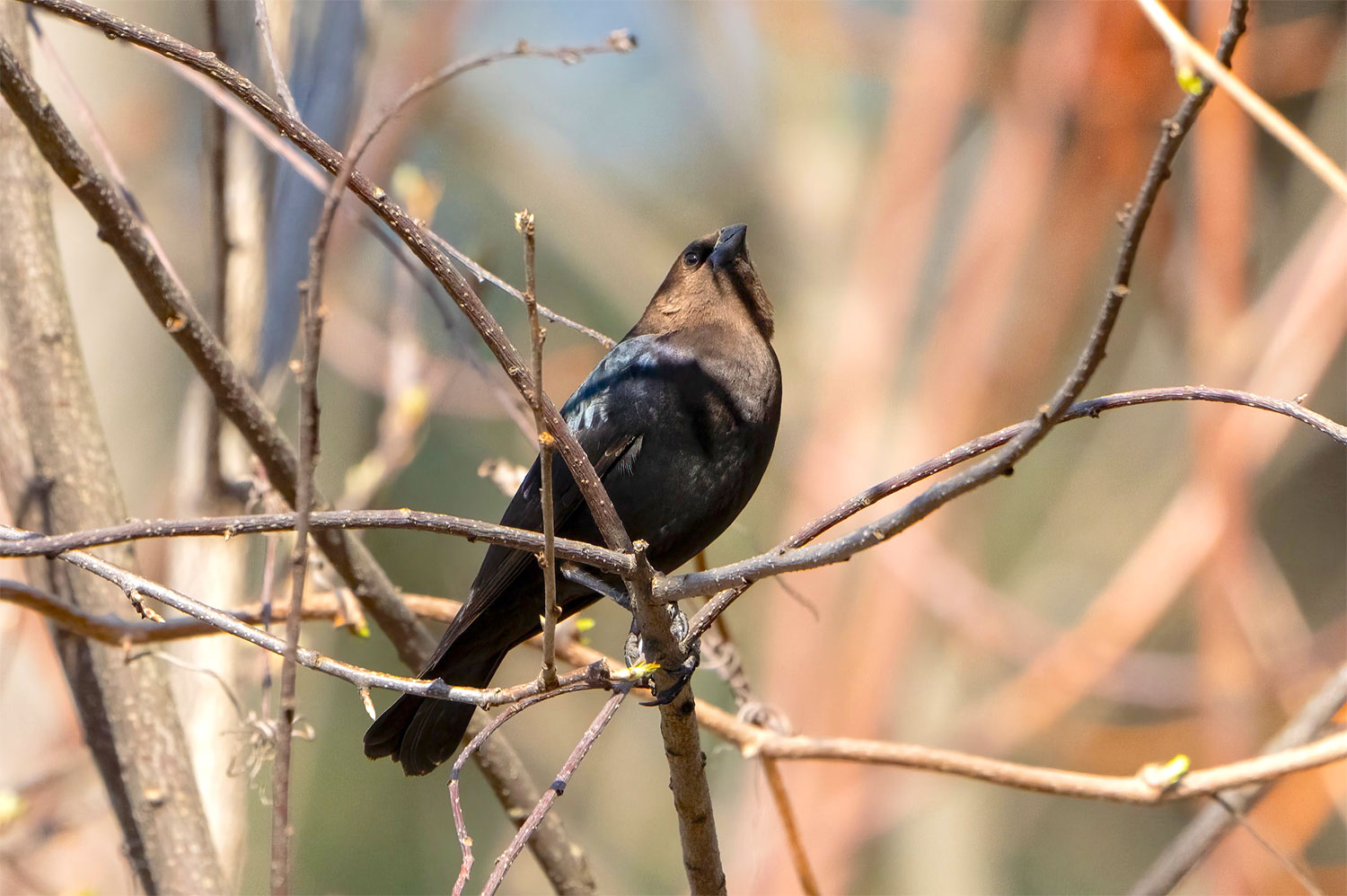
Brown-headed Cowbird
The parenting world isn’t always that brutal for birds, but it is relentless. Some species, like our state bird, the American Robin, seem to thrive under the pressure of raising young. While most species lay one clutch of eggs, American Robins will often raise two or three clutches in a summer. Not to be outdone, Mourning Dove pairs raise three to six clutches, though they keep each clutch to two eggs. Killdeer, which lose more than 50% of their young, can raise multiple replacement clutches if need be. It doesn’t help that the short shorebird likes to nest in flat ground habitats like beaches and golf courses. If a Killdeer notices a human or predator near its nest, it will often distract them by feigning an injury and moving the threat towards a dummy nest. It’s a fun sight to be witness to, but try not to give the birds too much trouble. Parenting is a stressful enterprise!
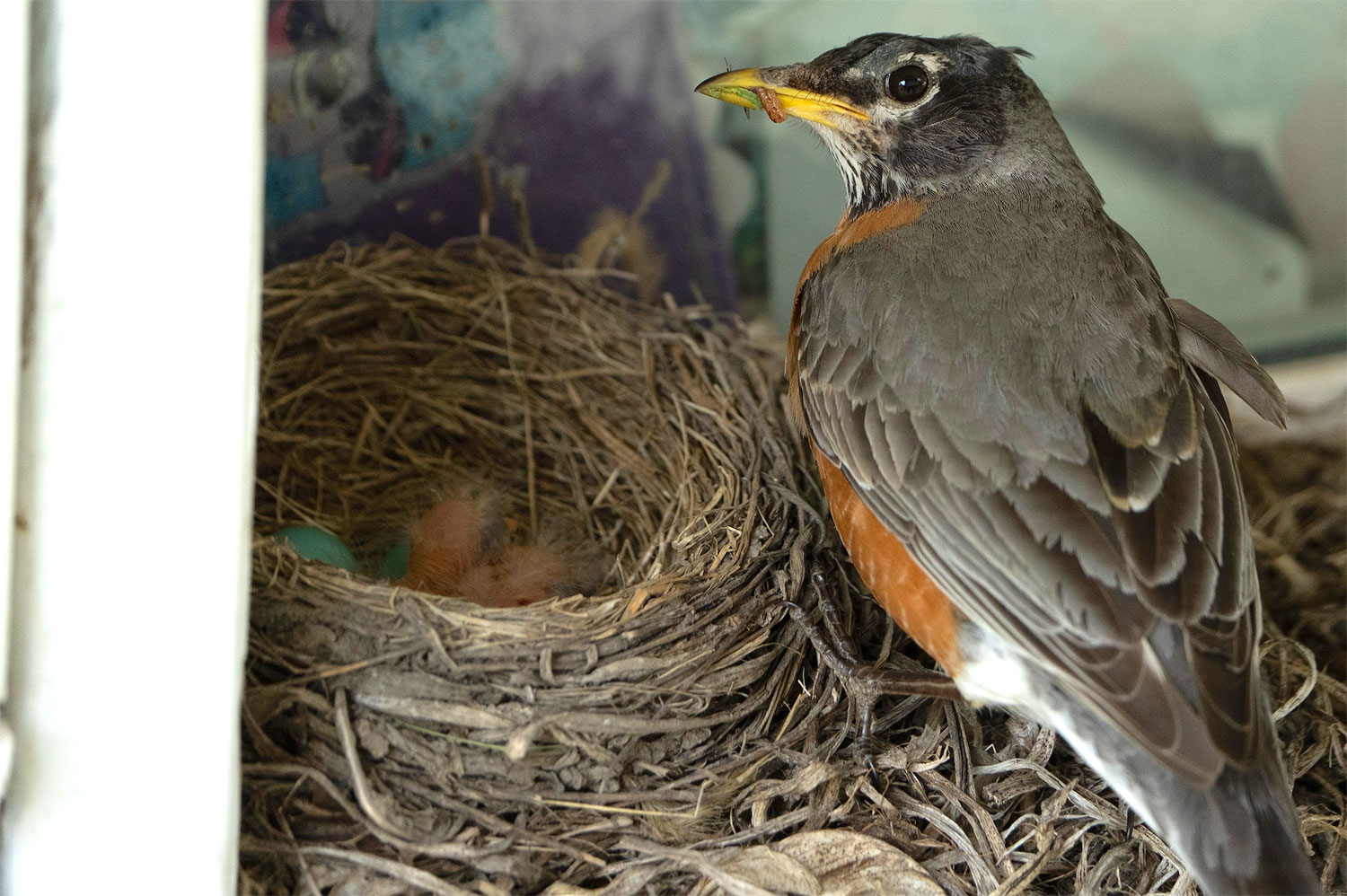
American Robin nest
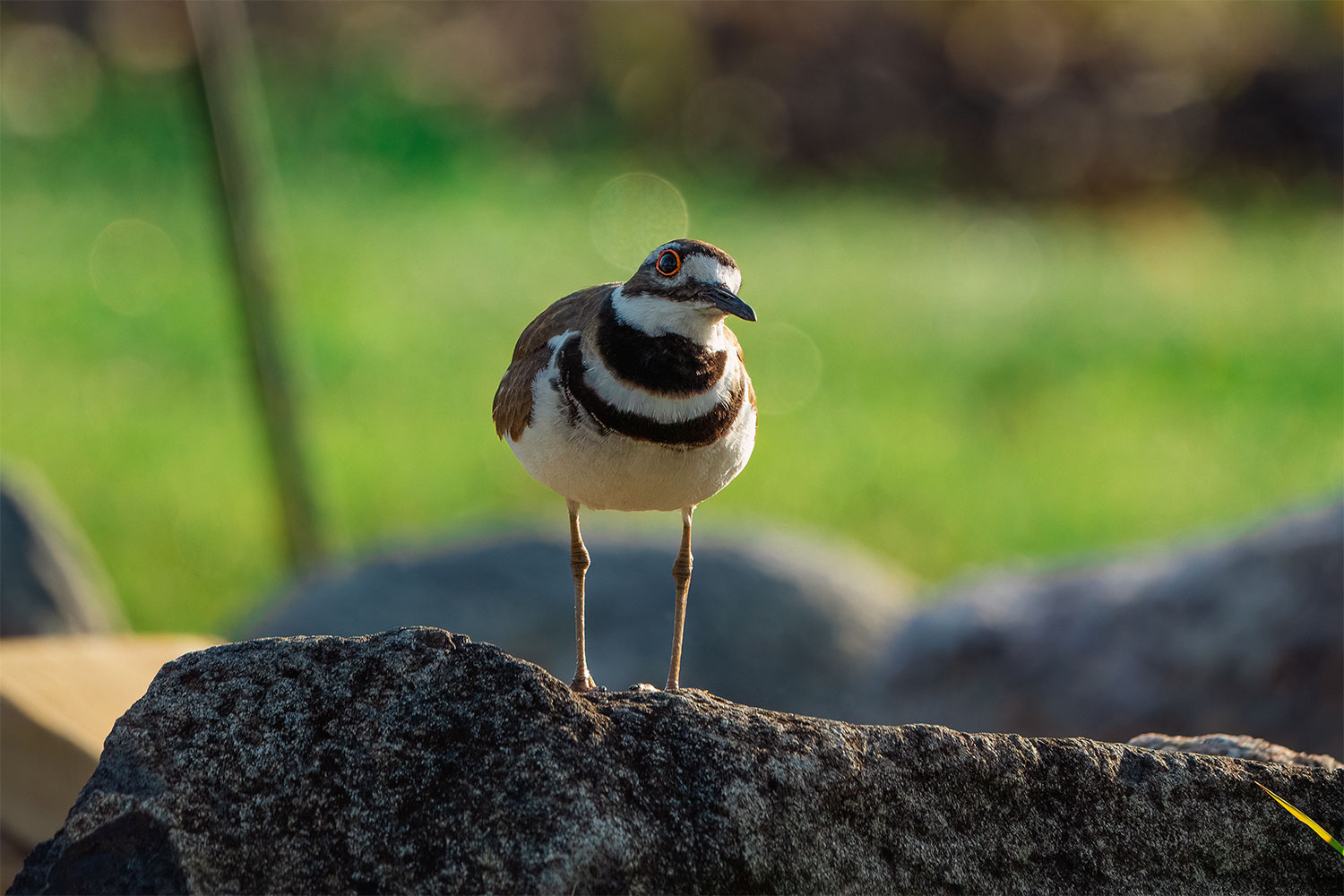
Killdeer
Warmth Watch
Navigating the dramas of birds becomes a difficult task for the bird enthusiast. While spring is filled with song and first tree blossoms, summer can feel eerily quiet at times. Birds use the full cover of leaves to shelter their nests. Adults, who earlier in the year sang never-ending ballads, reduce their noises to chits and quick alarm calls. No longer concerned with attracting a mate’s attention, adults will molt their colorful feathers for dull ones that blend in with their surroundings. It’s best to keep this hectic domestic life under wraps.
Yet here we are as humans—summer is our apex for adventure and exploration. Where should we go to seek out birdlife during the season of high heat? My tip: go early, and go where there are many people or go where there are few. A bustling city park is filled with birds accustomed to human foot traffic. As the summer progresses, first-year birds looking for a space to call their own commonly congregate in busy areas that older birds have passed over. Conversely, kayaking down a river will bring you face-to-face with hidden habitats filled with life. Ospreys, eagles, and wading birds like Wisconsin’s three heron species are often found fishing in these covert waterways.
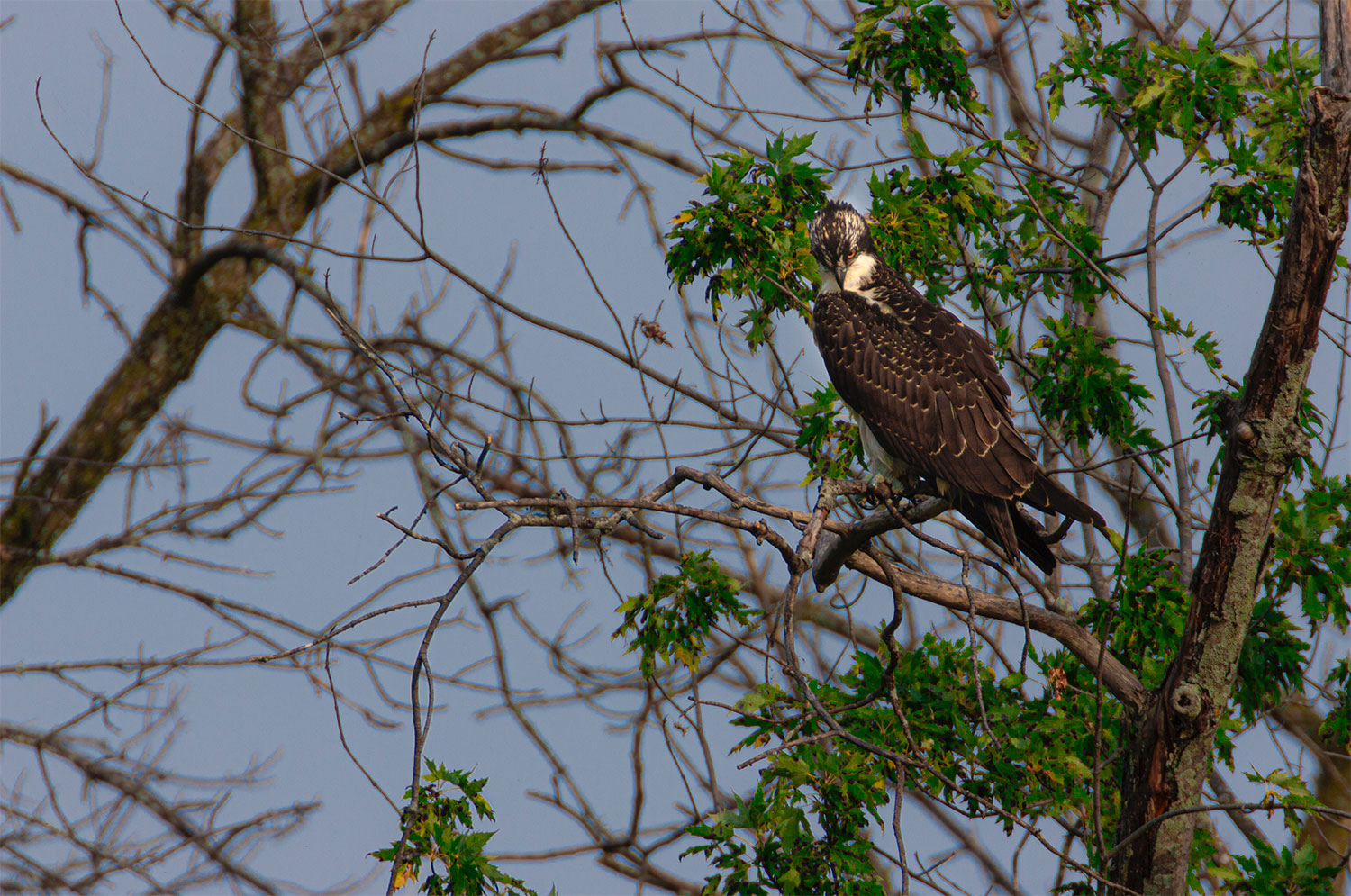
Osprey
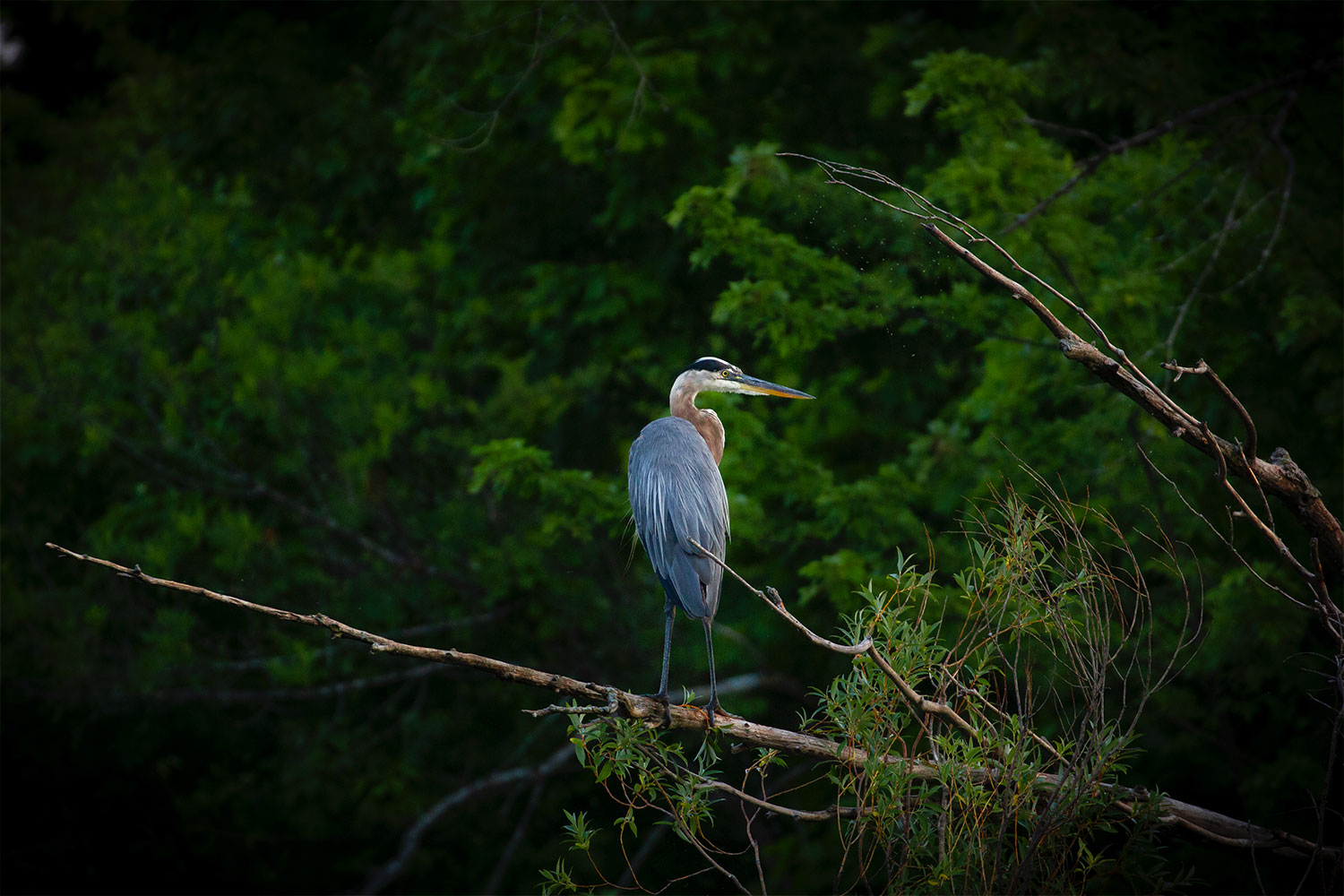
Great Blue Heron
There’s nothing like watching the first catch of the day just as the sun’s rays bring us into another day, or watching the first migrants leave the state in July and August. As soon as the comfort of summer hits us, Killdeer and many shorebirds start flying south. On select August nights in the city, you might find hundreds of Chimney Swifts doing donuts above an industrial shaft. These metallic roost sites are an important habitat for the swifts, as their natural ones have been replaced during humanity’s rise. Their nighttime aerobatics are a hypnotic whirlwind worth remembering summer by.
Want more Milwaukee Record? Subscribe to our free weekly newsletter and/or support us on Patreon.
RELATED ARTICLES