
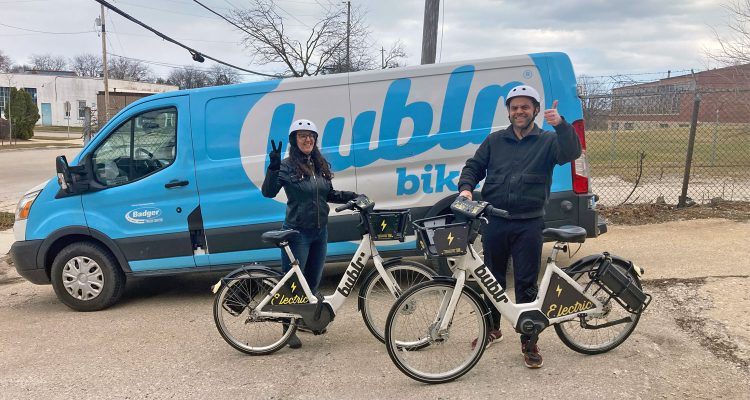
In an era of Silicon Valley-based mobility junk cluttering the sidewalks and treating cities like prototype testing, Milwaukee has something better: Bublr Bikes. Their strategically placed stations have become a familiar part of the local landscape, but the system can seem almost invisible once you get used to it. What most people probably don’t realize is that Bublr Bikes is not powered by some huge staff working out of a giant warehouse. It’s a small nonprofit team doing the satisfying work of rebalancing bikes, swapping batteries, making repairs, and keeping stations functional across the city. To see how all of it actually works, I spent a day tagging along with the people who keep Bublr Bikes moving.
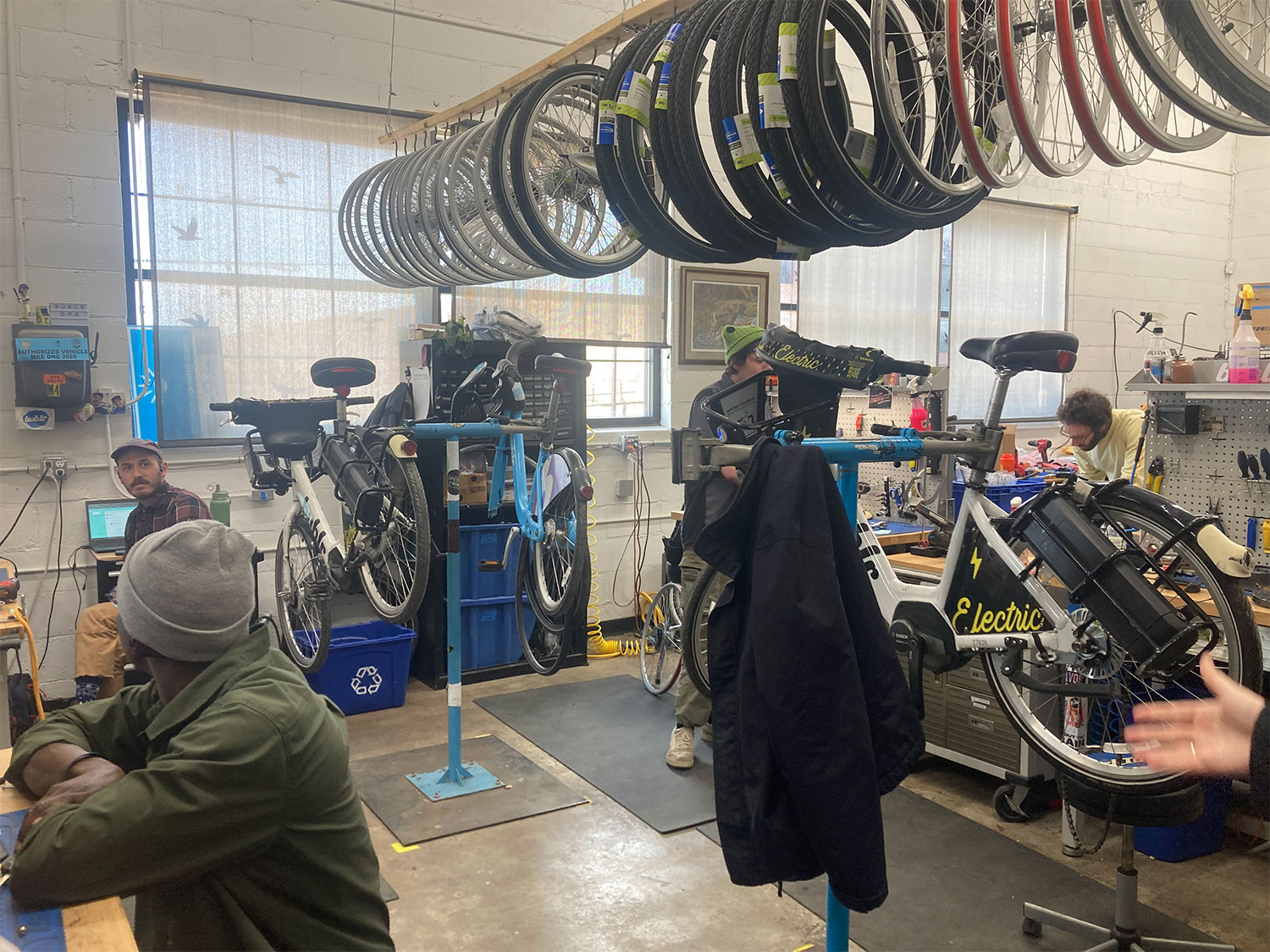
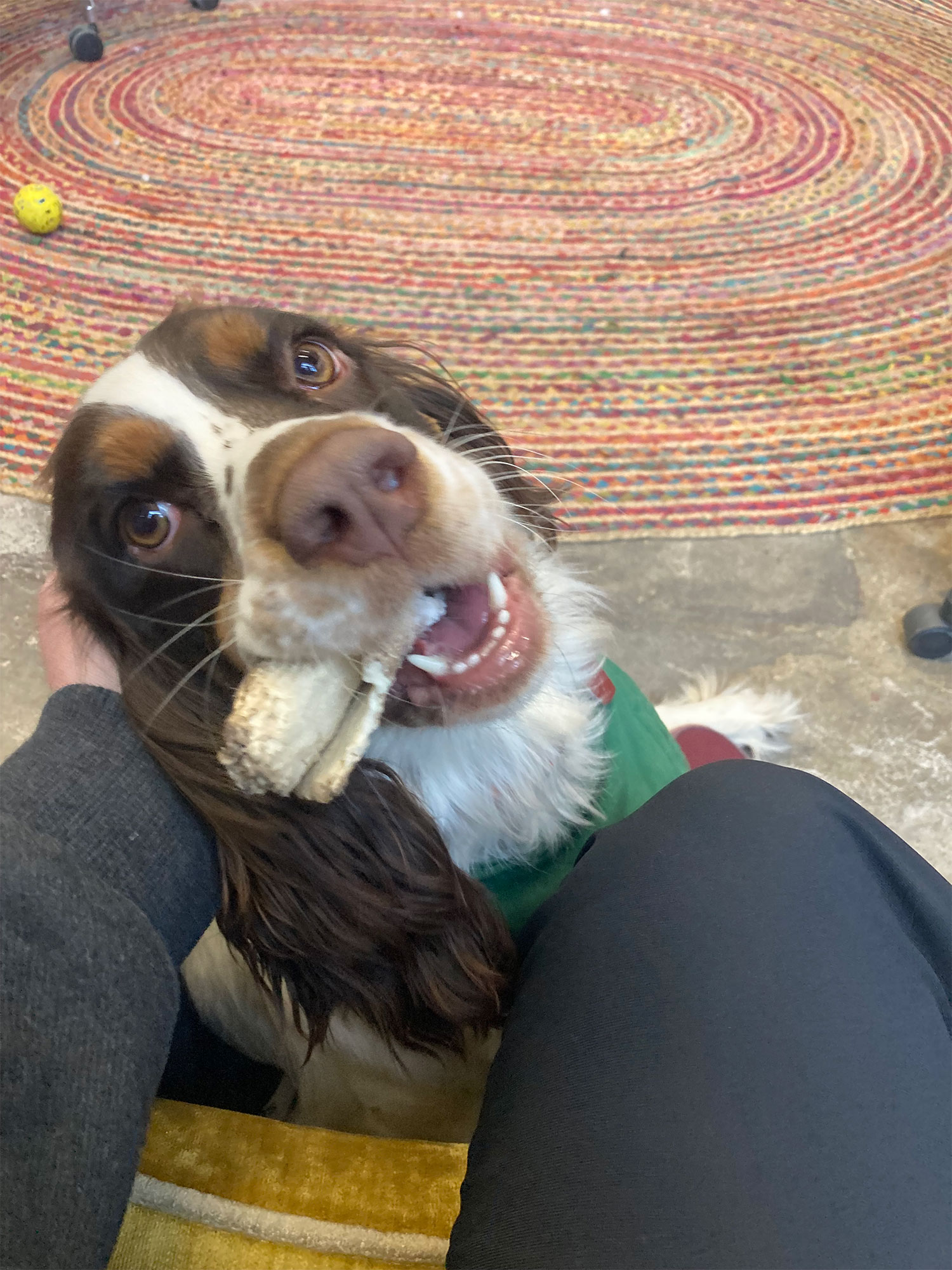
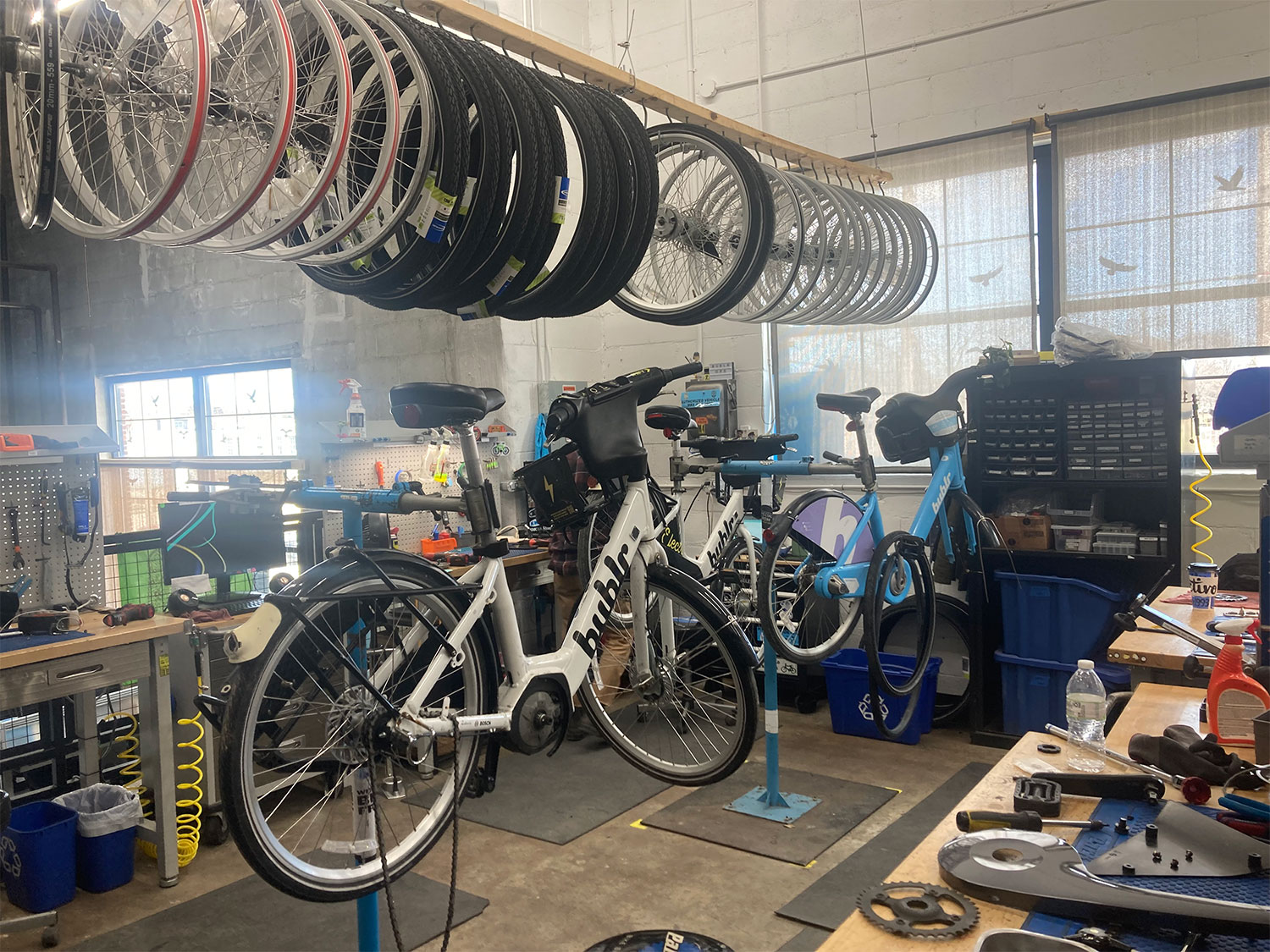
Entering the humble square footage of Bublr Bikes’ Riverwest headquarters, I was immediately introduced to the star of the office: Duster the dog, who stole the show before I could fully take in the small shop of hanging wheels, half-repaired bikes, batteries, docks, and just enough room for a couple desks and a couch where I briefly made myself comfortable before remembering my purpose for the journey.
Before I followed anyone out into the field, I spent time talking with Executive Director Ted Chisholm, Senior Operations Director Emmy Yates, Station Director John Dereszynski, and Outreach and Engagement Manager Eleni Jacobson, who helped sketch the bigger picture: Bublr Bikes’ nonprofit mission, its 2.0 expansion initiative, and the small-team logistics required to keep a growing bike-share system useful.
Small Team, Citywide Job
Before getting into the fieldwork, it helps to zoom out from the compact bike shop and look at the broader picture. From a distance, a Bublr Bike can look like just another urban mobility brand, but Chisholm quickly corrected that impression.”We’re a nonprofit, and at the end of the day, our goal is to provide a sustainable bike share system for Milwaukee, Wauwatosa, West Allis, and everybody who lives in each of these communities.”
That mission is unfolding during a major growth phase. Bublr 2.0, described by the City of Milwaukee as the largest investment in the bike-share system since its 2014 launch, is set to add 800 e-bikes and 965 new docks while pushing the network into new neighborhoods and placing stations closer together where demand is strongest. The goal is to make Bublr Bikes more useful for daily trips and more accessible to riders.
Unlike dockless scooters, the Bublr Bikes system is planned, docked, and intentionally placed around how people move through the city. It shapes the daily work required to keep the system dependable. “We actively have staff out balancing the bikes every single day to ensure that when you get to a station, there’s a bike there,” Jacobson said.
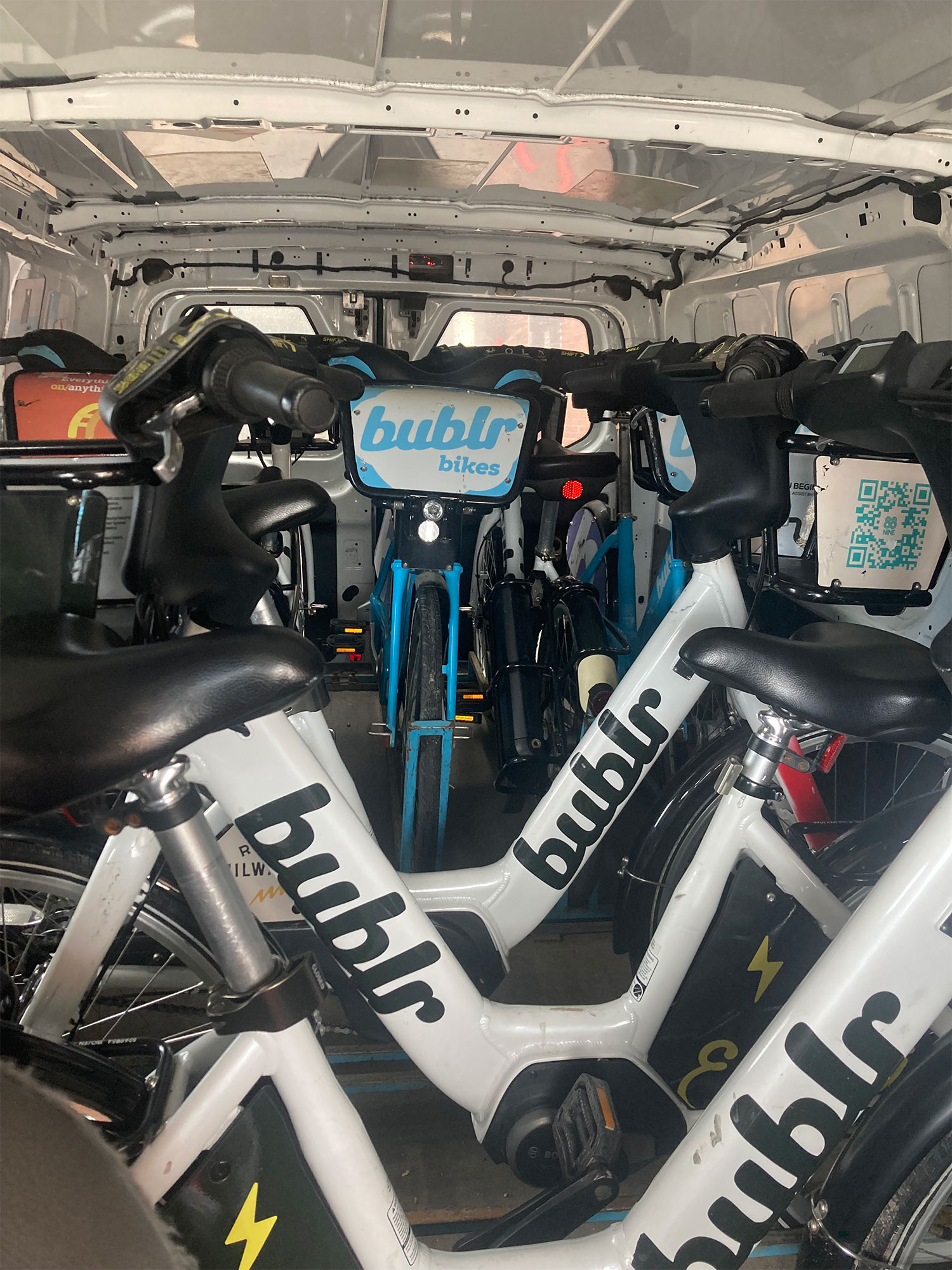
The operation is actually very small, with a total of 13 people on staff. There isn’t a fleet of vans maintaining these bike stations. According to Yates, operations relies on “one van…a 2015 Ford Transit,” while technicians monitor a color-coded station map and work to keep the system “as green as possible,” meaning evenly distributed bikes across the city.
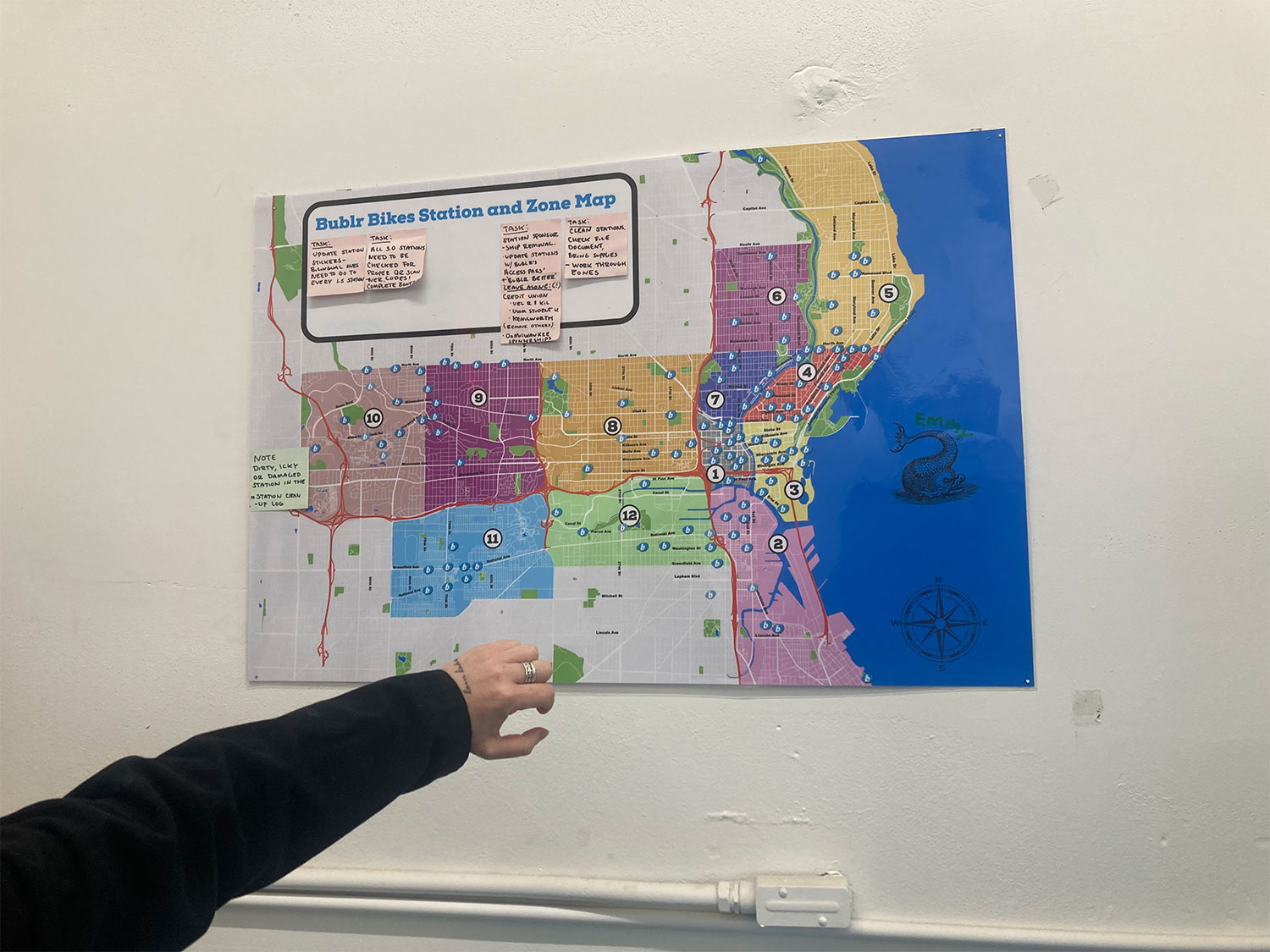
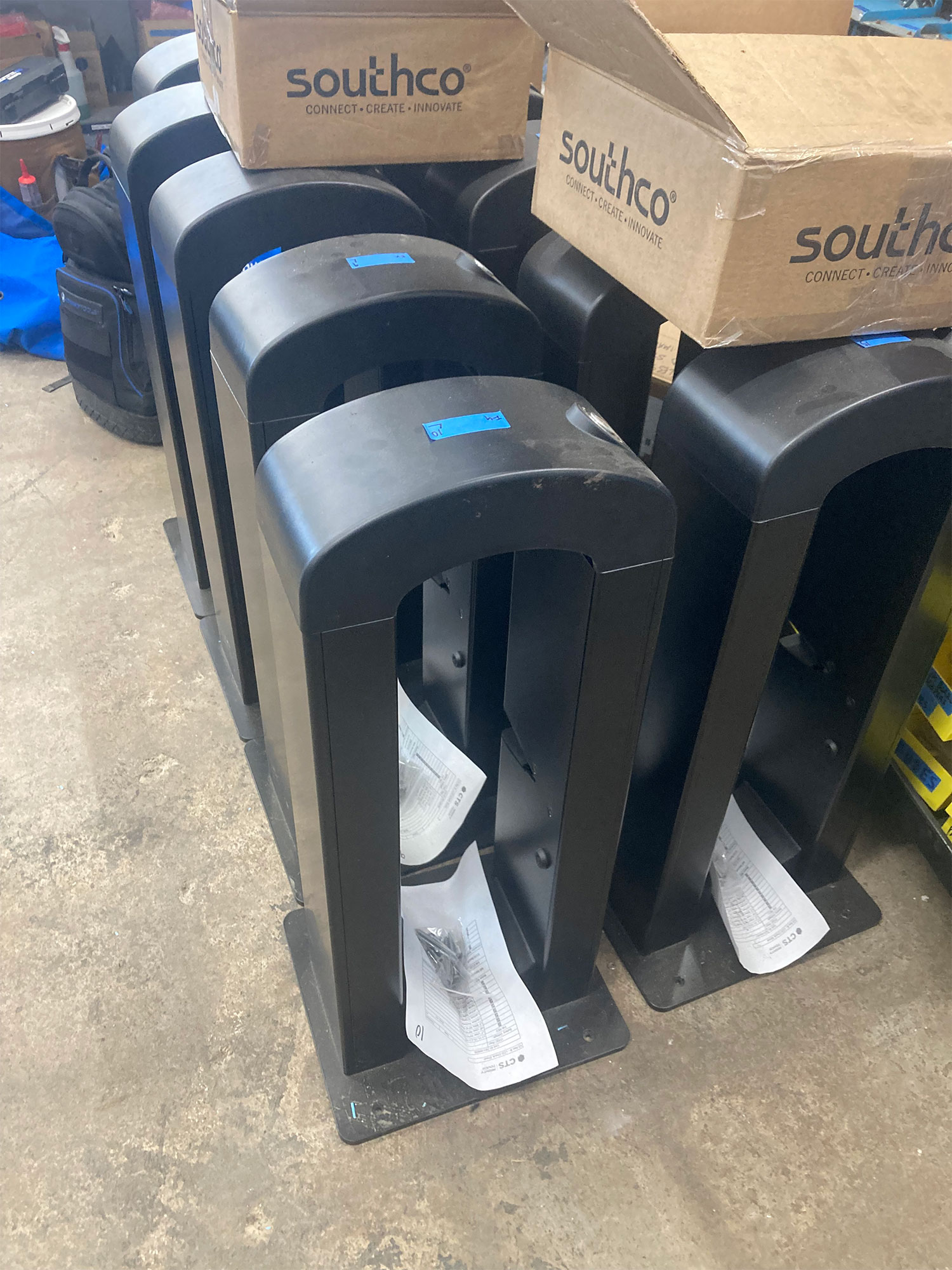
And the bikes are only part of the equation. The physical network they plug into requires its own constant planning, maintenance, and adaptation. Dereszynski explained that older Bublr Bike stations took up more space and needed power, which meant there were plenty of places the system simply could not go. The new modular docks have changed that, giving the staff far more flexibility and opening the door to neighborhoods where a station once was not possible.
The Bike Hospital
Wheels and tires hung overhead like jingle bells above dueling rows of repair stands and bike parts. This is where I met Service Manager Jordy Melrood, who oversees fleet repairs. In this compact space, Melrood and his team are constantly ordering parts, assigning work, training staff, and fixing bikes themselves. Because Bublr Bikes is a public bike-share system, the damage can get strange on a regular basis. Melrood said repairs often stem from vandalized bike forks and bikes being ripped out of docks, with some returning “all chopped up to hell.” During peak season, just three to four people are responsible for repairing hundreds of bikes. And those bikes come back in all kinds of conditions. One had apparently been bejeweled. Another came back “Frankenstein painted,” which is amusing in theory but less so in terms of brand standards. The bikes themselves are fairly simple, but repairs take longer because of the security features built into them.
This was also where I met Darien “D” Carbine, the weekend operations manager, who started three years ago as a CLIPS student at UW-Milwaukee through the Community Leaders and Internship Program, which places UWM students with local nonprofits so they can build skills while being paid by the university. Though that chapter is now in the rearview mirror, Carbine stuck around. “We do so much work with so little people. I know everyone here. I enjoy the work I do. It’s holistic, it’s fulfilling, I love my job.”
The Hardware On The Ground
Bublr Bikes’ station network is growing and currently sits somewhere between 150 and 180 stations, with some operating seasonally. Even so, the stations themselves require constant attention, and just two people are responsible for maintaining them: Derezynski and Tom Wanderer, who some WMSE listeners may recognize as the host of The Tom Wanderer Radio Experience. Wanderer has been with Bublr Bikes for two years, and he and Dereszynski are responsible for maintaining the system’s ground-level hardware, including stations and docks. Their work ranges from installing new equipment and troubleshooting connectivity issues to replacing solar cells and handling repairs.
“Working in a general way for the public good and being outside all the time, I really like that a lot,” Wanderer said. He added “every day there is so much work to do,” and that the team is never “twiddling our thumbs.” As Jacobson put it, “it’s a small team, big impact over and over and over.” All told, the repairs are only half the story, because getting a bike back into shape is one thing. Getting it back on the streets is another.
The Daily Shuffle
This is where I meet system technician Sharrieff Patterson, Bublr Bikes’ go-to guy for redistribution and the captain of the 2015 Ford Transit. I felt like his first mate for this trip out to sea. Like a captain reading a chart, Patterson broke down the internal map the operations team uses to monitor the system in real time. “Green is good,” he said. “Orange is almost full. Red is empty.” The goal is to keep the system balanced so that, ideally, every station has a bike available when someone needs one.
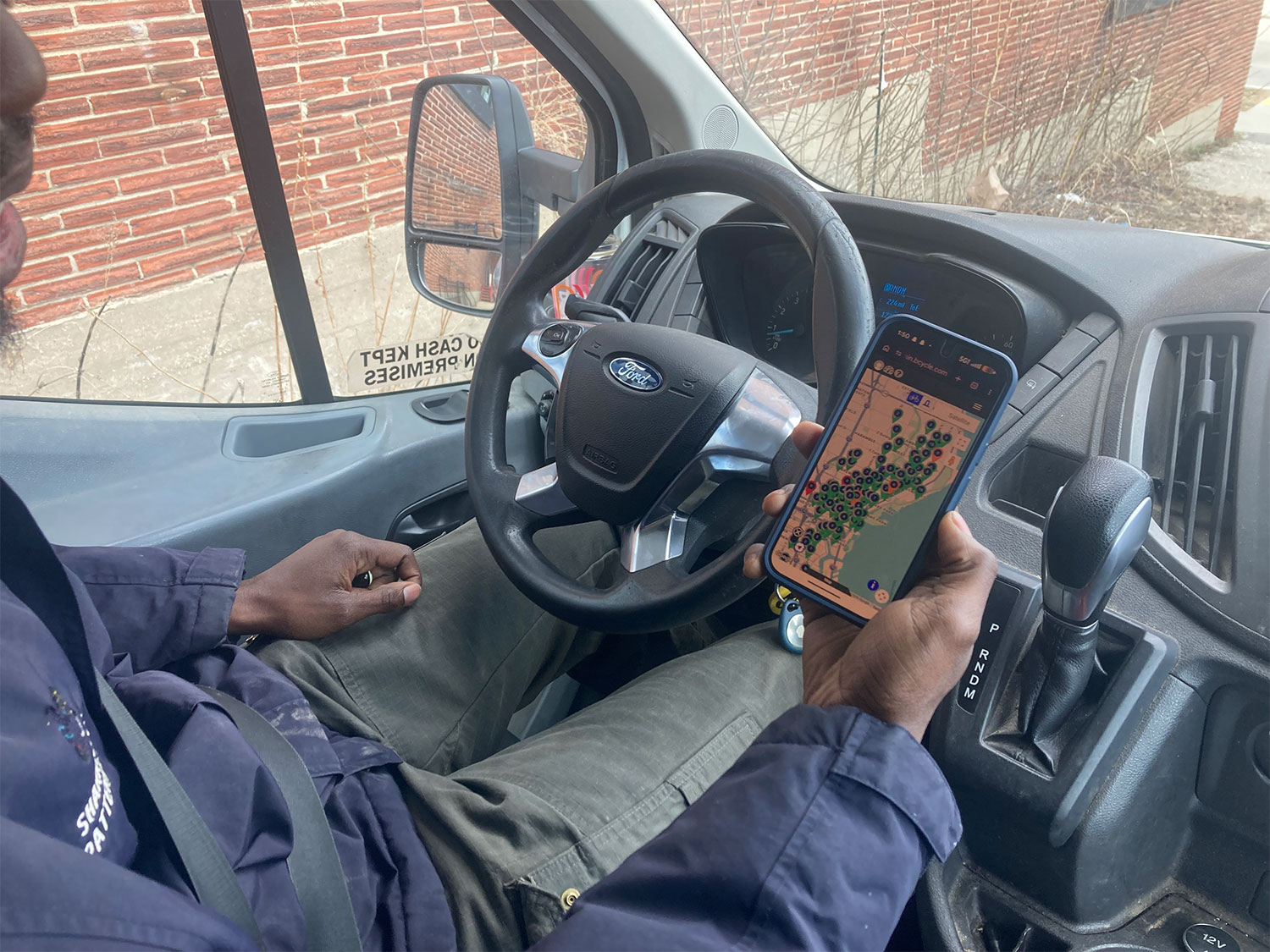
Patterson told me that some stations demand more frequent attention than others, especially around UWM, the East Side, the Third Ward, and Downtown during major events. Sometimes the job also turns into a retrieval mission. Riders will occasionally abandon a bike after something goes wrong, like a slipped chain, which means Patterson has to track it down wherever it was reported left behind. By the time those bikes are found, they are not always in great shape, and they often end up back at headquarters for repairs. “We do our best, right?” he said. “We do our best.”
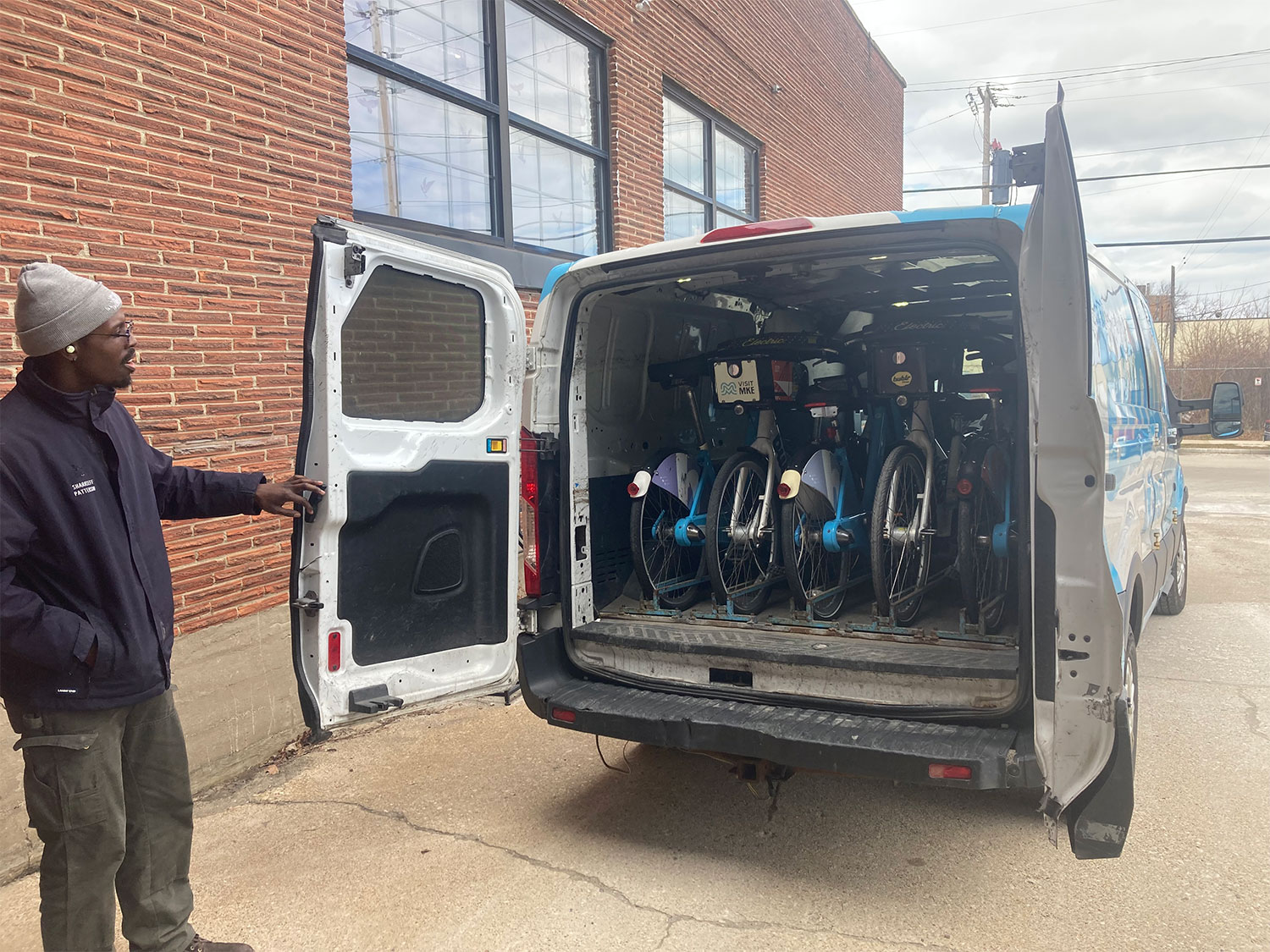
Arriving at Schlitz Park, the mystery of redistribution became clear. A station that had shown up on the map as needing help was now right in front of us, short on bikes and in need of a refill. Together, Patterson and I pulled the newly repaired and ready bikes and reintroduced them to the public. It was practical and enjoyable work that keeps the whole system from falling apart.
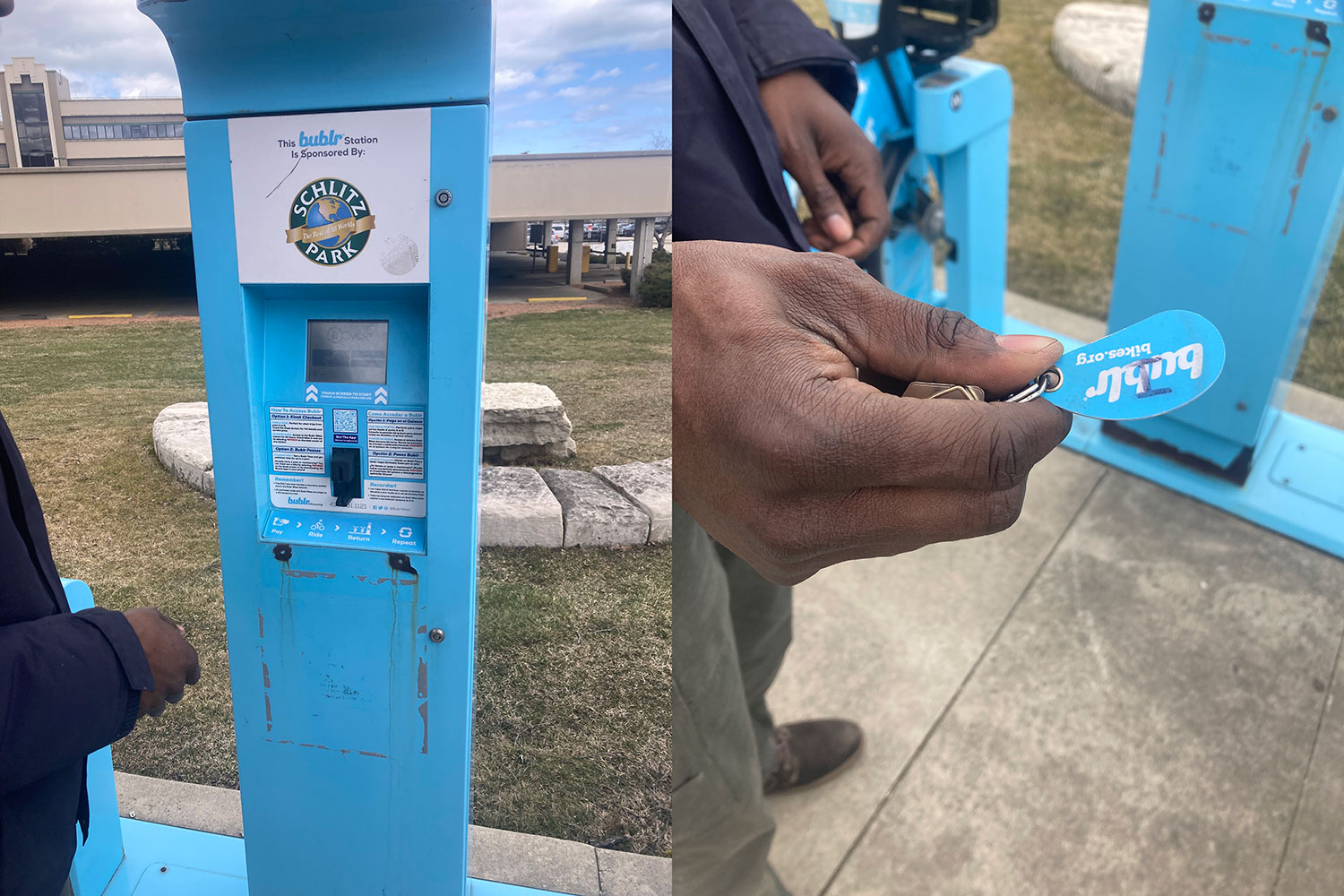
Talking with Patterson in the van, it was pretty clear that this wasn’t just a job to him. “I love biking because it allows me to get out the energy, whatever emotions that I’ve had throughout the week,” he said. “I’ve never had a bad bike ride, even in the rain.” A sentiment I shared completely, and soon enough I’d be hopping on a bike to see the city from a Bublr Bike point of view.
A Better Way To Move
Pulling back up to headquarters, I met back up with Outreach and Engagement Manager Eleni Jacobson for my next mission of the day. I had seen the system at work, now it was time to be a participant by riding one of the nonprofit’s e-bikes.
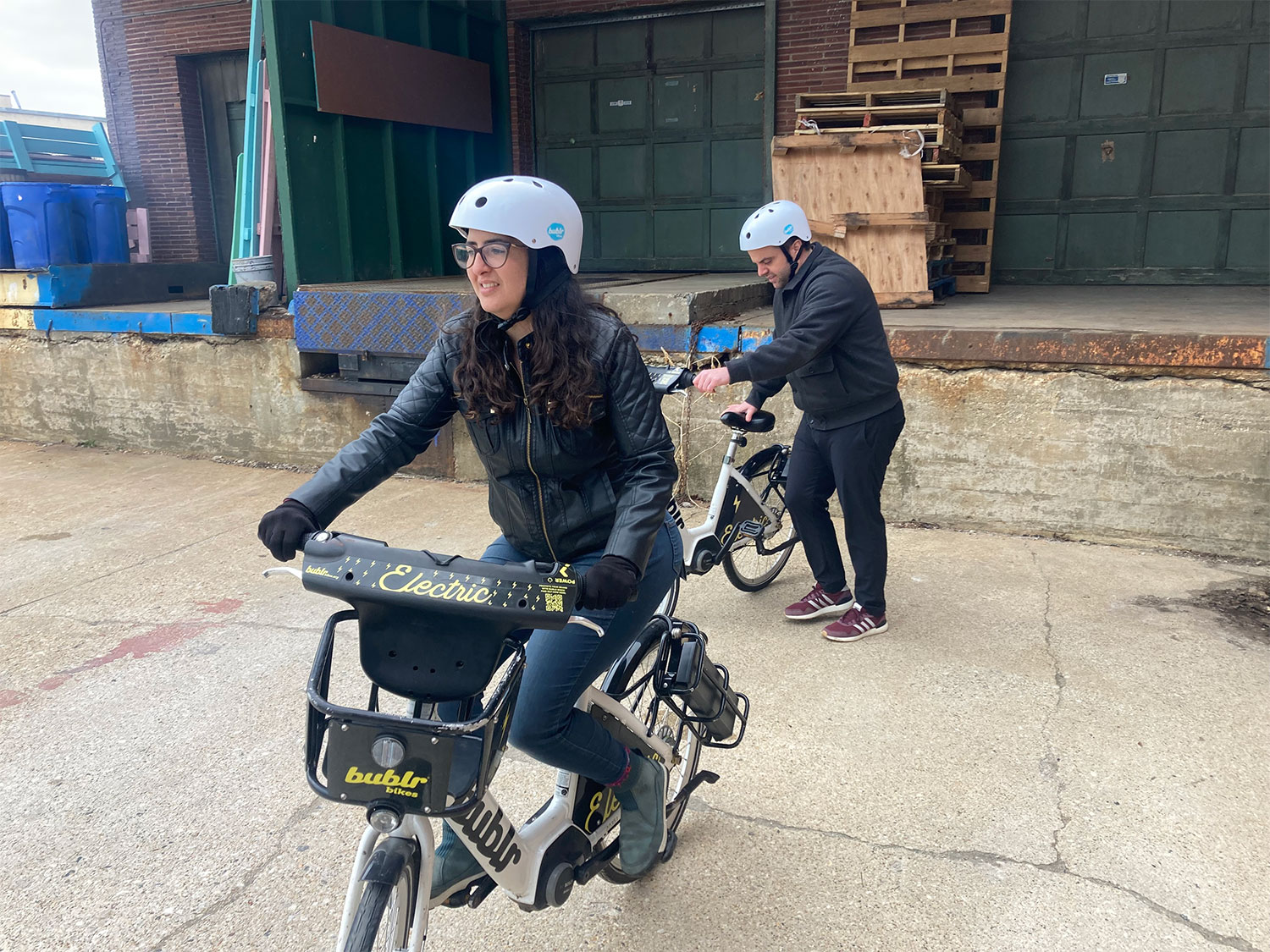
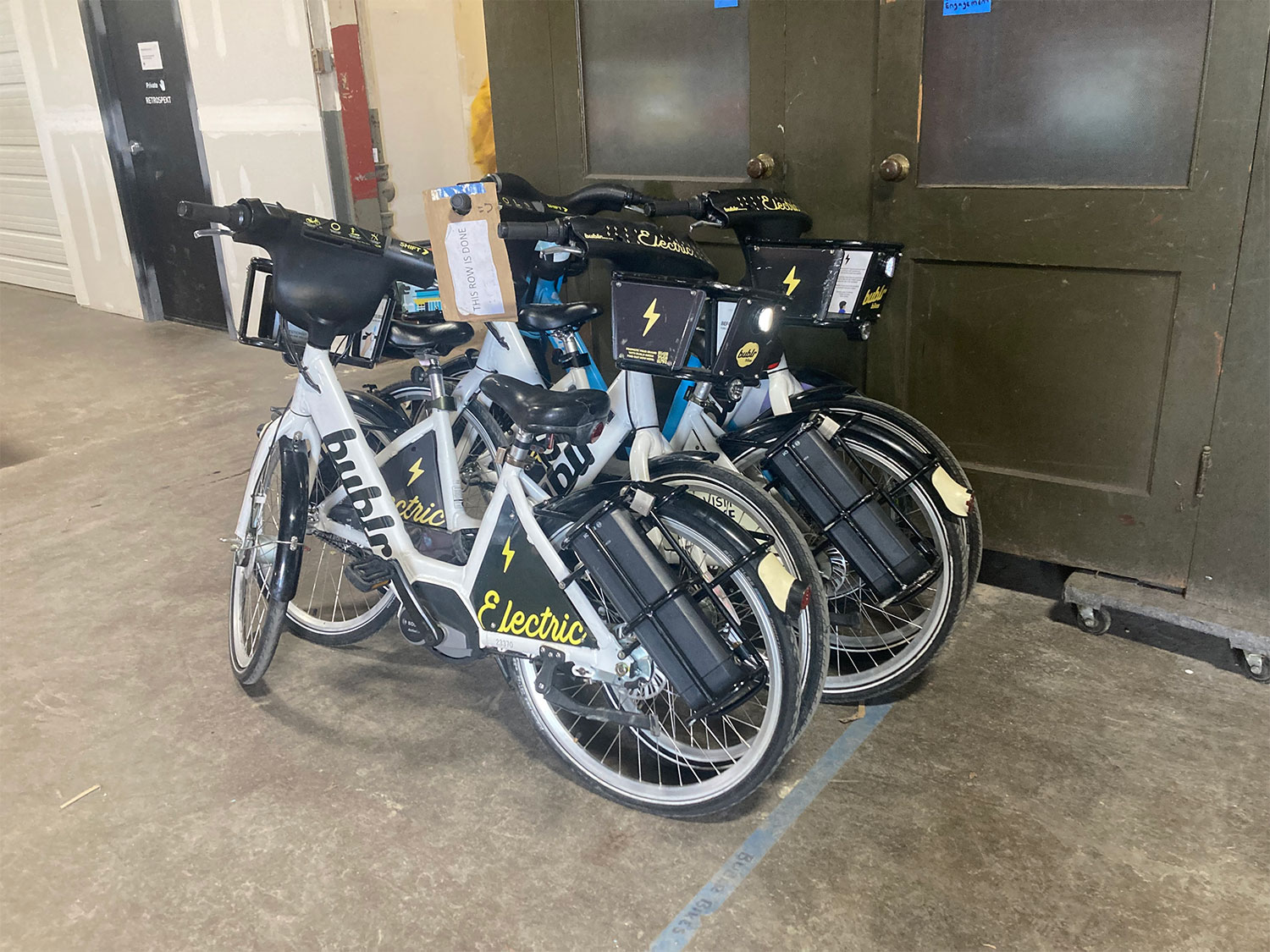
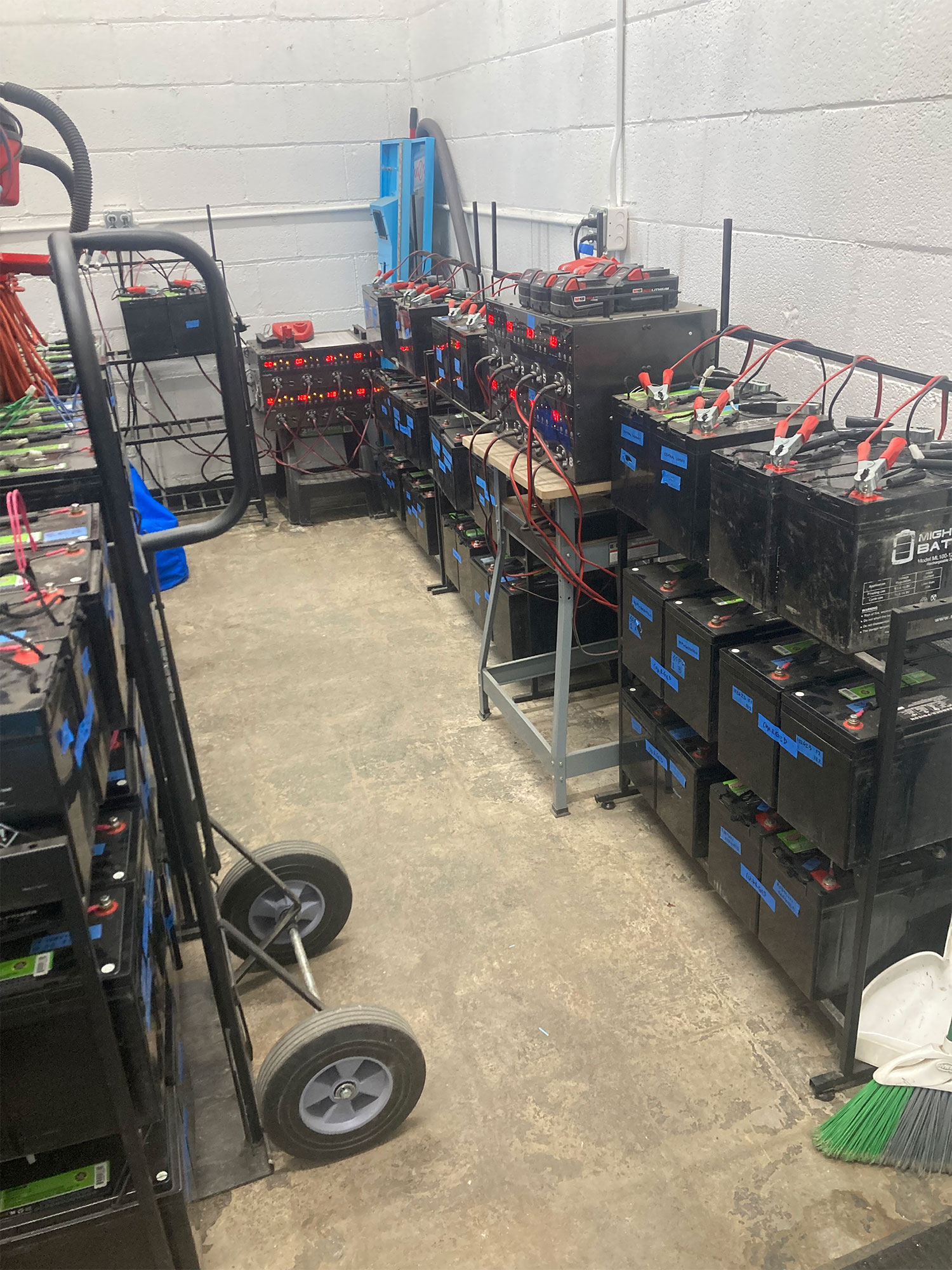
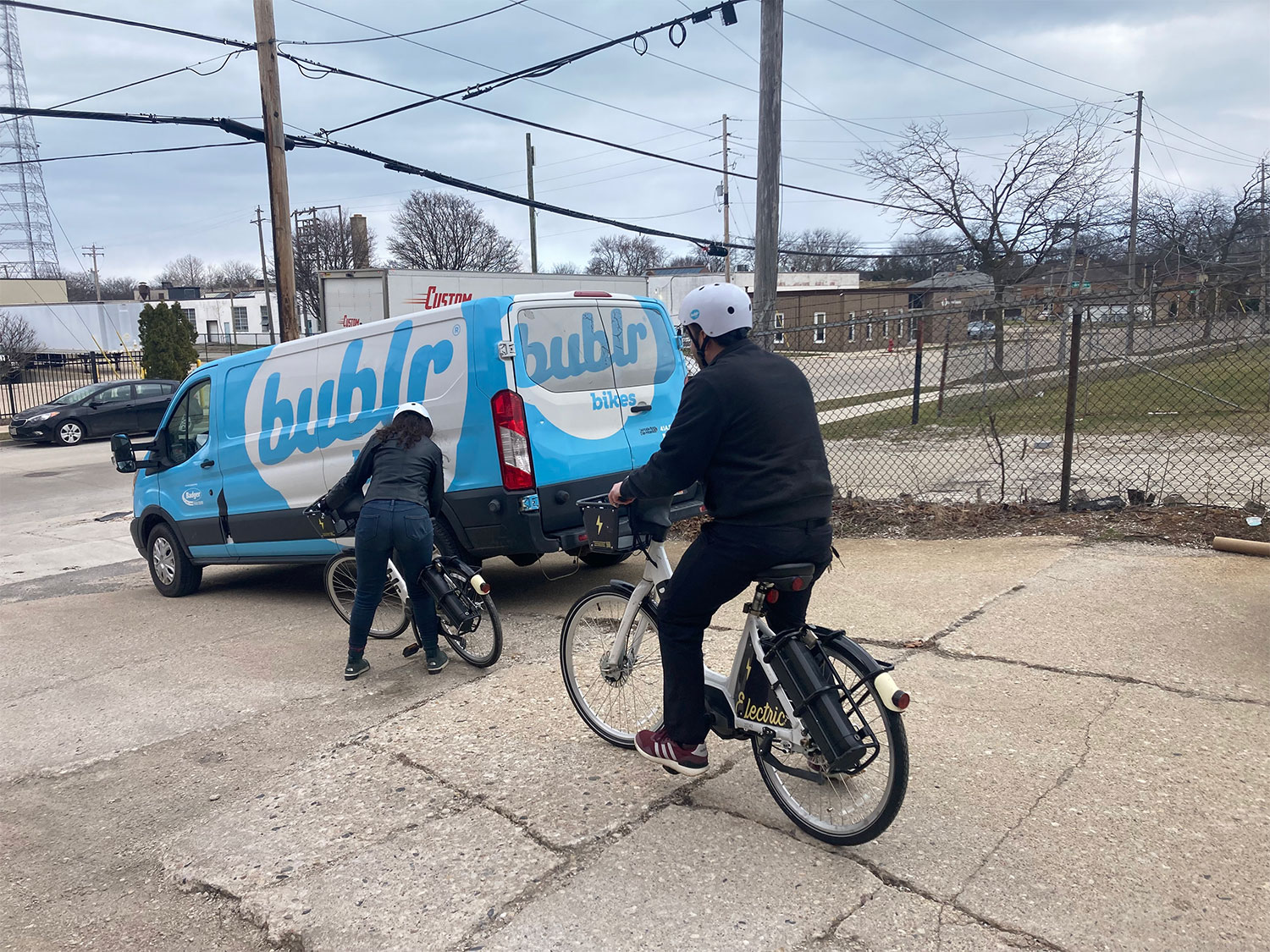
Jacobson and the rest of the team made one thing clear: these are not throttle-driven machines, doing all the work for you. These bikes provide an electrical assist through the pedals to make for an easier journey. She also noted that the stations themselves do not charge the bikes, the batteries are swapped out manually by staff, one more behind-the-scenes task added to Bublr Bikes’ daily workload. The extra push matters as they open the system to a wider range of riders, a reminder that these bikes are here less for novelty than for accessibility.
On the road, the appeal clicked for me right away. Boy, I wish I had that kind of assist on some of my rides up to Riverwest. Heading north on Humboldt always feels a little like Rocky running the steps, but I digress. As we rode, I found myself slipping into that familiar Milwaukee bike-state of mind, where the day softens and the commute starts to become its own state of zen. It was refreshing to not just feel that joy myself, but to see it so clearly shared by the people who keep Bublr Bikes running. After seeing how the team keeps the system running, Bublr 2.0 feels less like a campaign and more like a wise investment in how Milwaukee moves.
Want more Milwaukee Record? Subscribe to our free weekly newsletter and/or support us on Patreon.
RELATED ARTICLES
• Mandatory Milwaukee: Bublr Bikes are still the best—and about to multiply