
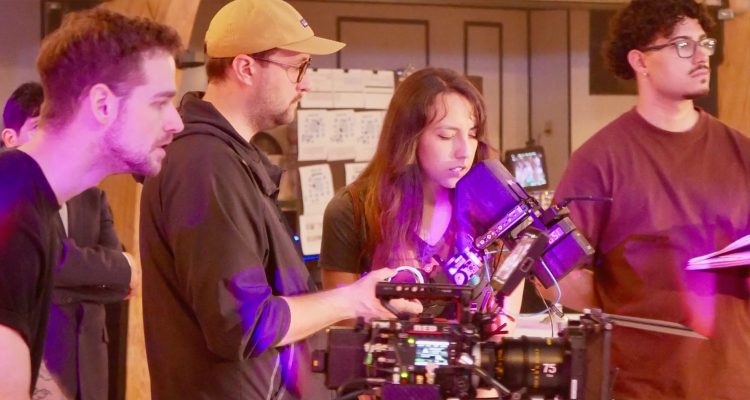
Wisconsin’s recently created film office, Film Wisconsin, announced today that six local film productions have been awarded more than $1 million in film tax credits. The films include feature films like Run For Glory: The Don Beebe Story, short films like Mis Undead Quince, and documentaries like the fantastic Bob Uecker documentary UECK.
The announcement was made in conjunction with Gov. Tony Evers, who signed the film office and tax credit program into law as part of the 2025-27 Biennial Budget.
“Film Wisconsin and our new film tax credit program are building on our efforts over the past seven-plus years to support Wisconsin’s tourism and travel industry, bring creative endeavors to our state, and showcase all our great state has to offer, and I’m excited that we’ll soon be getting this first round of film tax credits out the door,” says Gov. Evers in a press release. “These tax credits will not only help create jobs and support local businesses, but they work to support the projects that tell stories that focus on the people and places that make our state extraordinary. I look forward to seeing these incredible works come to life and many others like them in the years ahead.”
The program makes $5 million available annually “to assist the production of feature and short films, scripted and unscripted television shows, documentaries, broadcast advertisements, and production infrastructure in Wisconsin.” Here are the first six films to be awarded some of that cash:
Mis Undead Quince | $19,273
A short film from Wisconsin-based Cyclops Girl Productions in which a rebellious teenager and her Spanish-speaking grandmother must bridge generations and cultures to survive an undead invasion during a quinceañera.
RAO | $557,991
An independent feature film from Wisconsin filmmaker Sagar Brahmbhatt that follows an Indian American family’s journey as they navigate the tension between duty and dreams across three decades and three seasons in Northern Wisconsin.
Long Shot: How Bud Selig Brought Baseball Home | $167,100
A feature film from Steve Boettcher and Mike Trinklein, chronicling former Major League Baseball Commissioner Bud Selig’s unlikely quest to bring America’s National Pastime back to Milwaukee.
Run For Glory: The Don Beebe Story | $86,000
A feature film from Salty Earth Pictures telling the inspiring story of NFL standout Don Beebe, following his upbringing in the Midwest and his determination to overcome adversity.
The Warehouse | $216,000
A documentary from OmaChance Productions following an eclectic team of educators and artists working to complete Frank Lloyd Wright’s last remaining unfinished building in Richland Center, the famed architect’s hometown.
UECK | $140,008
A documentary from September Club exploring the life and legacy of legendary broadcaster Bob Uecker, revealing the humility, resilience, and love of baseball behind one of America’s most recognizable sports personalities.
Film Wisconsin is part of the state’s Department of Tourism. The press release stresses the state’s booming tourism industry, which “saw its fourth year in a row of record-breaking economic impact under the Evers Administration last year, generating a record-high $27 billion in total economic impact, or about $74 million a day, surpassing the previous record of $25.8 billion set in 2024.”
“Film and television productions create lasting economic impacts that extend well beyond the filming schedule,” says Wisconsin Tourism Secretary Anne Sayers. “Every production brings opportunities for Wisconsin businesses, workers, and communities while inspiring future visitors to experience the destinations they see on screen. Film Wisconsin is another powerful way we’re sharing Wisconsin’s story with the world.”
Is your film project eligible for tax credits? The press release explains:
To be eligible for tax credits, productions must spend a minimum of $100,000 in salary and wages for projects 30 minutes or longer and a minimum of $50,000 in salary and wages for projects less than 30 minutes. Projects may receive up to $1 million in tax credits per fiscal year. Eligible production expenses include cast and crew wages, accommodations, costs of set construction and operations, purchase or rental of facilities and equipment, location fees, and other production-related goods and services purchased and consumed within the state. Film Wisconsin will review tax credit applications monthly.
The press release also states that “prior to the governor’s creation of the new film office, Wisconsin was just one of a handful of states without a dedicated film office.”
Want more Milwaukee Record? Subscribe to our free weekly newsletter and/or support us on Patreon.
RELATED ARTICLES