
Changing of the Feathers is a quarterly series detailing the ebb and flow of Milwaukee’s seasonal bird life. You can view previous entries HERE.
OUT WITH THE OLD, IN WITH THE NEW
Fall is a time of rapid change. The constant sun and green of the summer are replaced with shifting temperatures and a cycle of ochre colors that eventually end with brown leaves piled on top of concrete. Children, once tethered only by the evening sky, are directed to spend the next nine months in rooms of traditional education as their parents seek out creature comforts like harvest, horror movies, and an oversized sweater. We slow down. We settle back into routine. We await the frenzy and joy of holidays yet to come.
For our local songbirds, fall is equally calm. Gone is the mad dash to get new mouths fed, apart from a few end-of-season stragglers. Instead, fall is about jamming as many insects down stomachs before the freeze offs many of their food sources. The goal is to get plump for winter. Molting season continues this idea, as birds like the Northern Cardinal shed their worn feathers for a new batch that’s slick, shiny, and insulation-rich.
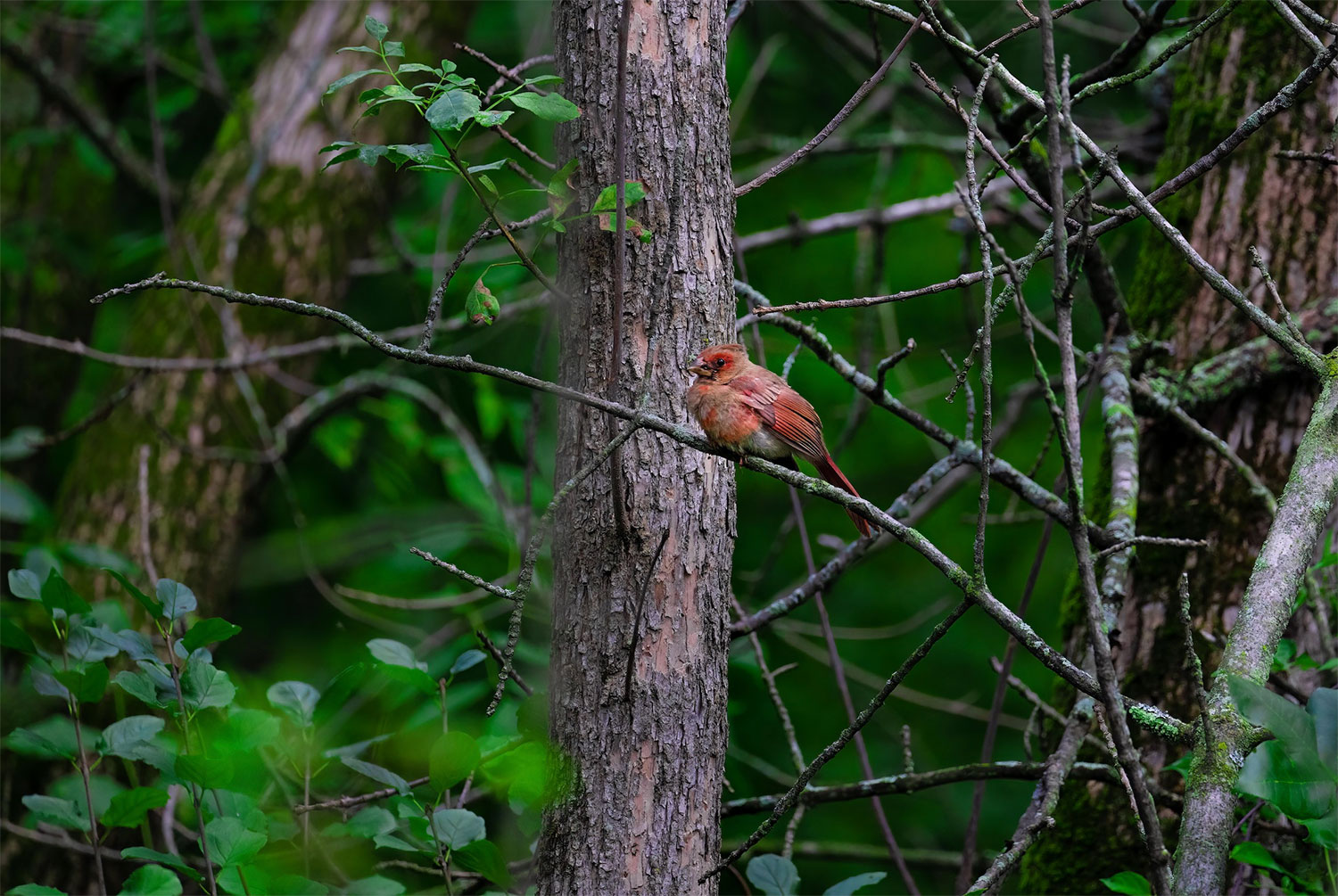
Juvenile Northern Cardinal mid-molt
Black-capped Chickadees, a bird we’ll come back to in winter (and a personal favorite), do something unusual. This button of a bird has a unique way of handling its small size. Chickadees, like squirrels, spend the fall whisking away seeds. They store them in various nooks and tree cavities across their territory. The problem? Well, they got a small head, which means they got a small brain to keep track of their winter storage system. The solution? A chickadee’s hippocampus expands in the autumn, allowing them the ability to retain their natural storage lockers. During this time, they shed brain neurons that contain irrelevant information. Their elastic memory is one of the many miracles found within the bird world.
(Side note: A nerd like me could never cope with being a Chickadee. Knowing irrelevant information is the spice of life.)
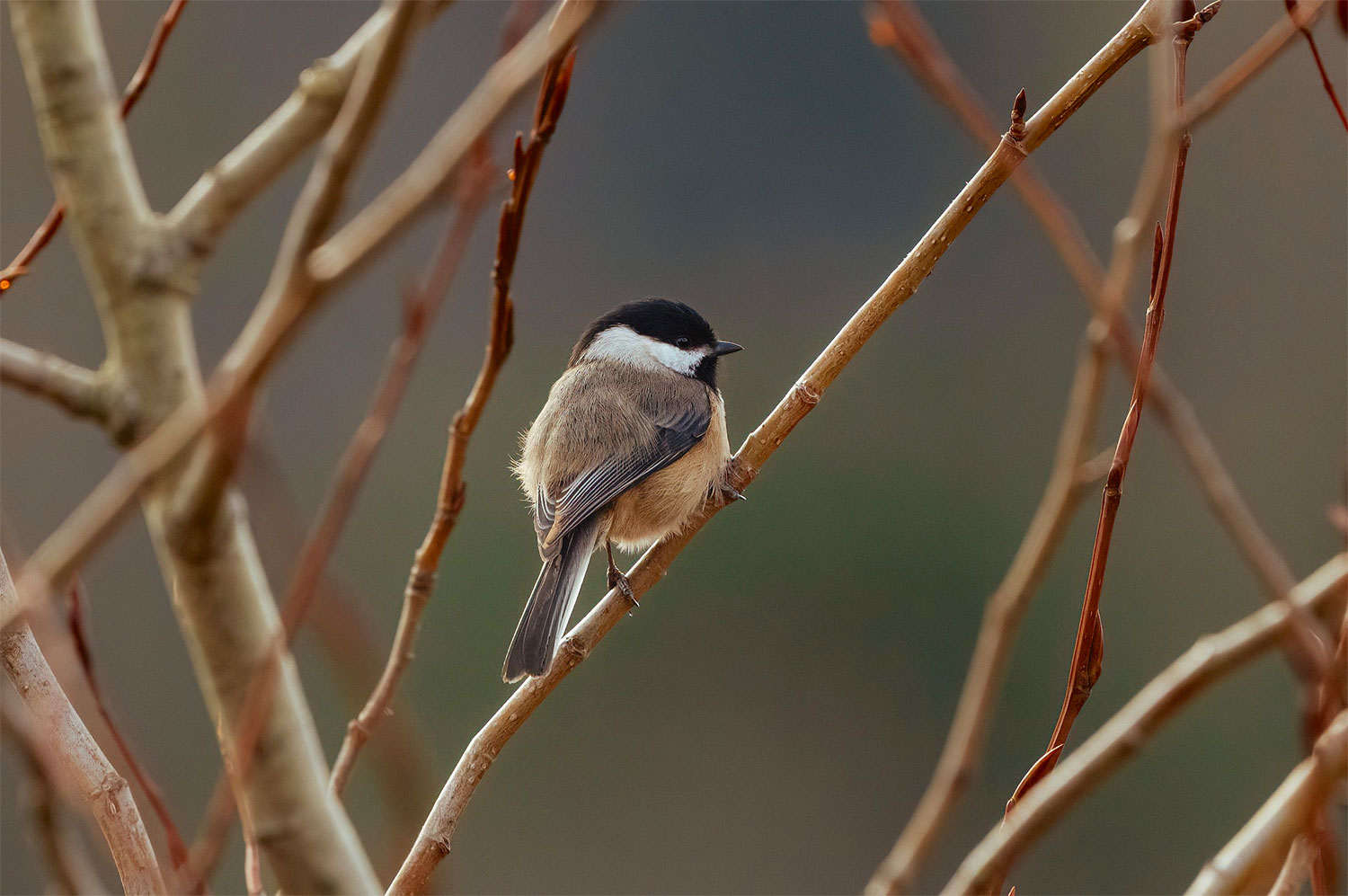
Black-capped Chickadee
THE QUIET RIDE BACK HOME
While locals prepare for Wisconsin’s winters, the majority of species leave the state for warmer weather. Fall migration is a long process that usually starts at the tail end of summer. Adult birds, eager to establish their winter homes, typically head south before their inexperienced young. Fox and American Tree Sparrows are some of the last migratory sparrows to leave the area. On certain September days, you can scope out the occasional swan and a variety of duck species whizzing south over Lake Michigan.
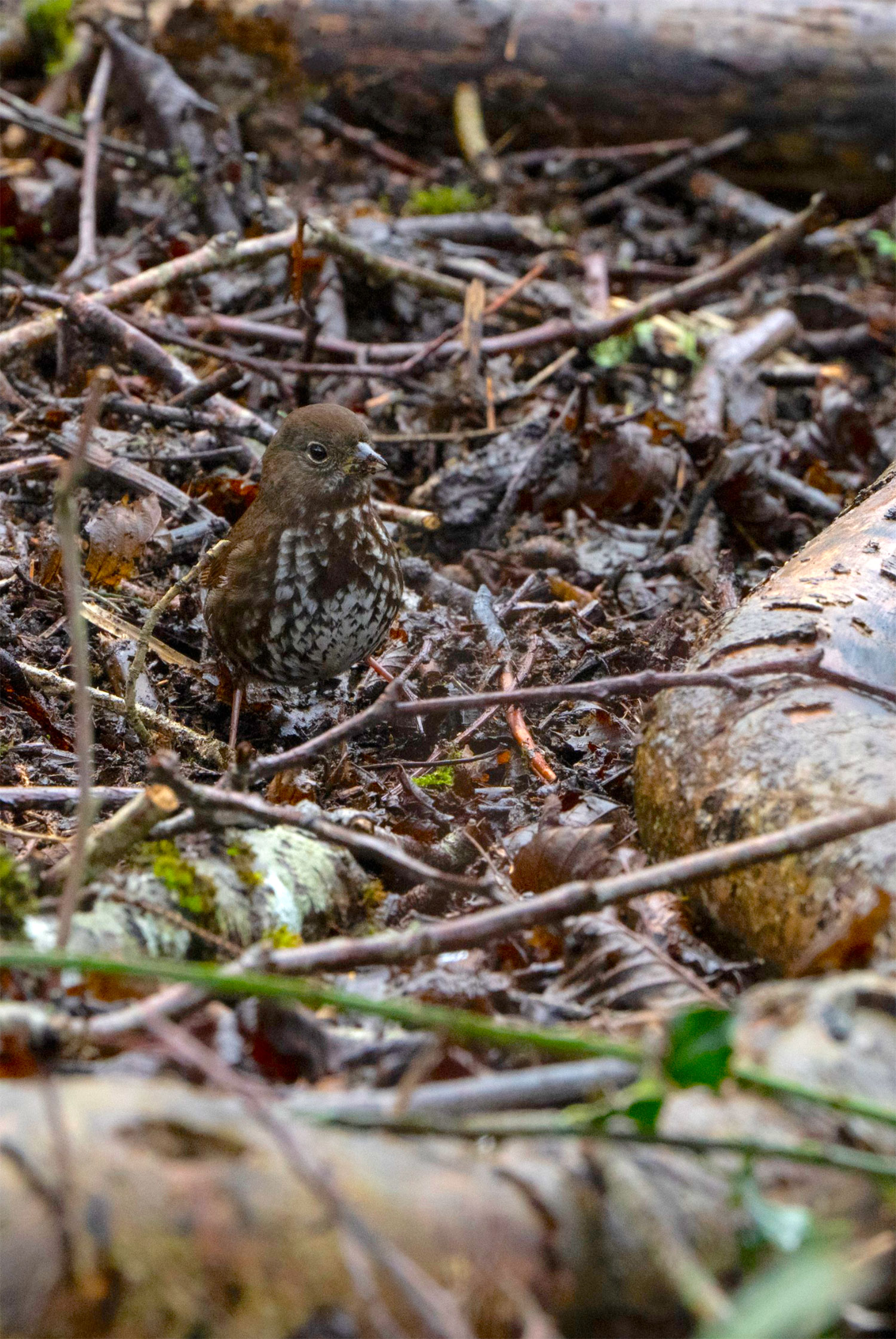
Fox Sparrow
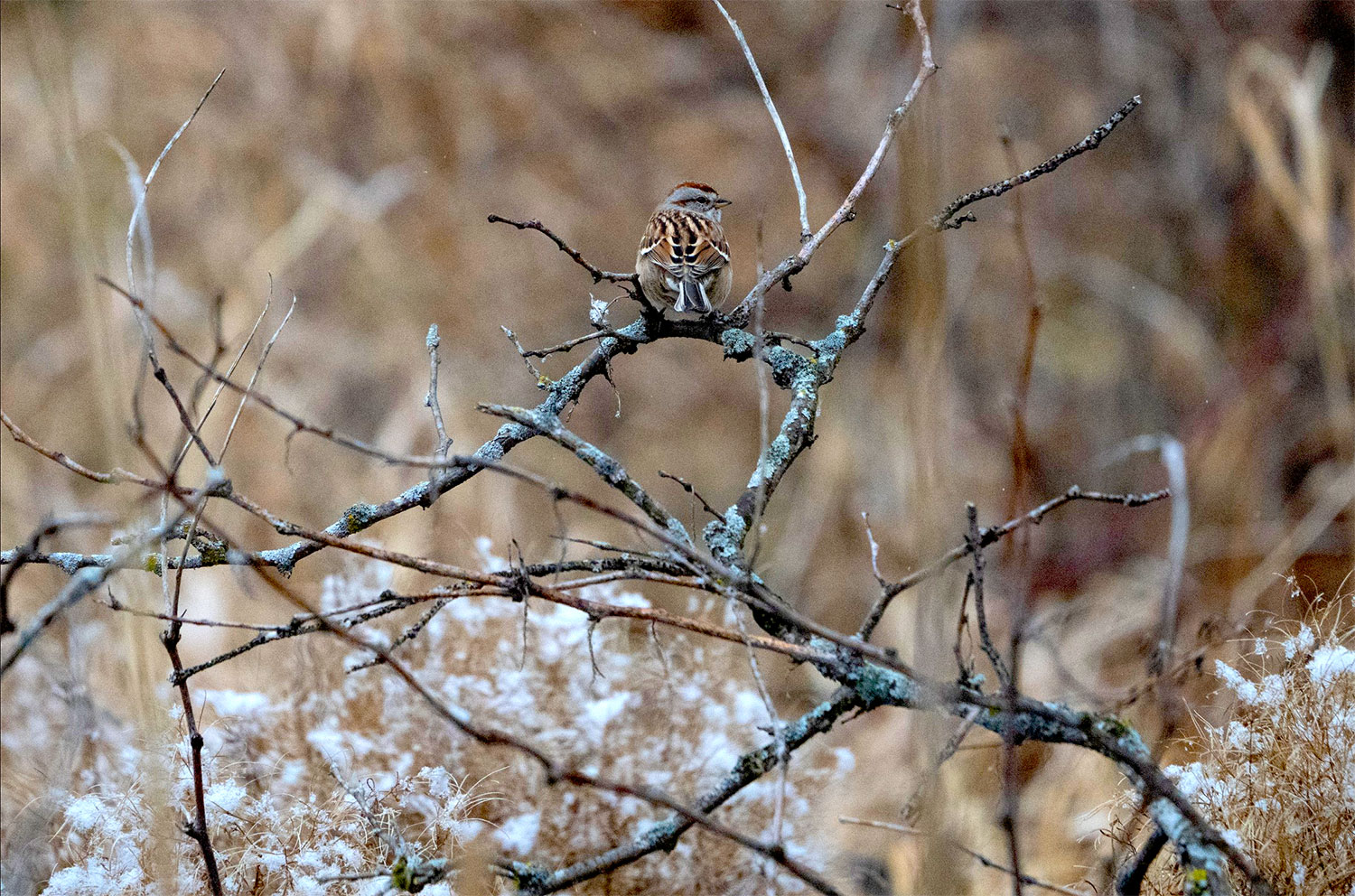
American Tree Sparrow
Recreation-wise, you’ll notice a lot less fanfare coming from the birding community during the fall. While spring migration is bright and loud, fall is muted in every way. Birds that pass through Milwaukee in the fall are muted, having shed their mating colors to help them blend in during nesting season. Since finding a mate isn’t on the mind, they’re a lot less chirpy, too. This combination makes it both harder to spot and identify birds. Warblers, which in the spring are unique and iconic, all begin to look the same with their muted feather coats. The development may bum some birders out, but when you’re traveling thousands of miles by wing, safety is more important than human stardom.
Though Milwaukee migration doesn’t drive excitement the way spring does, other areas of Wisconsin are home to one of the coolest fall migration rituals found anywhere in the world. Sandhill Cranes congregate in droves along the Wisconsin River before heading south to areas like Nebraska’s Platte River Basin. Thousands of cranes let their dinosaur-like calls cry out together as they coalesce in Wisconsin before leaving the state together. It’s a beautiful display of coming together as one, and there’s some irony to be found in that it happens during election month.
THE HUNTERS
Wisconsin’s clean-up crew also leaves us in the fall. Turkey Vultures, whose Wisconsin journey typically starts at the first thaw, head to areas where their eyes and nose don’t have to compete with layers of snow. Replacing them are hawks. Some, like Cooper’s and Red-tailed Hawks, have been with us year-round. Joining them are the arctic-dwelling Rough-legged Hawks and a smattering of other birds of prey.
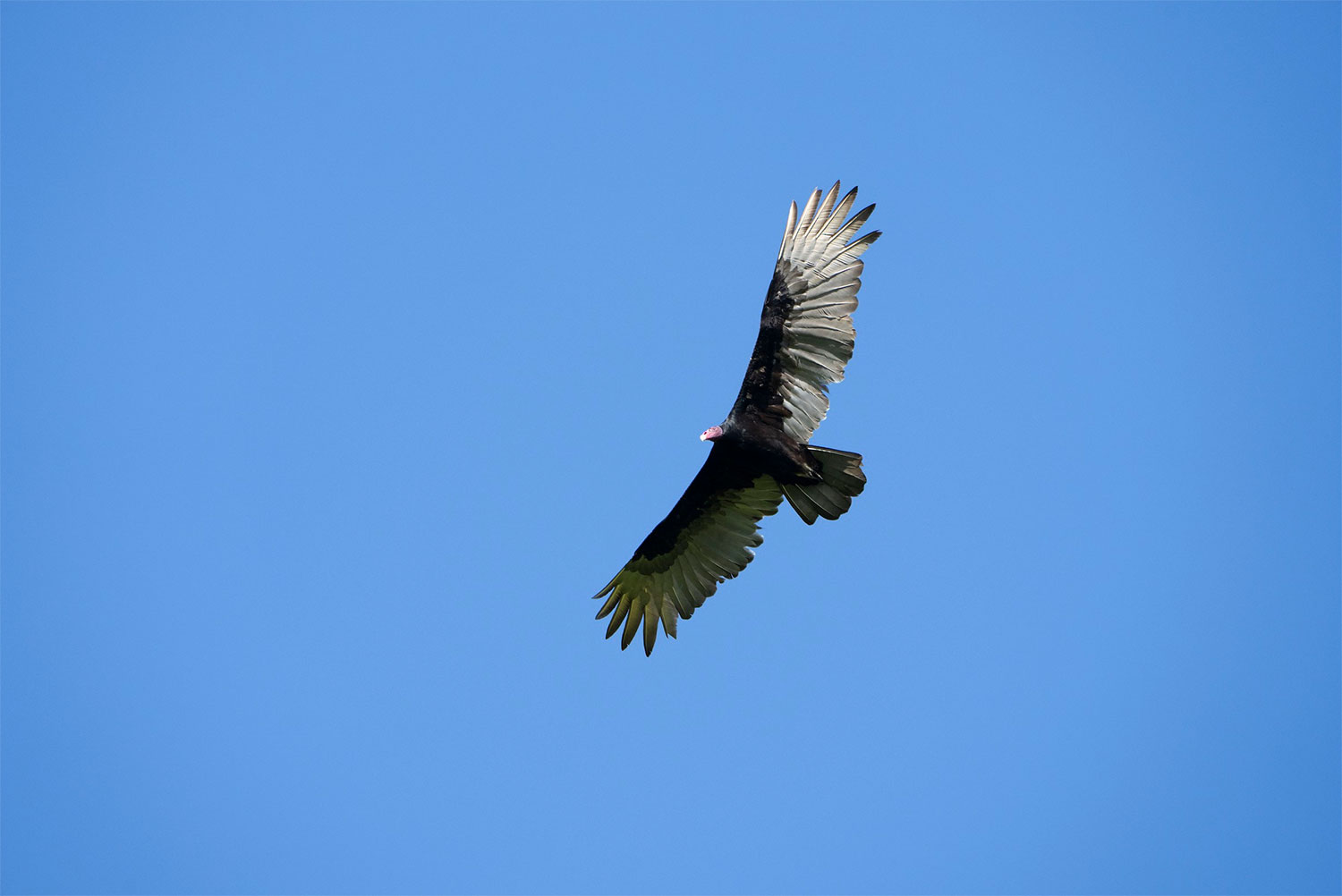
Turkey Vulture
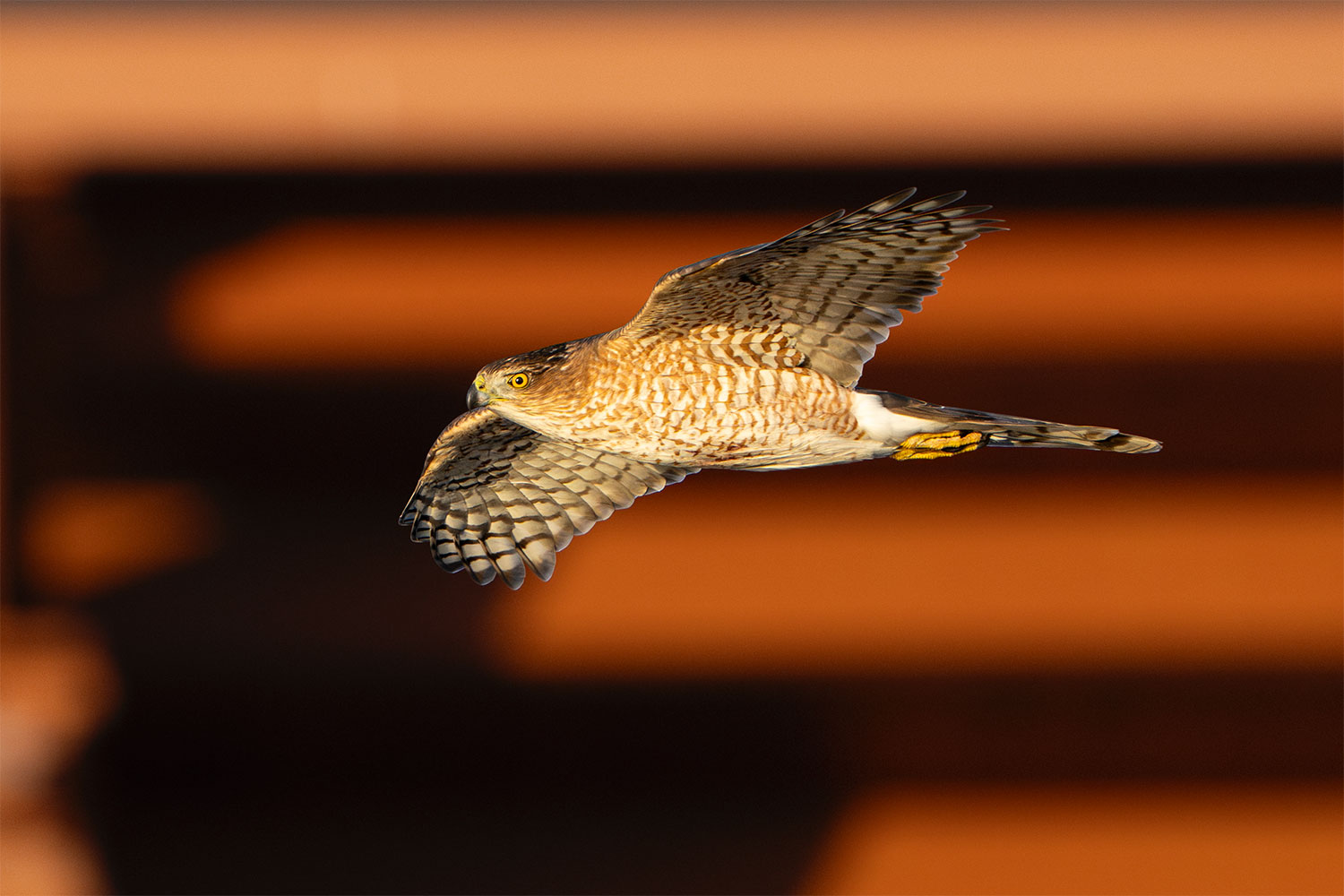
Cooper’s Hawk
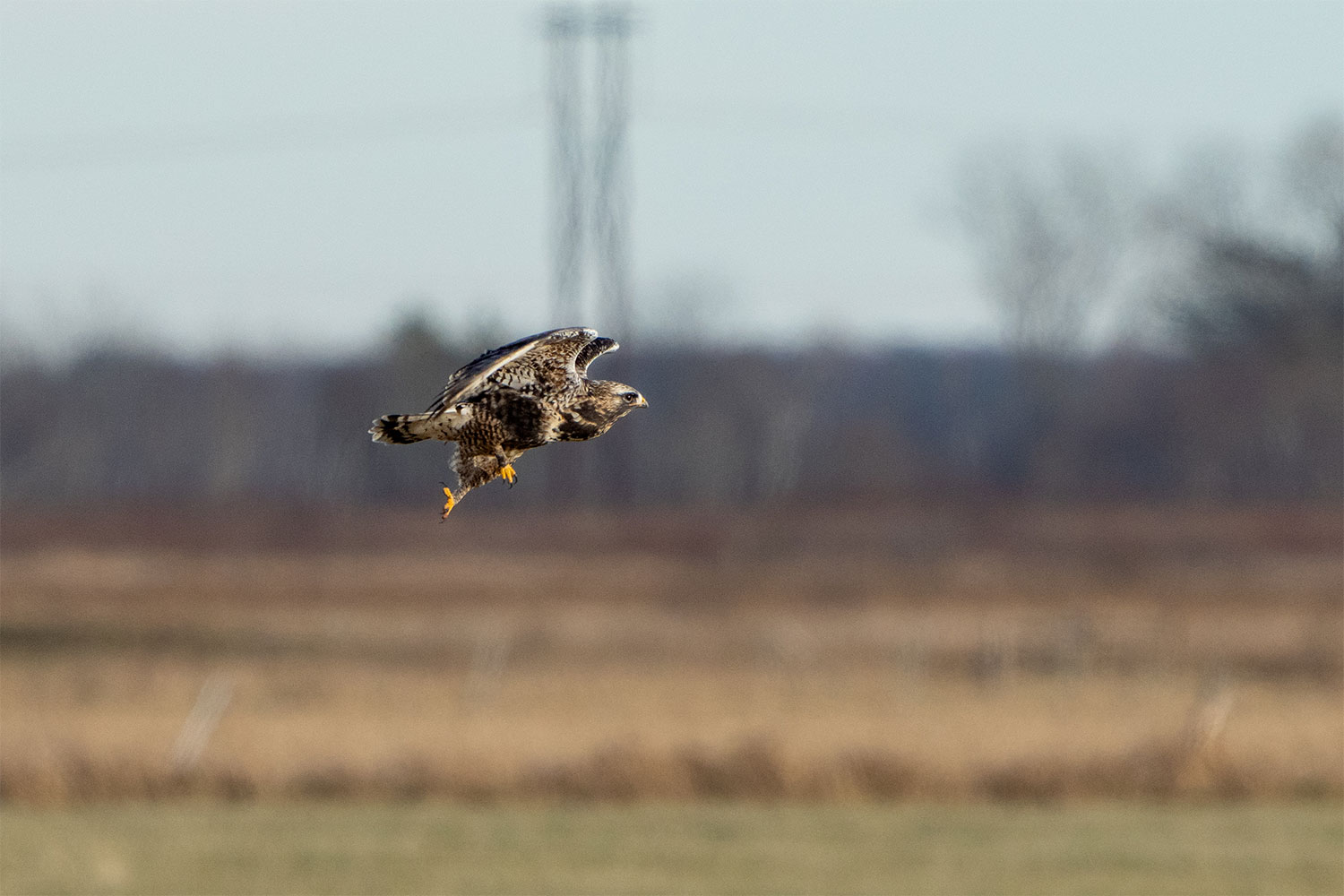
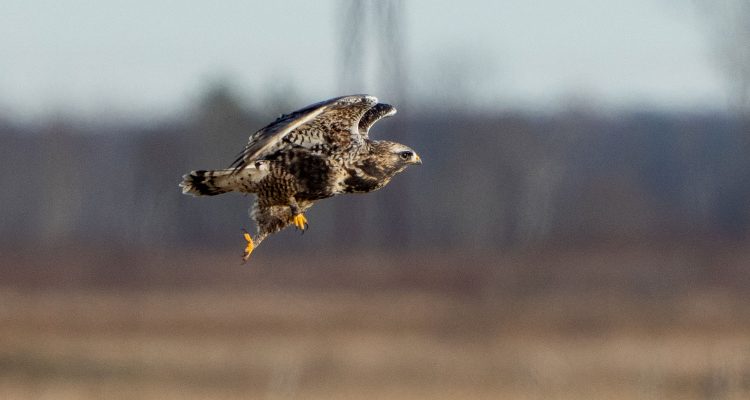
Rough-legged Hawk
One of the greatest birding joys of the season is driving an hour any which way out into the countryside or on Lake Michigan’s shoreline. Broad-winged and Sharp-shinned Hawks join the Rough-leggeds in surveying Wisconsin’s rabbit, vole, and mice populations. Owl sightings become more apparent as they begin their own mating rituals. Due to their nocturnal nature, owls’ mating and breeding seasons occur when the night is long.
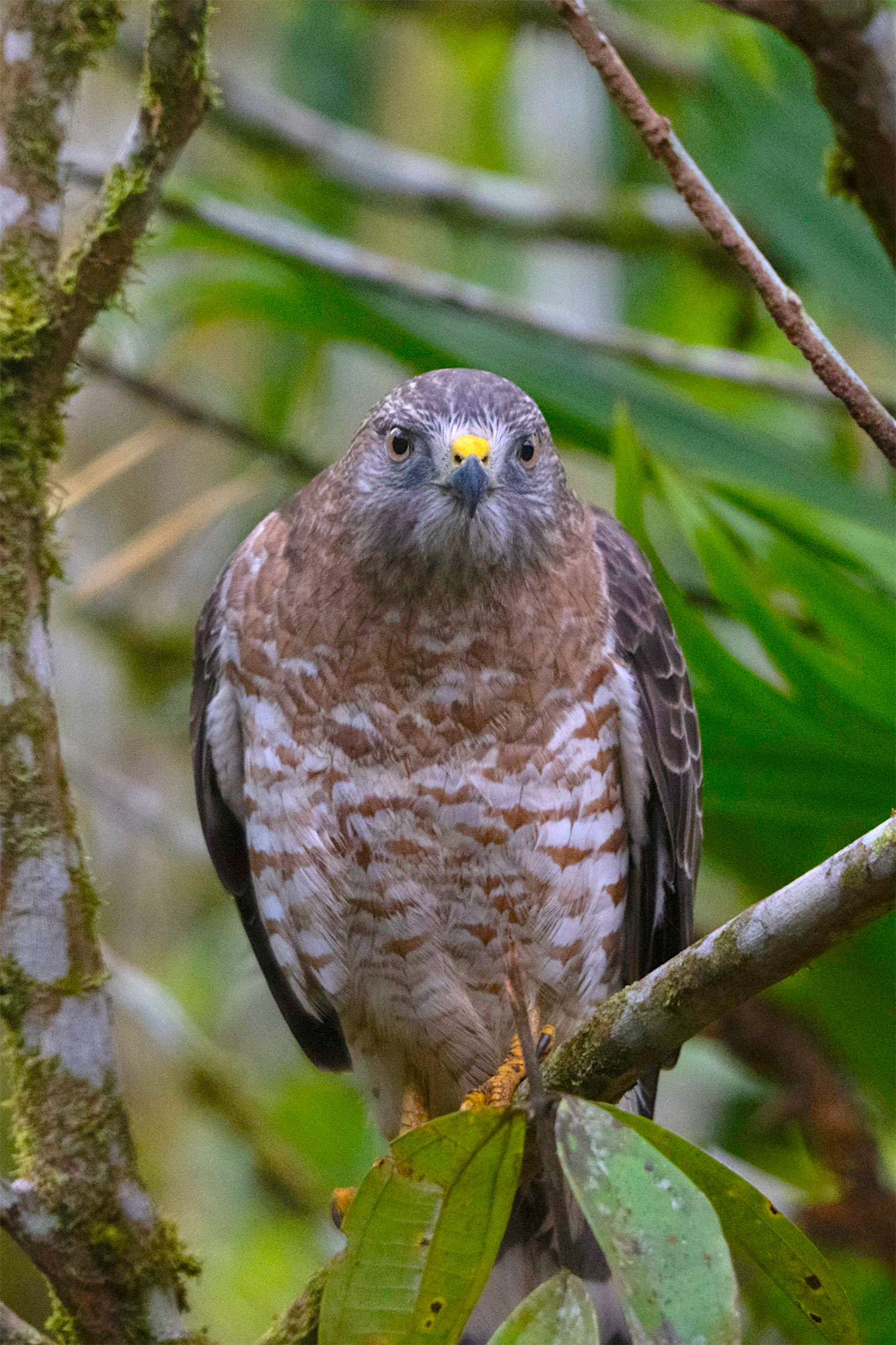
Broad-winged Hawk
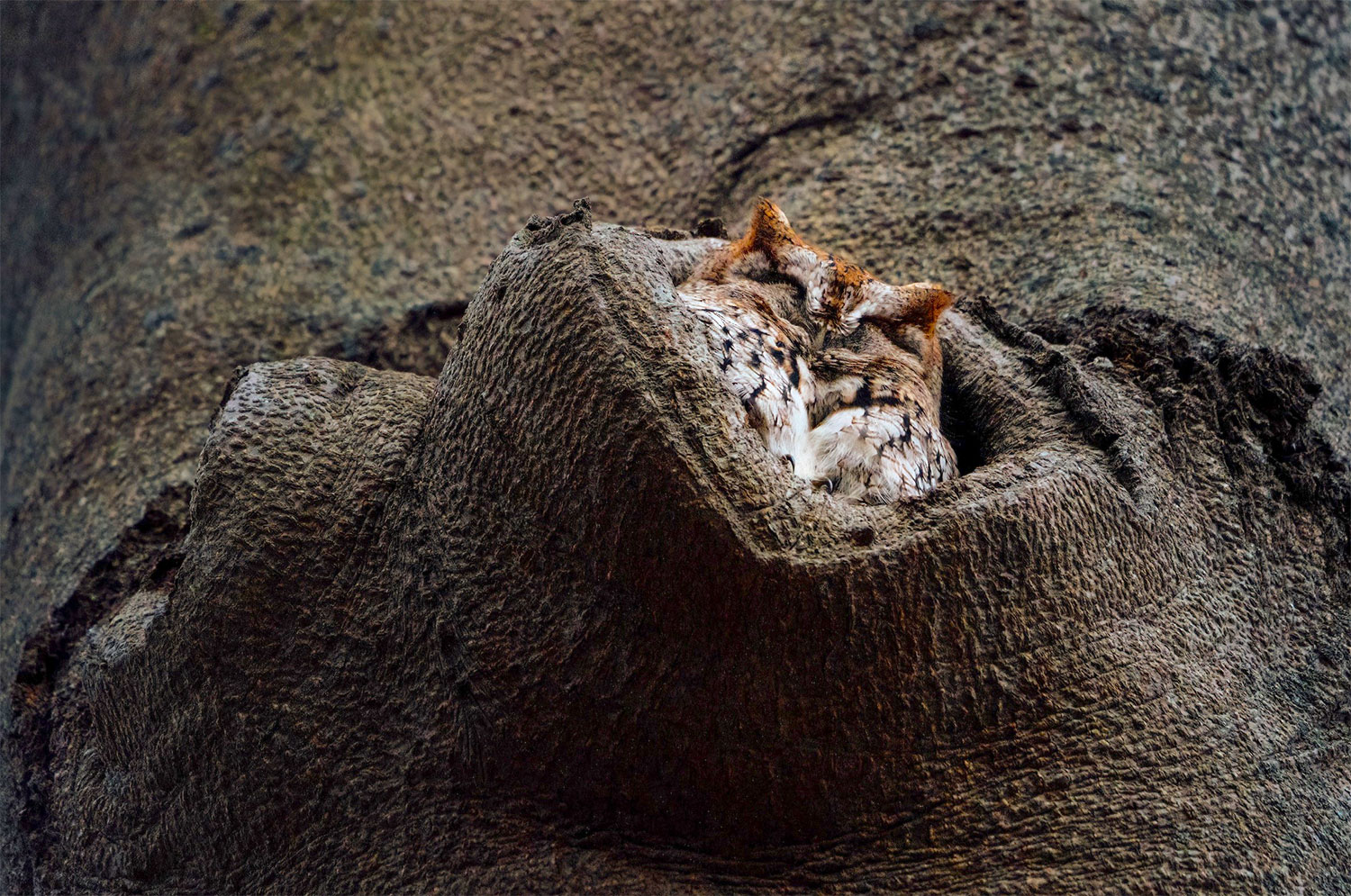
Eastern Screech Owl
You’ll notice temperatures begin to dip alongside the same time that a new bird appears at Milwaukee feeders. This bird is slightly shorter, but stockier than an American Robin. Its body is a charcoal black. Its belly, white as snow. The bird in question is a Dark-eyed Junco, though they have a much more flamboyant designation in the birder community. Simply put, they are known as the harbinger of winter. It’s a little too grim reaper for my tastes. I’ve always found them to be cute, a little shy, and not one bit ghosty. Regardless, with their fall arrival comes cold weather… and Packers football… and apple picking… and costumed clothes and pumpkin carving with family and friends.
Let’s face it. The Dark-eyed Junco is really the harbinger of good times outside. Cold times, but good times.
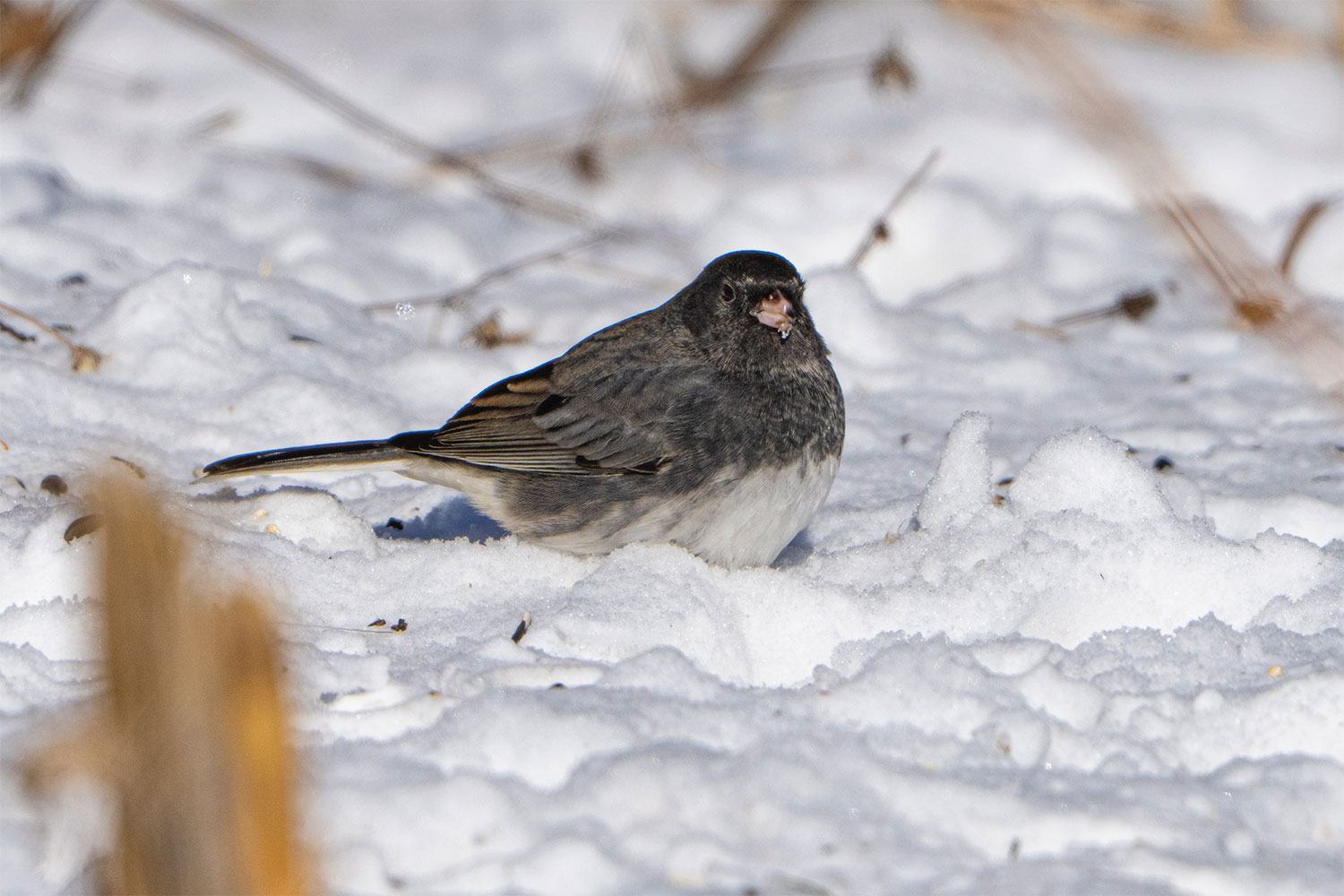
Dark-eyed Junco
Want more Milwaukee Record? Subscribe to our free weekly newsletter and/or support us on Patreon.
RELATED ARTICLES
• Changing of the Feathers: Summer is for subtlety