
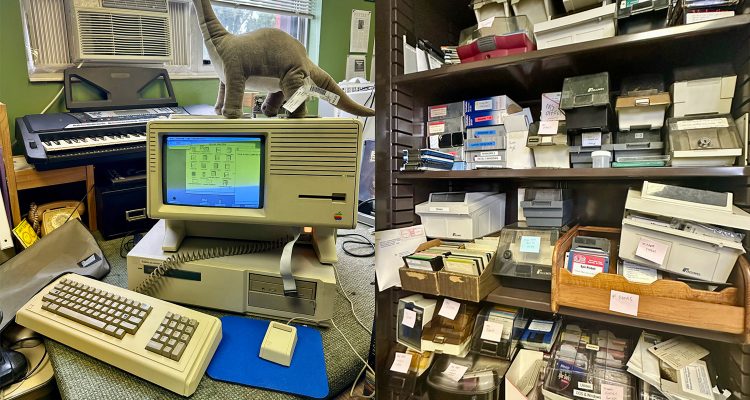
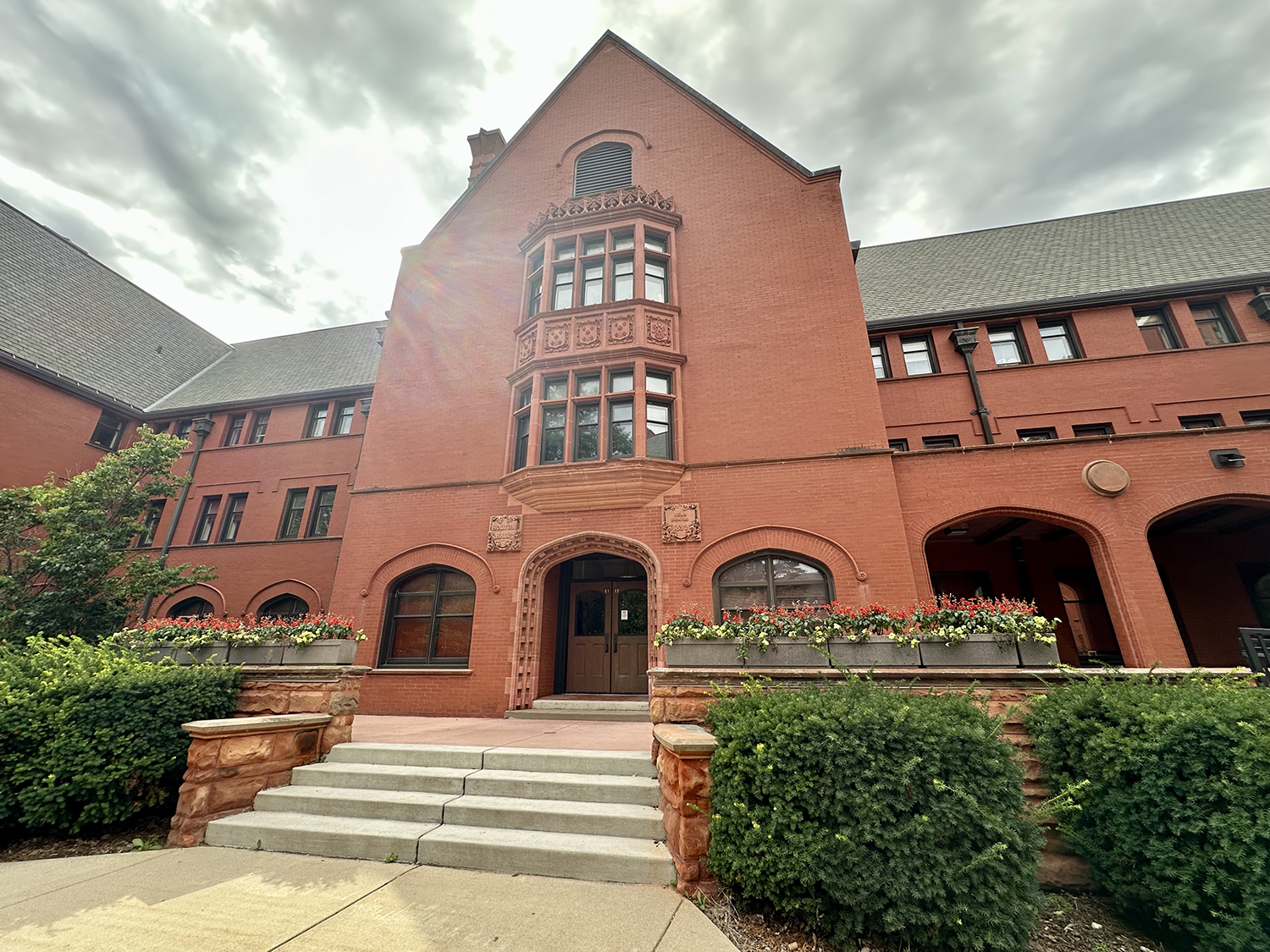
Tucked away in a small room on the fourth floor of Holton Hall on the campus of the University of Wisconsin-Milwaukee is a time machine. Several time machines, actually. And all of them lead to separate points in the not-so-distant past.
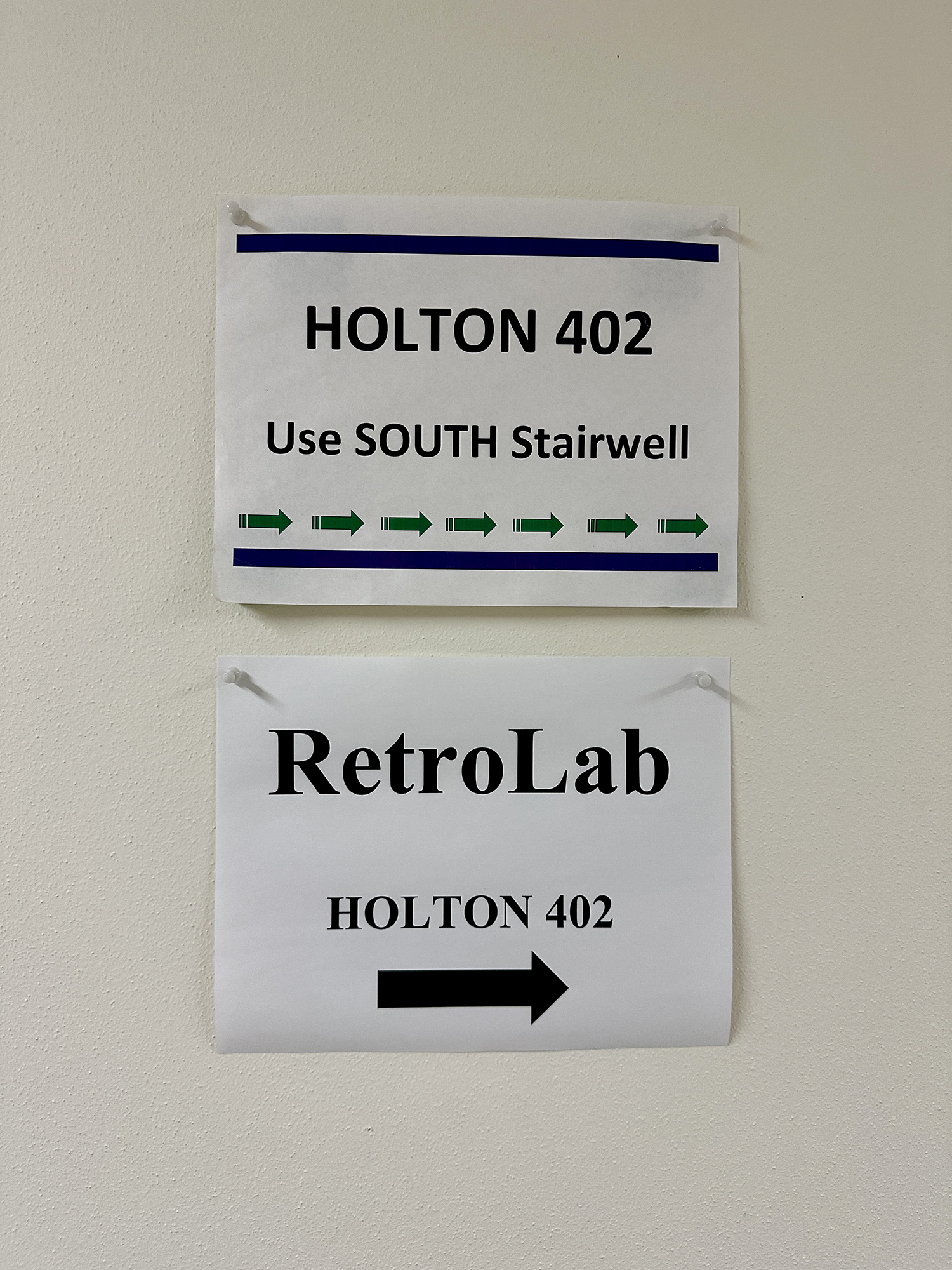
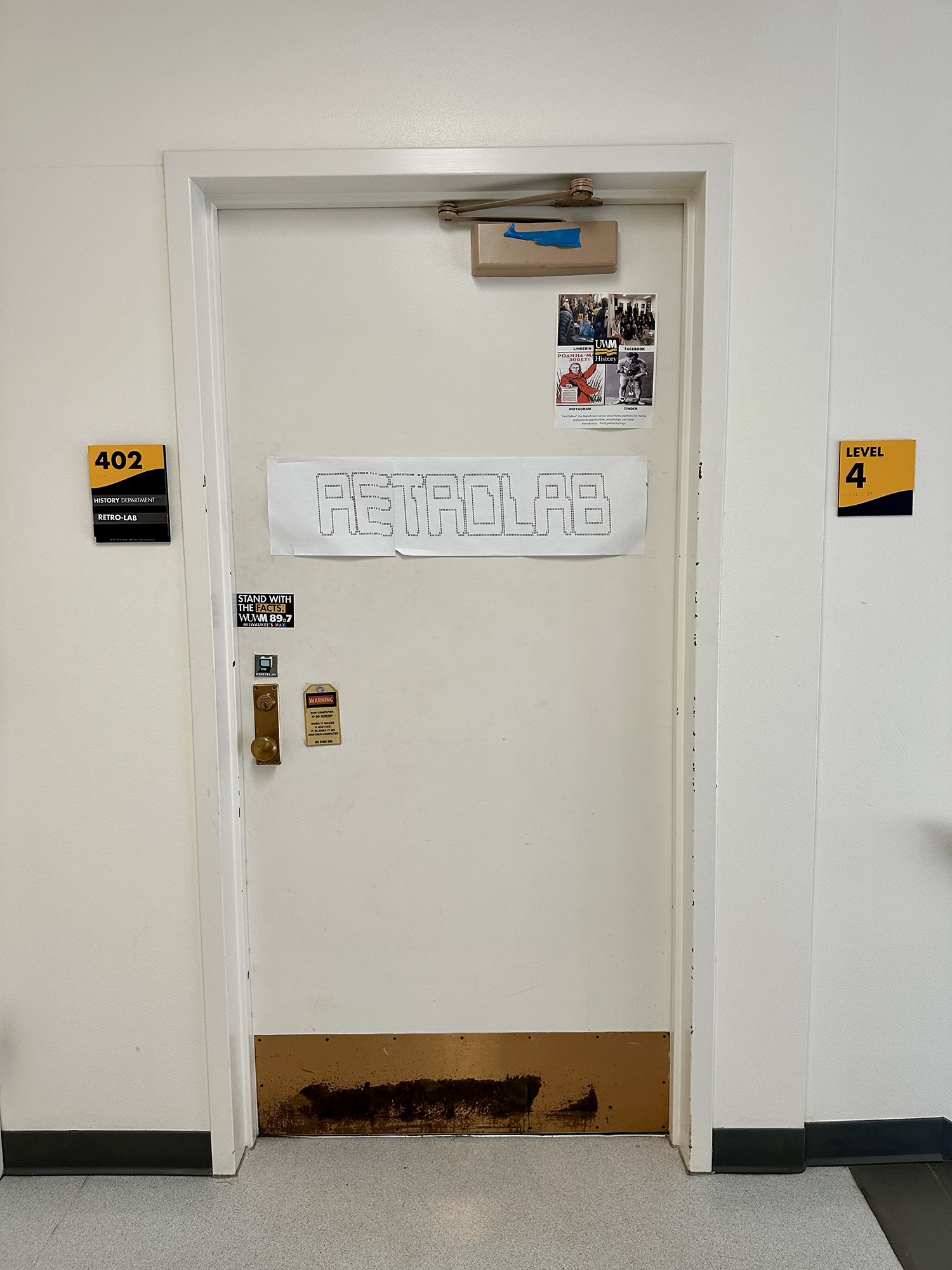
Take the elevator to the third floor and look for the signs. Follow the signs and take the staircase—no, not that staircase, the other staircase—and you’ll come upon a single door. You’ve arrived at the UWM History Department’s Retrocomputing Lab. You’ll know you’re in the right place because you’ll see a bunch of old computer stuff sitting outside the door, and because the sign affixed to the door is straight out of a dot matrix printer from the 1980s.
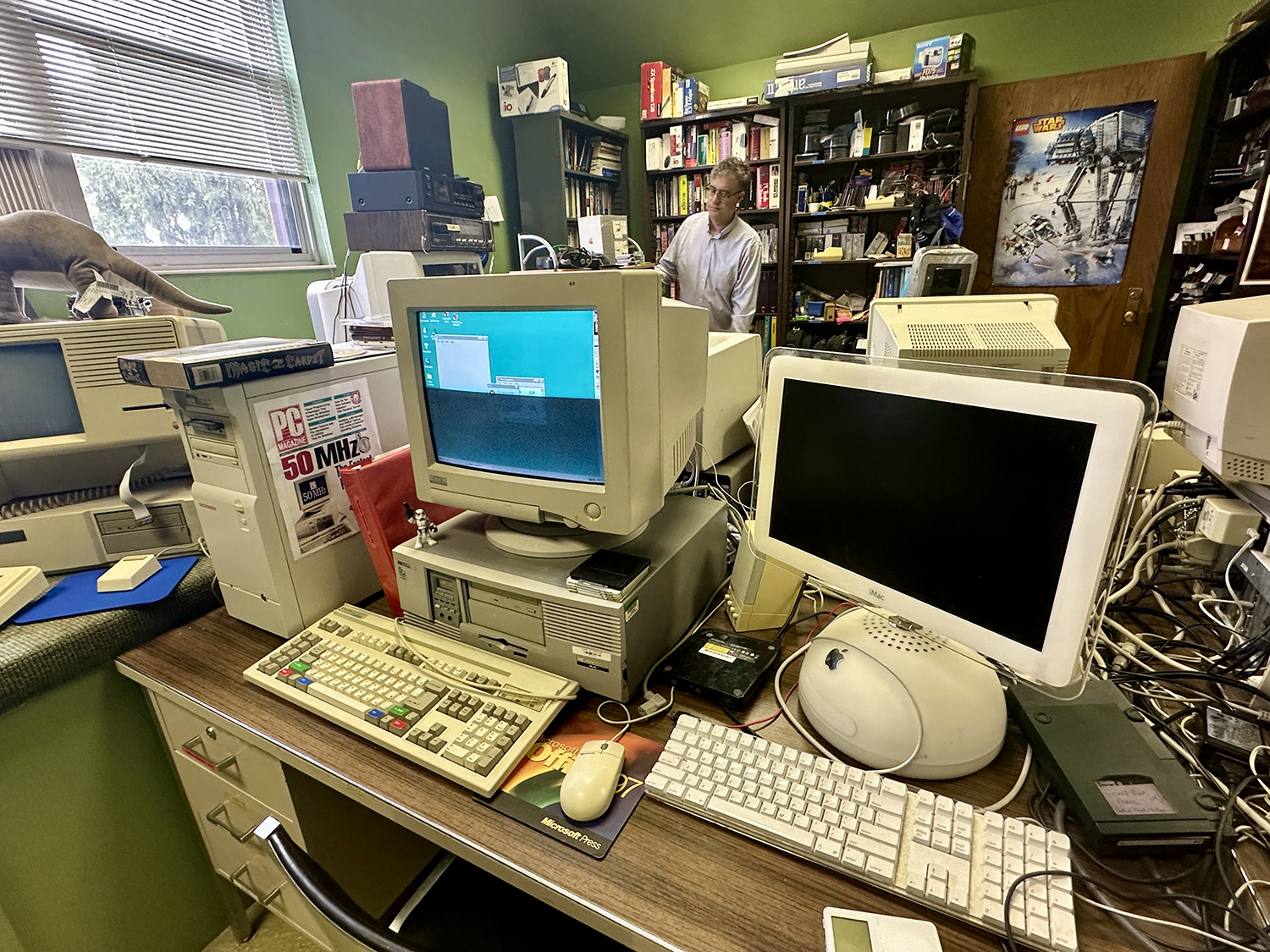
Inside is where you’ll find those time machines. They come in the forms of dozens upon dozens of vintage computer systems. These systems have been beamed in from the ’70s, ’80s, ’90s, and even the ’00s. Commodore 64s. Apple IIs. Big beige PCs perfect for DOOM. Color-coded iMacs that continue to think different.
Everything is fully functional—everything in pristine condition—and everything will be fully accessible when the Retrolab opens its doors to the public on Saturday, September 26, from 10 a.m. – 5 p.m. The open house is part of this year’s Doors Open Milwaukee, September 26 and 27.
10 PRINT “Check this place out:”
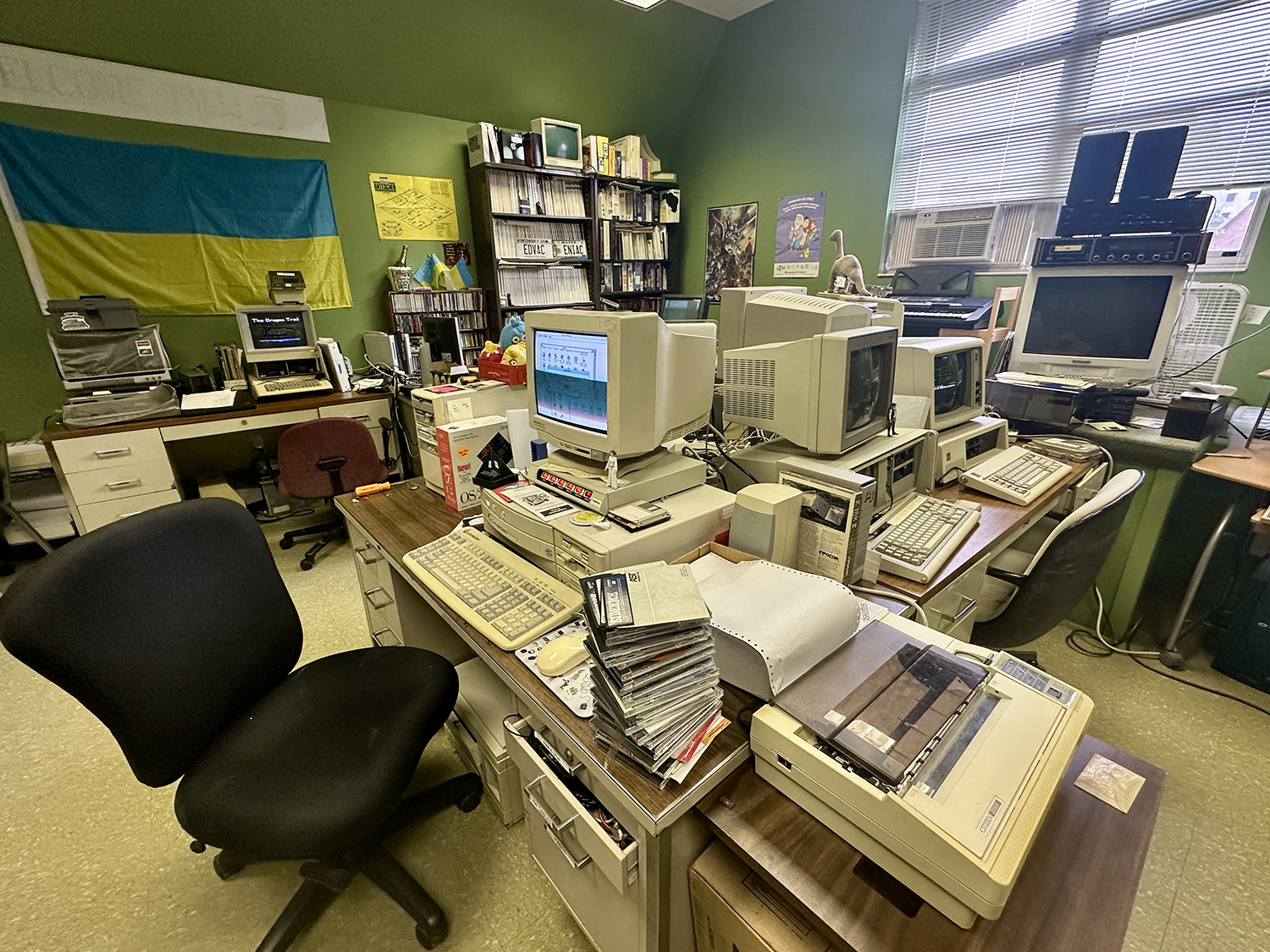
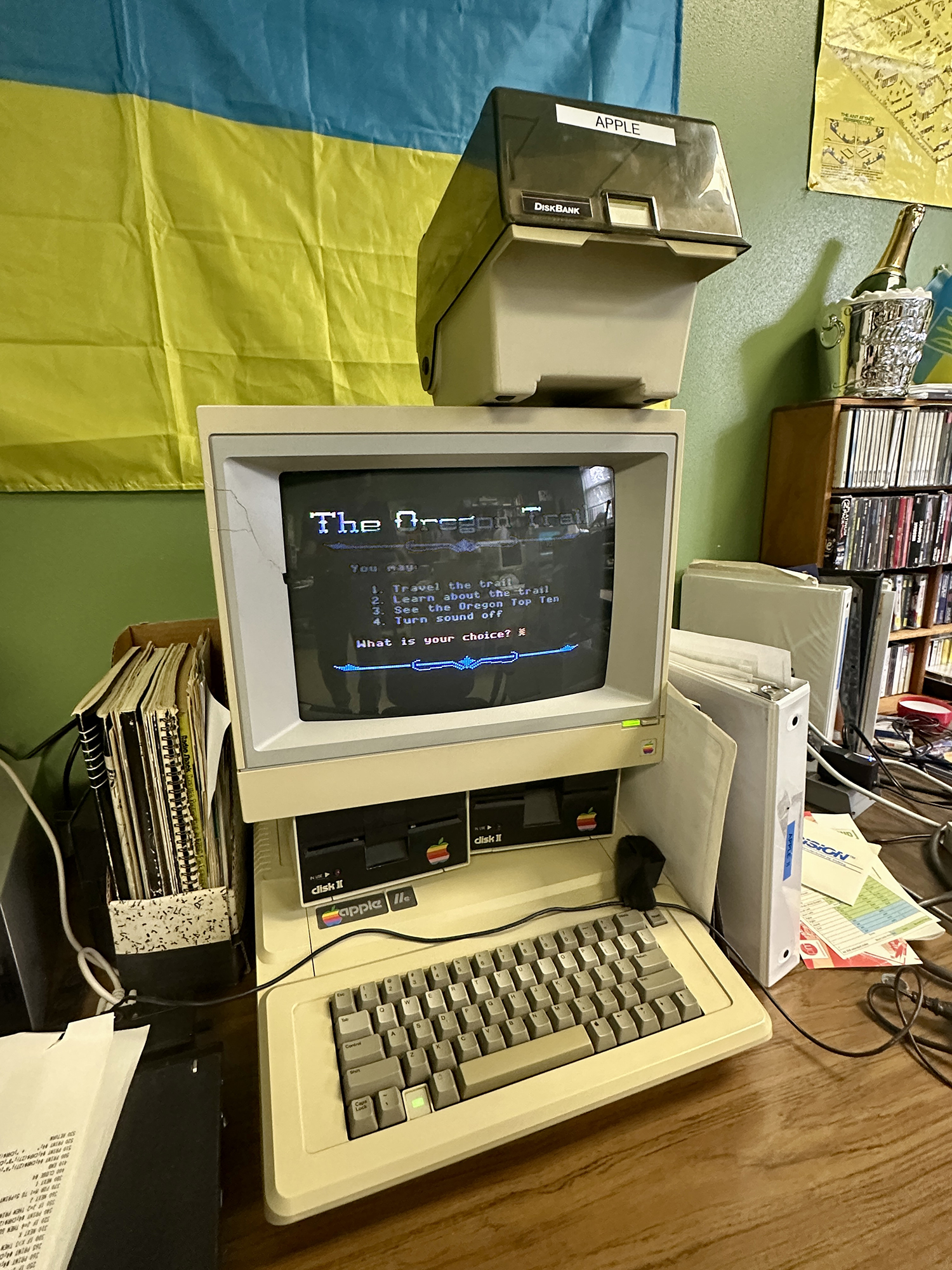
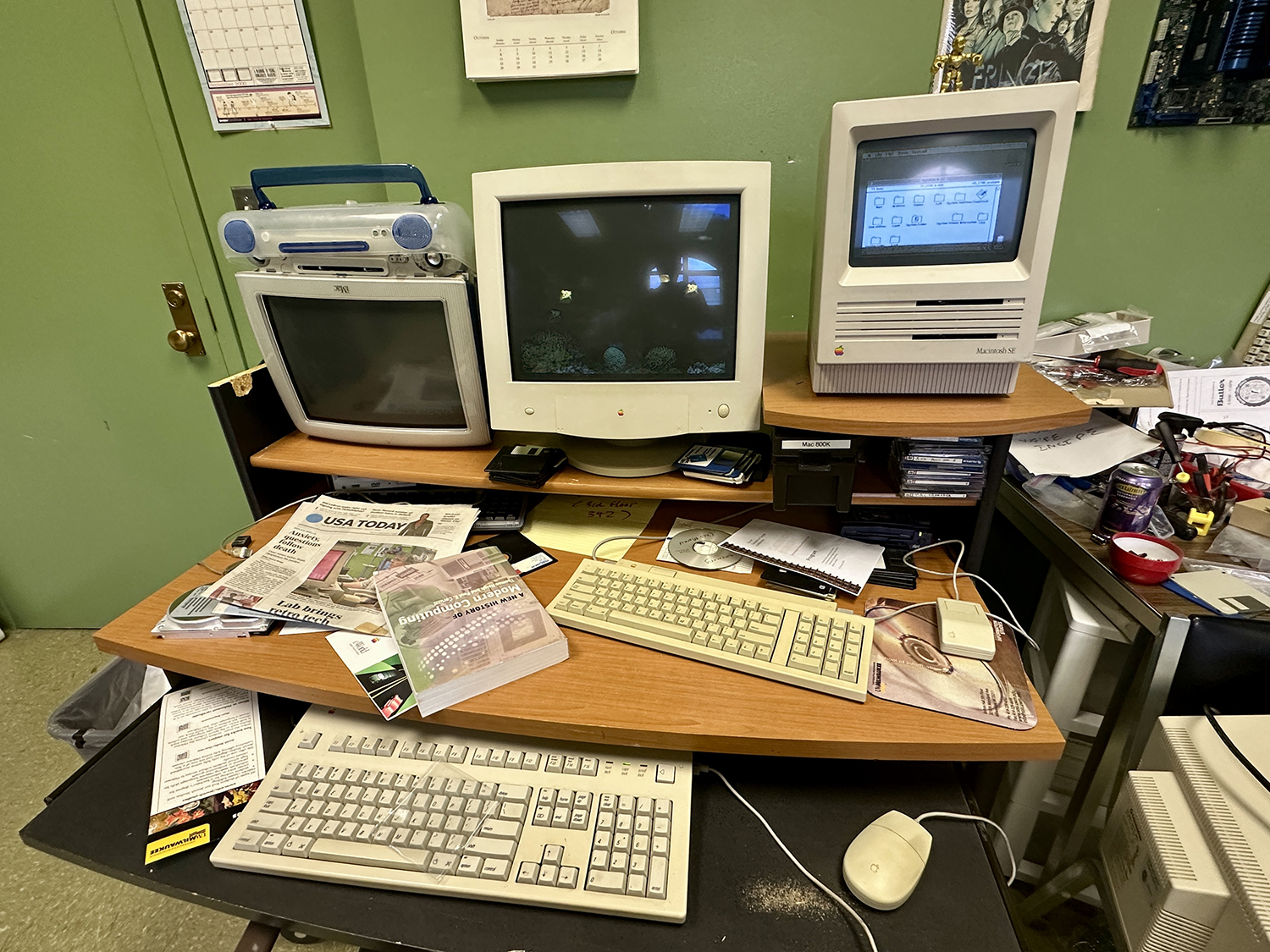
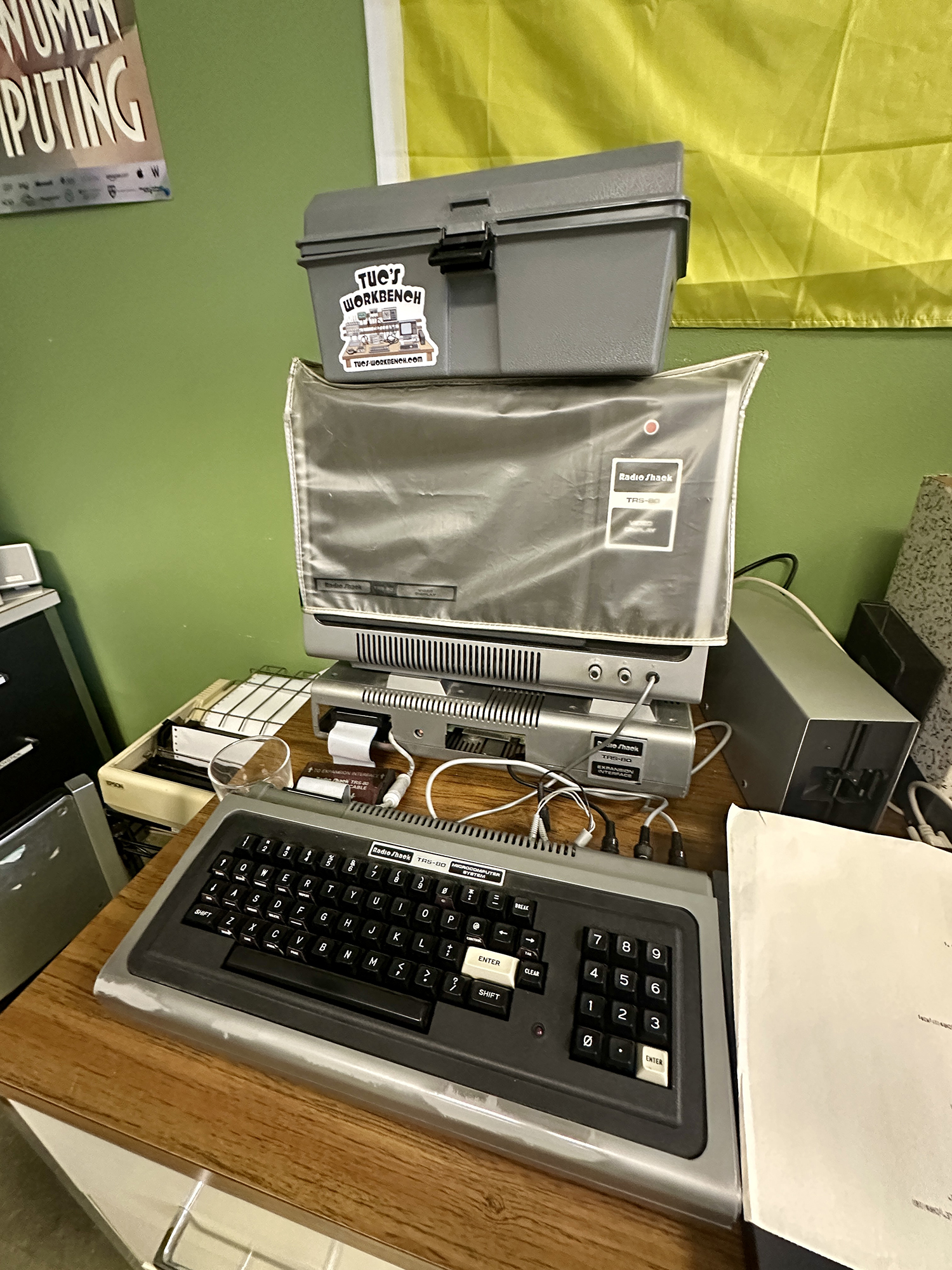
The vintage computers—and vintage monitors, vintage printers, vintage software boxes, vintage computer magazines—weren’t just beamed into Holton Hall, of course. The Retrolab is the work of UWM history professor Thomas Haigh. The co-author of several books on the history of computing, Haigh created the Retrolab several years ago to give his Computer Science students tangible, working links to computer history.
“I knew that if students just read about something, like the difference between Apple Macintosh and an IBM PC, none of it would mean much to them,” Haigh says. “I set up the lab so they’d be able to come in and use some of the machines we were talking about, and have a hands-on, experiential experience in class.”
That tactile experience goes far beyond playing Minesweeper and mucking around in Myst. Haigh’s students use the Retrolab for a number of hands-on projects. One student produced a two-page layout using early desktop publishing program Aldus PageMaker for Windows 3.1. Another created a spreadsheet with OG spreadsheet program VisiCalc for the Apple II. A graduate student writing their thesis on the history of survival horror games utilized the Retrolab, too.
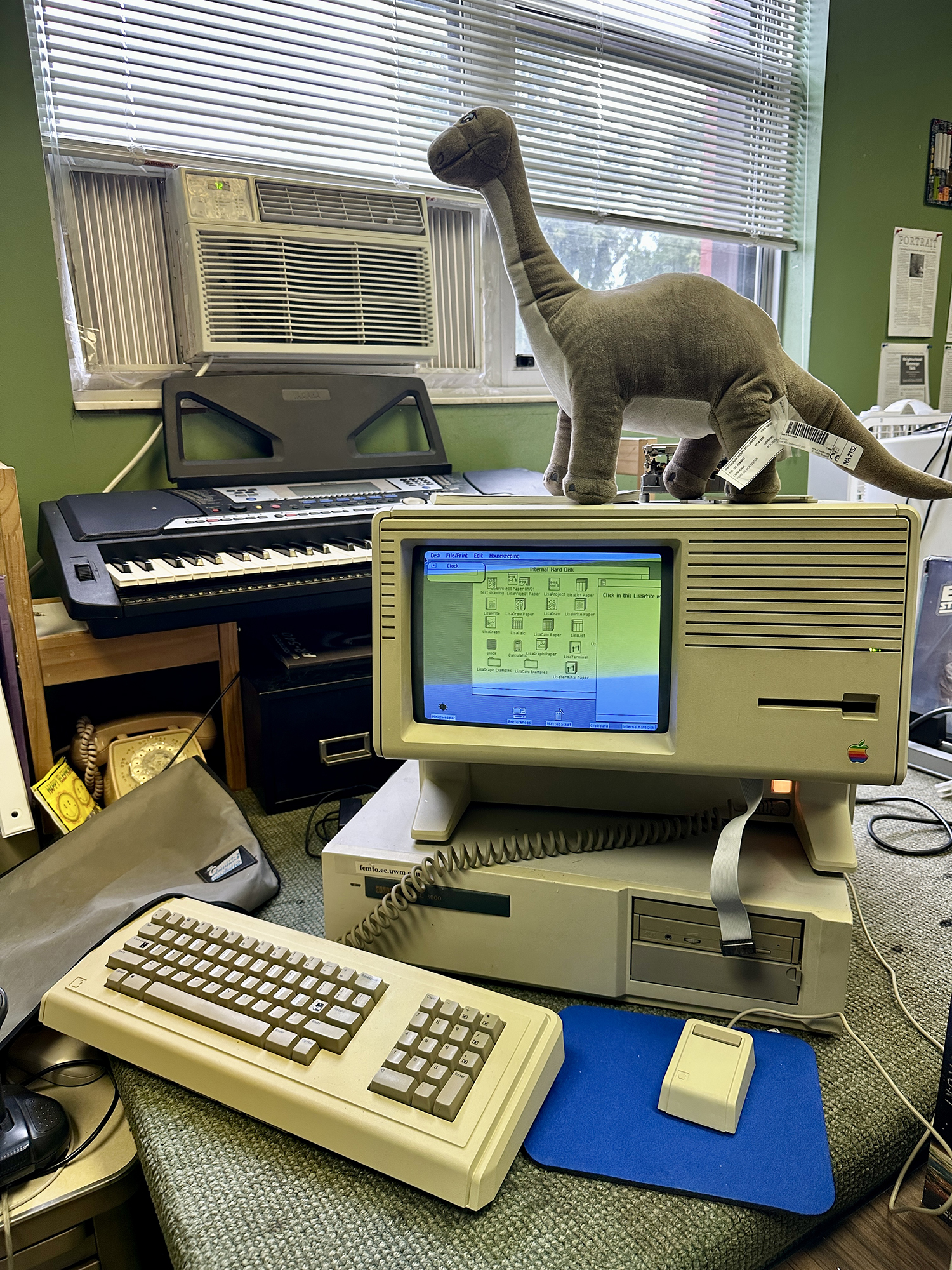
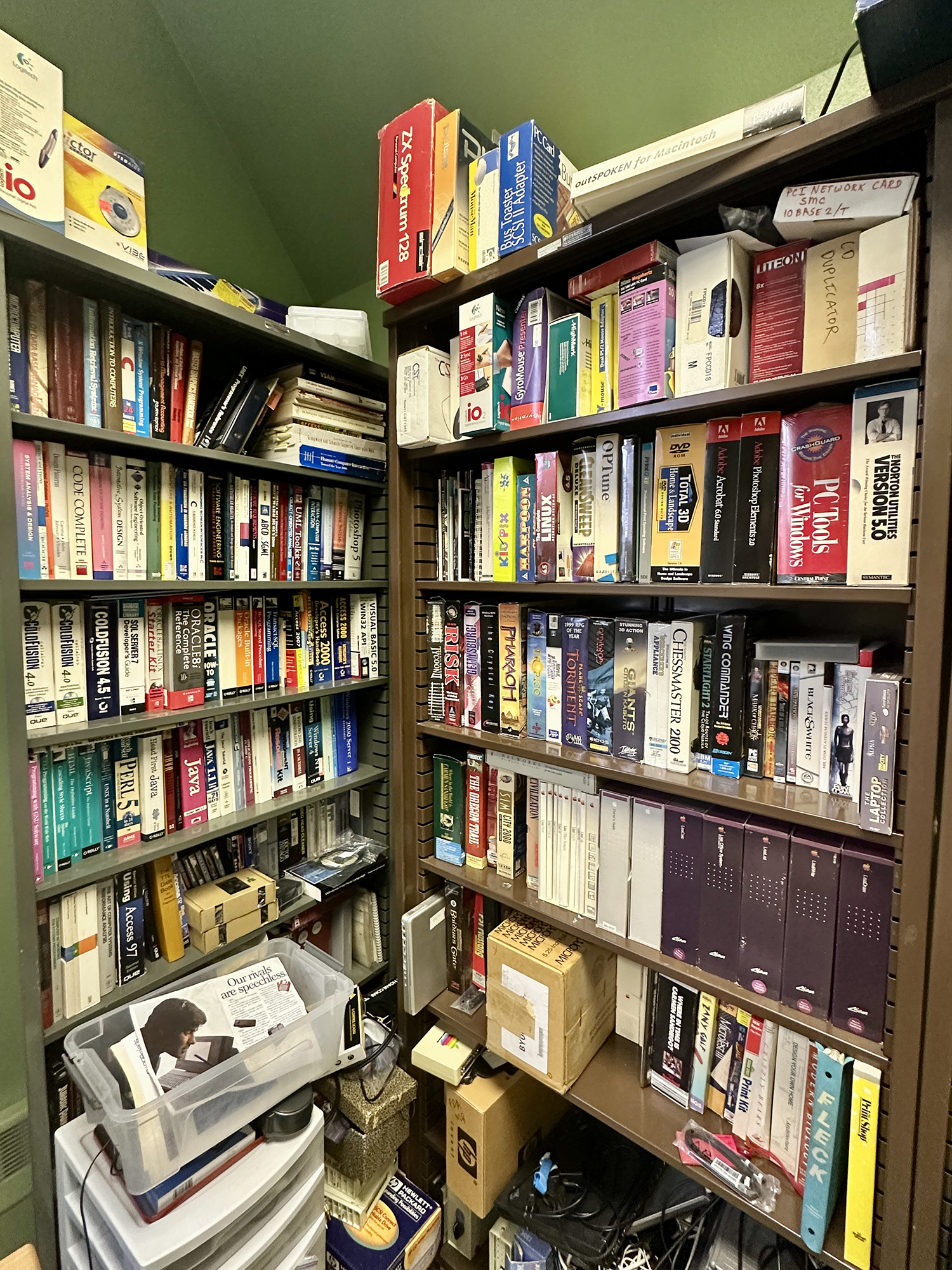
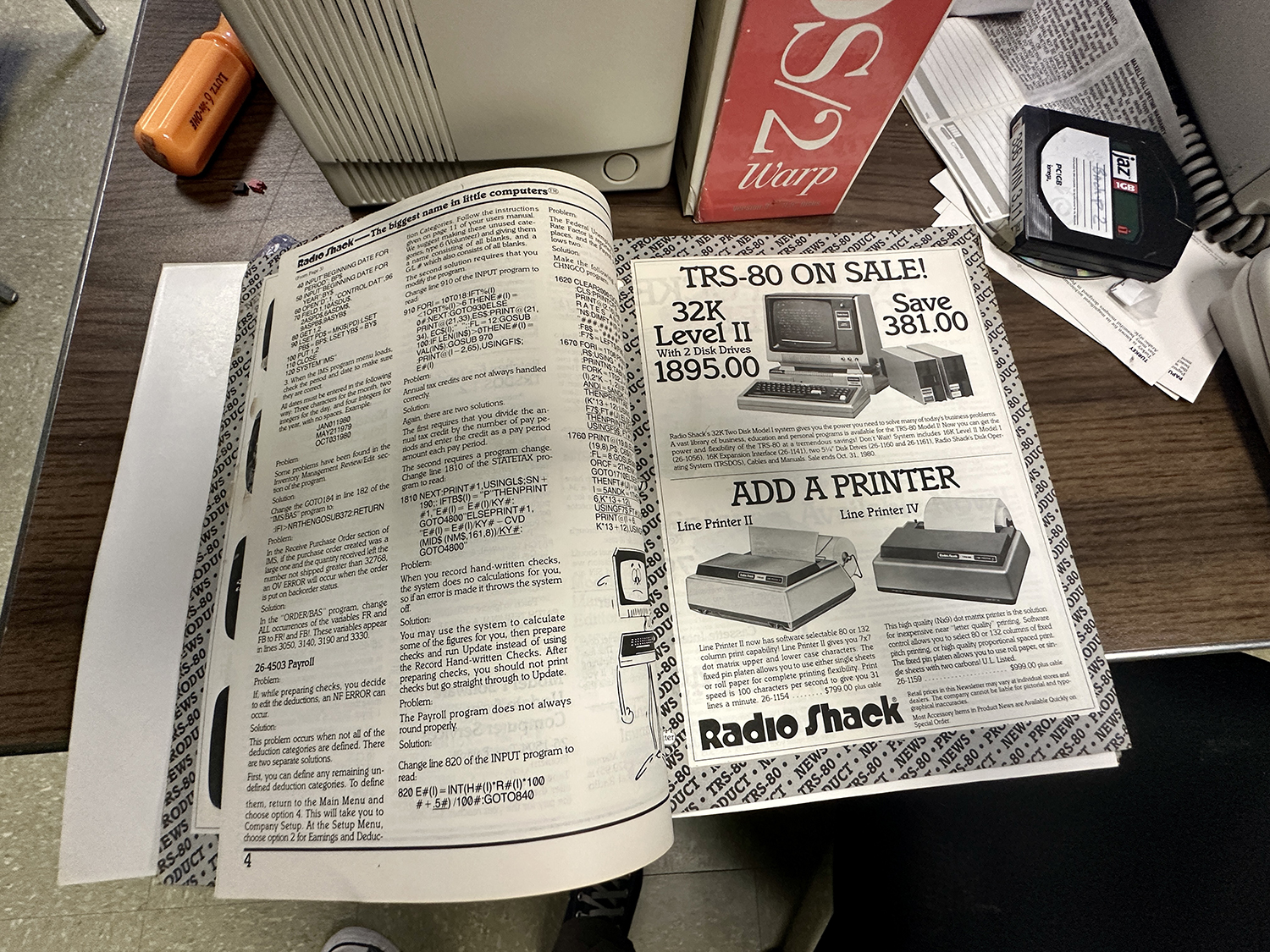
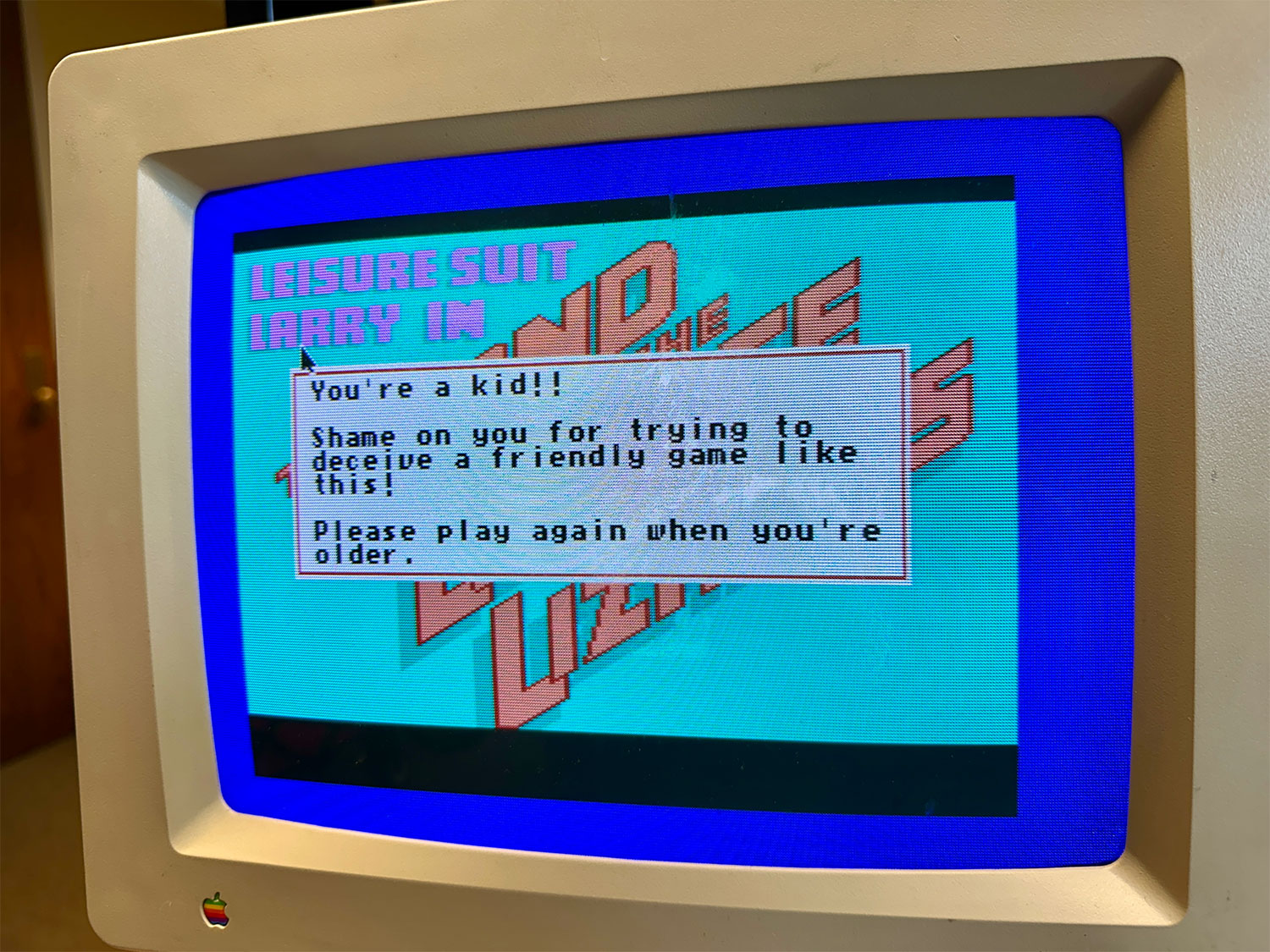
Haigh’s collection of vintage gear has only grown as word has spread about about the Retrolab—and all of it will be on display for Doors Open. The public is invited to sit down and experience the Retrolab’s many wonders for themselves. Haigh will boot up classic games like Oregon Trail, DOOM, and—if you can pass its cheeky ’80s-era age verification quiz—Leisure Suit Larry. A second room, this one located in the basement of Holton Hall (no, the other staircase), will feature a mix of computers and playable retro video game systems like the SNES and the Atari 2600.
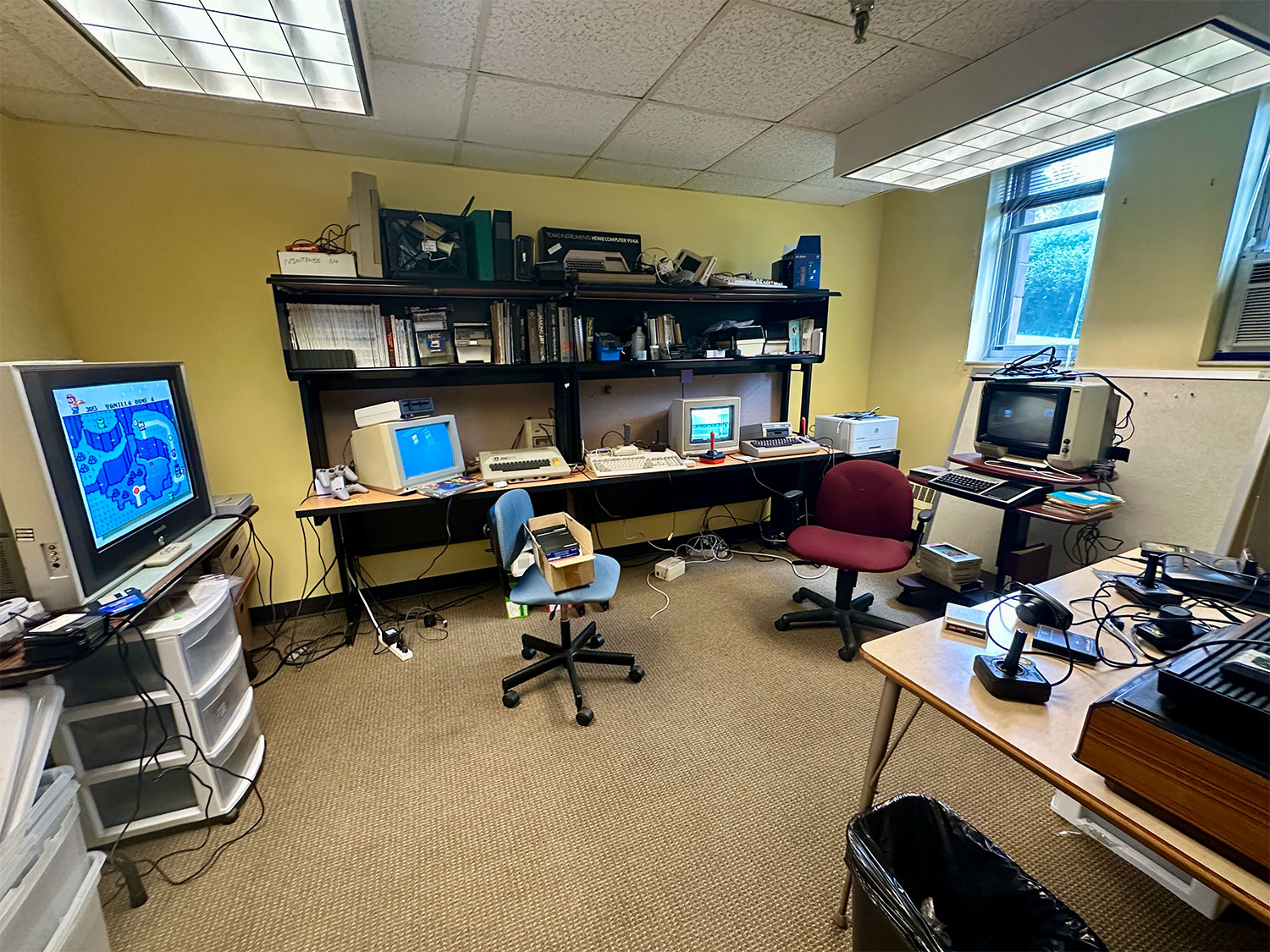
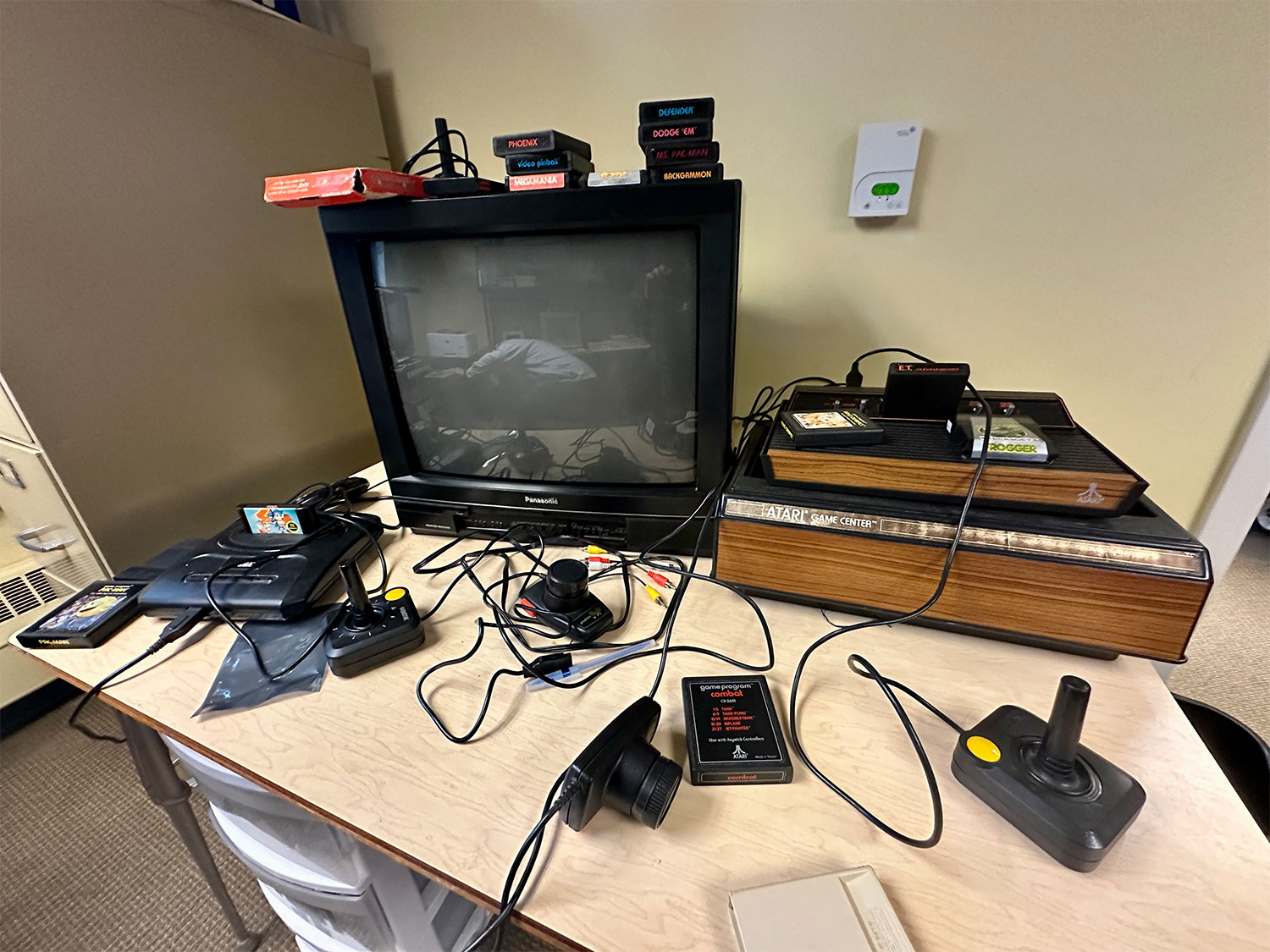
Whether it’s being used by students or by curious Doors Open folks, the Retrolab shines in its functionality. It’s the closest thing to actually traveling back to a time when 64 KB of memory was an unheard-of luxury.
“A museum will typically want weird, obscure, one-of-a-kind things, and collectors are always looking for obscure things, too” Haigh says. “This is about common computers and how the technology was actually used.”
Doors Open Milwaukee will take place September 26 and 27 throughout the city. Find a list of nearly 200 participating sites HERE.
Want more Milwaukee Record? Subscribe to our free weekly newsletter and/or support us on Patreon.
RELATED ARTICLES
• Here are the 194 places you can explore at Doors Open Milwaukee 2026, and that’s it